October 29, 2025 · Texas Autopsy Services
What a Toxicology Report Shows A Forensic Pathologist's Guide
what does a toxicology report show: a concise guide on reading results after an autopsy and its role in death investigations.

On this page
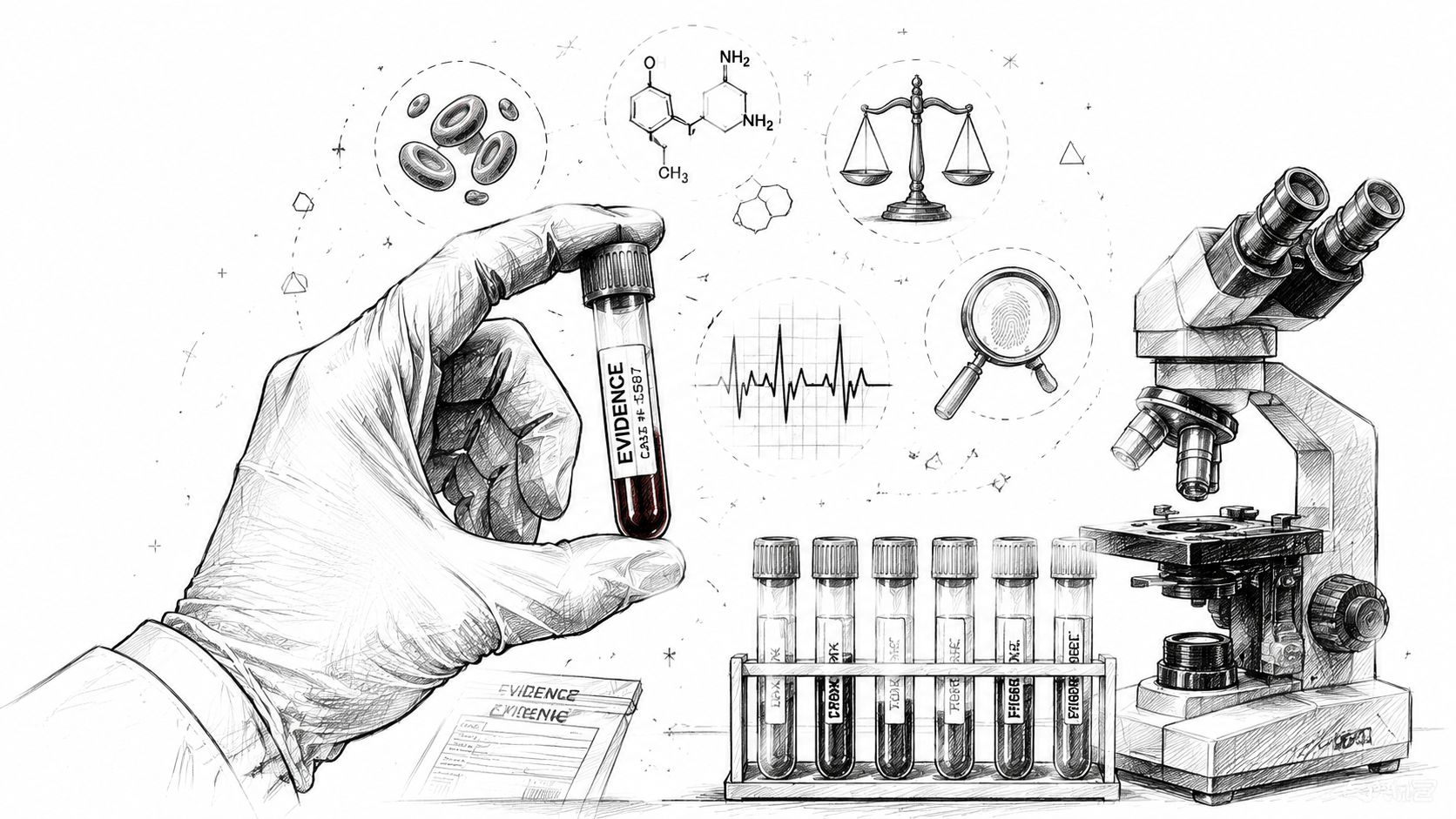
When a family loses someone unexpectedly, the most urgent question is always, "Why?" As a forensic pathologist, my work is to provide clear, scientific answers. A toxicology report is a critical tool in that process, identifying and measuring any prescription medications, illicit drugs, alcohol, or other chemicals present in the body at the time of death.
It isn't just about finding out what was in a person's system, but more importantly, how much.
- A toxicology report identifies and quantifies substances in the body, such as medications, alcohol, and chemicals.
- As a board-certified forensic pathologist, I use these findings to help determine an accurate cause of death.
- The process involves precise laboratory analysis, including screening and confirmatory tests like mass spectrometry.
- Interpreting the results requires medical context, not just raw numbers, to distinguish between therapeutic, toxic, and lethal levels.
- In a private autopsy, toxicology provides objective evidence for families and legal professionals seeking definitive answers.
What a Toxicology Report Reveals in an Investigation
I view the toxicology report as an essential piece of the investigative puzzle. It helps me build a complete, objective picture of what was happening physiologically in the hours and days before a person died. This analysis is far more than a simple drug screen; it's a fundamental part of a thorough cause of death investigation.
The report’s primary purpose is to determine if any substance, or combination of substances, contributed to or directly caused the death.
This process involves three key steps:
- Identification: The report lists every substance found in the samples, from a daily heart medication to an environmental toxin.
- Quantification: It then measures the exact concentration of each substance. This is where context is critical. A therapeutic level of a pain medication is worlds away from a toxic or lethal dose.
- Interpretation: Finally, I integrate these findings with the physical evidence from the autopsy and the person’s medical history. This is how I arrive at a medically sound conclusion.
The Scope of a Toxicology Analysis
A comprehensive toxicology screen casts a wide net. It can detect everything from prescribed medications and illicit drugs to common substances like alcohol and even environmental toxins that may accumulate in the body over time.
This type of objective data is essential in many situations. For instance, it's a required part of investigations like DOT post-accident drug testing, where determining impairment is crucial.
A toxicology report tells me two things: what chemicals, drugs, or toxins were in the body, and at what concentration. This detailed analysis is vital for understanding everything from an acute overdose to the effects of long-term exposure.
Sometimes, the source of these chemicals can be unexpected. Many substances from our air, water, and food can create a low-level toxic burden that affects health without our knowledge. Good toxicology testing is sensitive enough to detect these exposures, providing important data for both medical and forensic cases.
For a deeper look into the science of how we analyze these substances, you can read my guide on what is forensic toxicology. Ultimately, these findings give families and legal professionals the objective facts they need to understand the true circumstances surrounding a death.
A toxicology report can seem complex, but its structure is logical. Here’s a breakdown of the standard sections you will find.
Key Components of a Standard Toxicology Report
| Component | What It Shows | Why It Matters |
|---|---|---|
| Case Information | Includes the decedent’s name, case number, and date of collection. | This ensures the report is tied to the correct individual and investigation, preventing mix-ups. |
| Specimens Analyzed | Lists the types of biological samples tested (e.g., blood, urine, liver tissue). | Different substances are best detected in different tissues, so this tells me how thorough the testing was. |
| Analytical Methods | Describes the scientific techniques used, like immunoassay screening or mass spectrometry. | This confirms the laboratory used reliable, scientifically validated methods for its results. |
| Detected Substances | Names every drug, chemical, or toxin found in the samples. | This is the core finding—the "what" of the investigation. |
| Quantitation | Provides the precise concentration of each detected substance. | This turns a simple "what" into "how much," which is critical for determining if a substance was at a therapeutic, toxic, or lethal level. |
| Interpretation & Notes | The toxicologist’s expert comments on the findings, including context about typical drug levels. | Here, the raw data is translated into meaningful information, helping explain the significance of the results. |
Understanding these components helps you read the report not just as a list of chemicals, but as a story of the person's final physiological state.
How We Test for Substances with Scientific Precision
Crafting a toxicology report that families and legal professionals can depend on is a science built on meticulous procedure. It begins during the autopsy, where I carefully collect the appropriate biological samples. I typically draw blood and urine, take a small portion of liver tissue, and collect the vitreous humor—the clear fluid inside the eye.
Each of these samples tells a different part of the story. Urine, for instance, can show recent drug use, while the liver might reveal longer-term exposure or clues about how a substance was metabolized.
Once collected, these samples are sent to a specialized laboratory under a strict chain of custody. This is a non-negotiable step. It is a detailed log that tracks every person who handles the evidence, guaranteeing the samples remain untainted from the moment I collect them to the final analysis.
The Laboratory Analysis Process
Inside the lab, toxicologists use a multi-step approach with advanced technology. The first pass is usually a broad screening test, like an immunoassay, which is effective for quickly flagging the presence of major drug classes. Think of it as a preliminary search.
If that initial screen gets a hit, a more precise, confirmatory method is used. The gold standard is a technology called gas chromatography-mass spectrometry (GC-MS). It is so sensitive it can pinpoint specific substances down to minuscule amounts and give us an exact measurement of how much was present.
That level of precision allows me to confidently distinguish between a prescribed dose of medication, substance abuse, and a lethal overdose. The process moves from simply finding a substance to understanding its impact.

This systematic process is how we ensure every finding is backed by hard science, providing the objective data needed to determine an accurate cause of death.
The technology in this field is always advancing. This complex, multi-layered testing is a key reason why a physical autopsy might be completed in a day, but the final toxicology results take much longer. If you're wondering about that timeline, you can learn more in my article explaining why toxicology reports take so long.
For anyone navigating situations involving official testing, it's also important to know your rights. You can find helpful resources that explain the legal aspects of drug testing by Child Protective Services (CPS). Our scientific process is all about delivering clear, unbiased answers.
Interpreting the Results What Do the Numbers Mean
When a family first sees a toxicology report, it can be overwhelming—a wall of scientific names and numbers. A significant part of my job is to translate these complex findings into plain English for families and attorneys. I'm here to help you see beyond the numbers to understand what they truly mean for your loved one.

The report shows each substance found and its concentration, usually measured in units like nanograms per milliliter (ng/mL). My first step is to compare these numbers against established reference ranges. This provides a baseline and puts the raw data into a meaningful context.
Context Is Everything
A number on a page is just data. It becomes useful information only when I look at the whole picture. For instance, finding an opioid in someone’s system doesn't automatically mean an overdose was the cause of death. My analysis digs deeper and considers several crucial factors that change how a drug affects a person.
Here’s what I examine to build that context:
- Medical History: Was this a prescribed medication? Did the person have a history of taking it, which might indicate they had built up a tolerance?
- Individual Physiology: A person’s age, weight, and overall health are major factors in how their body metabolizes any substance. What might be a high dose for one person could be standard for another.
- Postmortem Changes: After death, the body undergoes changes. One is called postmortem redistribution, where drugs can move from tissues into the blood, sometimes making the concentration appear higher than it was at the time of death. A skilled forensic pathologist accounts for this to avoid incorrect conclusions.
By weaving these details together, I can paint a far more accurate picture than the numbers alone could ever provide.
A toxicology report isn't a simple "pass/fail" test. Proper interpretation requires deep knowledge of pharmacology, the individual's health, and postmortem science to determine if a substance was merely present or if it was a key factor in the cause of death.
Understanding Common Result Categories
To make the results easier to understand, toxicologists and pathologists often group drug concentrations into general categories. Think of these as a guide to understanding the potential effect a substance may have had.
The table below breaks down the most common categories you'll see on a report.
Understanding Common Result Categories
| Result Category | Meaning | Example Scenario |
|---|---|---|
| Therapeutic | The drug level is consistent with normal, prescribed medical use. | Someone taking their daily heart medication as prescribed by their doctor would likely have levels in this range. |
| Toxic | The concentration is high enough to cause harm, illness, or serious impairment. | This might occur if someone accidentally took a double dose of a strong painkiller, leading to severe side effects. |
| Lethal | The drug level is high enough to be commonly associated with causing or contributing to death. | An overdose on a powerful sedative could result in levels in this range, causing the respiratory system to shut down. |
It's critical to remember that these categories are guidelines, not absolute rules. A level that’s "toxic" for a new user might be tolerated by someone who has been on that medication for years. This is precisely why my analysis is so exhaustive—it ensures the final determination is based on a complete story, not just a single piece of laboratory data.
Common Misconceptions About Toxicology Reports
Over my career as a forensic pathologist, I've noticed that popular media often presents a picture of toxicology that isn't quite accurate. Part of my role is to clear up the confusion these myths create, helping families and legal professionals grasp the science behind a death investigation. My goal is always to replace uncertainty with clarity.
I've heard many of these misunderstandings firsthand from families navigating an incredibly difficult time. Discussing these points helps build trust and sets realistic expectations for what the science can and cannot tell us.
Misconception 1: Reports Only Look for Illegal Drugs
Perhaps the biggest myth is that a tox screen is just a search for illegal drugs. While we certainly test for common drugs of abuse, a thorough analysis casts a much wider net. The truth is, we’re looking for any substance that could have played a role.
This includes:
- Prescription Medications: We test for everything from antidepressants and sedatives to heart medications and pain relievers.
- Over-the-Counter (OTC) Drugs: Even a common substance like Tylenol (acetaminophen) or an antihistamine can be dangerous in high doses, so they are part of our standard screening.
- Alcohol: We always measure the blood alcohol concentration, which is a crucial piece of information in many investigations.
We need the full picture. Sometimes, the interaction between different substances—even legal ones—is the key to understanding what happened.
Misconception 2: A Positive Result Is the Cause of Death
Another common assumption is that if a drug is found in someone's system, it must be what caused their death. That isn't how it works. A substance may be present at a completely normal, therapeutic level because they were taking their medication as prescribed.
My job is to connect the toxicology findings with the physical evidence I observe during the autopsy.
The presence of a substance doesn't automatically equal causation. My role is to determine if the drug's concentration was high enough to have caused harm and if that aligns with the physical findings of the autopsy.
For example, if my examination uncovers a massive, fatal heart attack, finding a normal level of a common pain reliever is an incidental detail, not the cause of death. Context is everything. The toxicology report is a powerful tool, but it's only one piece of the puzzle.
Misconception 3: The Results Are Instantaneous
Families are understandably anxious for answers, and many expect toxicology results immediately. The reality is that good science takes time. High-quality, reliable toxicology testing is a detailed process that simply cannot be rushed. It involves careful screening, follow-up confirmation tests, and precise quantification.
Cutting corners would risk an incorrect conclusion. To have complete confidence in our findings, the laboratory work often takes several weeks. I know this wait is incredibly difficult, but it's a necessary step to deliver the accurate and definitive answers that families deserve.
The Role of Toxicology in a Private Autopsy
When families in Texas choose a private autopsy, toxicology isn't just a component; it's often at the heart of the investigation. While a hospital or coroner might run basic tests, a private, independent examination sponsored by the family allows for a much deeper investigation to get a full, unbiased picture. This becomes critical when the cause of death is unclear, or if there are questions about the medical care someone received.
A toxicology report provides objective, scientific facts. It can either confirm what was suspected or completely change the direction of an investigation, moving it away from speculation and toward solid answers.
Providing Objective Evidence for Families and Attorneys
In my experience, toxicology is a silent witness. It doesn't have an opinion—it presents hard data. For a grieving family, that data can finally answer the "why" that has caused so much pain. For an attorney handling a potential medical malpractice or wrongful death case, it provides the scientific backbone of their argument.
At Texas Autopsy Services, we believe in being transparent and supportive from the beginning, which is why we provide clear information to families exploring their options.
This shows our commitment to walking families through this difficult process with respect and scientific clarity.
The need for meticulous toxicology work extends beyond autopsy services. The global toxicology market and its importance on datainsightsmarket.com shows that this field supports everything from pharmaceutical development to public safety. This growth is fueled by a universal need for precise testing to meet strict standards.
At Texas Autopsy Services, my job is to weave together the toxicology findings with the physical evidence from the autopsy. This creates a complete, accurate, and understandable final report that gives families the closure they are looking for.
Ultimately, detailed toxicology is about leaving no stone unturned. It’s a promise that every possible factor in a person's death has been carefully examined. If you want to understand everything that goes into an examination, you can learn more in our guide on the private autopsy process. It's this commitment to thoroughness that brings peace of mind when it matters most.
Common Questions About Toxicology Reports
When I speak with families and attorneys, the toxicology process is almost always a major topic of conversation. It's a part of the investigation that can feel confusing and lengthy, so I want to answer some of the most common questions I hear.
Getting clear, straightforward information is crucial when you're seeking answers, and my hope is to provide that for you here.
How Long Does It Take to Get Toxicology Results?
I know the waiting is the hardest part. While the physical autopsy itself is usually done in a single day, the toxicology testing is a much longer, more meticulous process. You can generally expect it to take several weeks.
This timeline isn't arbitrary; it's essential for accuracy. The lab performs a series of complex tests, from initial screening to final confirmation, and rushing that work could compromise the results. We must get it right.
What Is Included in a Standard Toxicology Panel?
A standard panel is designed to be a wide net, catching a broad range of substances that could have contributed to a person's death.
We typically look for substances such as:
- Common street drugs (cocaine, heroin, methamphetamines)
- Prescription medications, especially opioids, benzodiazepines (like Xanax), and antidepressants
- Over-the-counter medicines that are dangerous in high doses, such as acetaminophen
- Alcohol (specifically, the blood alcohol concentration)
If the case history or autopsy findings point toward a less common substance—a specific poison or an environmental chemical, for example—I can order more specialized tests to look for those as well.
Does a Negative Report Mean No Substances Were Involved?
A negative toxicology report means that none of the specific drugs or substances on our test panel were detected above the lab's reporting threshold. In the vast majority of cases, this is a very strong and reliable finding.
However, a test can only find what it's looking for. If a very new, rare, or obscure compound was involved, a standard panel wouldn't detect it. My job is to put all the pieces together—the physical evidence from the autopsy, the medical history, and the toxicology findings (even negative ones)—to arrive at a medically sound and complete cause of death.
If you have more questions or need to discuss your specific situation, I am here to provide clarity and guidance. Please feel free to contact Texas Autopsy Services directly. My team and I are here to help.