June 13, 2026 · Texas Autopsy Services
Forensic Autopsy: What Do Blood Tests Do?
Discover what do blood tests do in forensic pathology. Our pathologists explain how postmortem blood analysis determines cause of death in a private autopsy.
On this page
- When Answers Are Needed Most
- Blood Tests for the Living Versus Postmortem Analysis
- The Critical Role of Forensic Toxicology
- Beyond Toxicology Uncovering Clues in Postmortem Chemistry
- Ensuring Integrity Sample Collection and Chain of Custody
- Interpreting Results The Pathologist's Expertise
- Frequently Asked Questions About Postmortem Testing
A family often reaches us after a sudden death with one difficult concern: the first explanation doesn't feel complete. There may be a brief hospital summary, an emergency report, or a death certificate that lists a broad medical term, but the deeper question remains. What happened in the body, and how can anyone know with confidence?
That's where blood testing becomes part of a larger forensic process. Blood work is often thought of as something ordered at a clinic to check glucose, cholesterol, or a complete blood count. In death investigation, the purpose is different. We use postmortem blood testing to look for drugs, alcohol, toxic substances, and biochemical signs of disease or metabolic crisis that may not be visible during the physical examination alone.
For families and attorneys, this matters because cause of death is not a guess. It should be a medically grounded conclusion based on anatomy, history, circumstances, and laboratory evidence. In many cases, specialized testing is what turns uncertainty into a supported opinion. When that level of review is needed, an independent Private Autopsy in Texas can provide a more complete answer.
When Answers Are Needed Most
Some of the hardest cases are not visibly dramatic. A person is found at home, in bed, on a couch, or in a parked vehicle. There may be no obvious injury. The family knows the person had some medical history, or perhaps took prescribed medication, or had seemed tired or unwell in the days before death. But no one can say, with confidence, whether the death was natural, medication-related, toxic, or due to an undiagnosed medical event.
In that setting, blood tests are not an abstract laboratory exercise. They are one piece of the factual record. They can help separate a suspected overdose from a natural cardiac death, or reveal that a person with diabetes may have suffered a metabolic emergency. They can also show when a substance was present but not medically significant enough, by itself, to explain death.
Practical rule: In forensic pathology, blood testing helps answer a specific question. Did something in the blood contribute to death, explain death, or merely coexist with it?
Families often want certainty immediately. Attorneys often want a single report that settles every issue. Real forensic medicine doesn't work that way. A careful cause of death investigation may require gross examination, tissue microscopy, review of records, scene information, and laboratory testing that takes longer than the examination itself.
That is one reason independent autopsy work matters. It is not merely a second set of hands. It is a second, objective analysis of the medical facts, including whether postmortem testing was broad enough, properly collected, and correctly interpreted.
What makes these cases difficult
- Symptoms may have been vague: A person can feel unwell, fatigued, or confused before death without leaving a clear diagnosis behind.
- The body may show limited visible findings: Some lethal conditions leave little or no obvious anatomic evidence at autopsy.
- Medication history may be incomplete: Families may know some prescriptions, but not exact dosing, recent changes, or possible interactions.
- The legal stakes may be high: Insurance questions, estate disputes, wrongful death claims, and criminal concerns all depend on an accurate medical conclusion.
Blood Tests for the Living Versus Postmortem Analysis
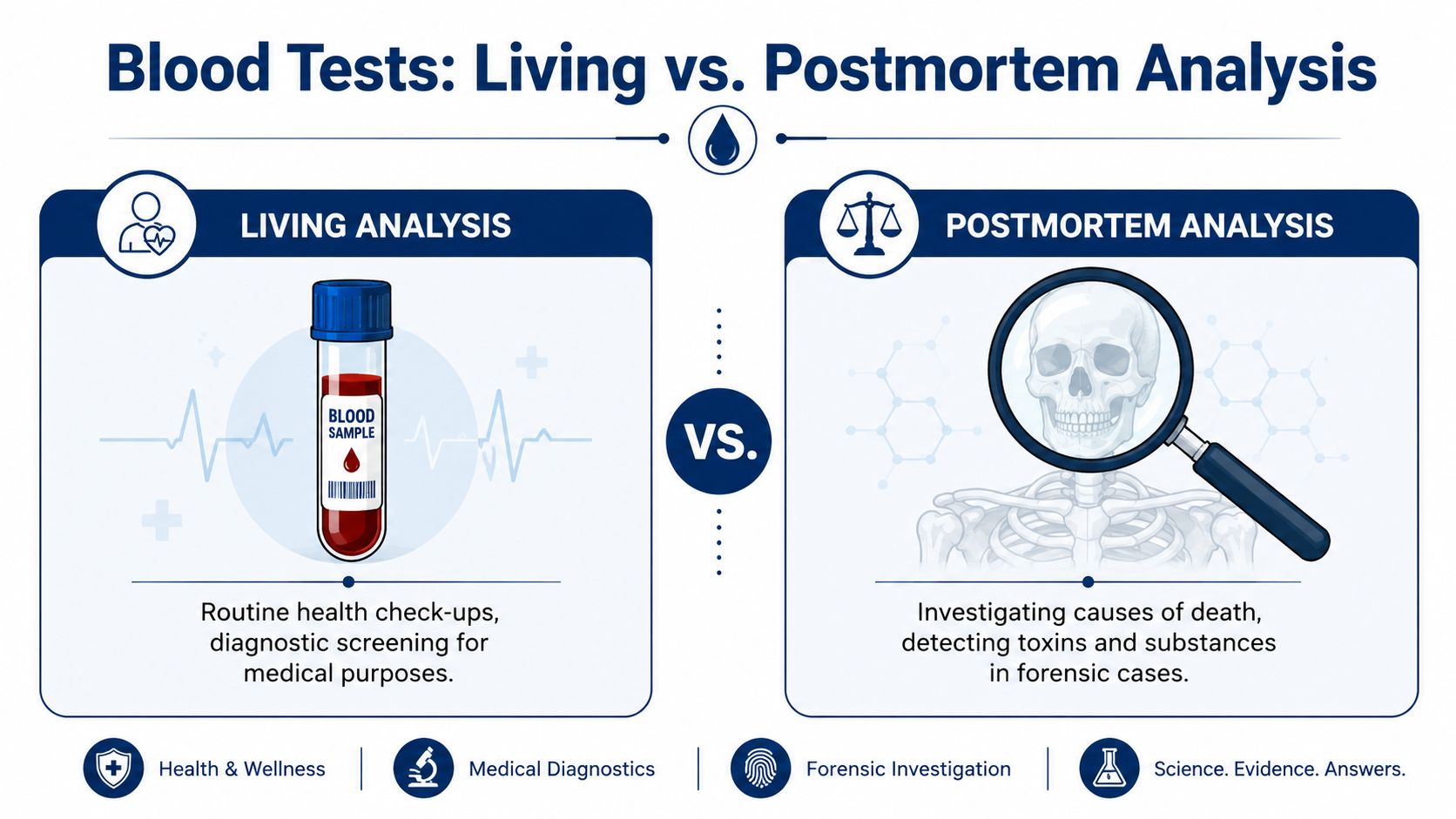
Patients first learn what blood tests do in a clinic, emergency room, or annual physical. Blood testing is a core medical tool because it can measure cells, chemicals, proteins, and other substances, and it is used to screen for disease, check organ function, and monitor treatment. A complete blood count, or CBC, is one of the most common examples. It measures red blood cells, white blood cells, platelets, hemoglobin, hematocrit, and red-cell size indicators such as RDW and MCV. A CBC may use as much as 30 mL of blood, while many other blood tests use only a few milliliters, often about 1 to 5 mL per tube, according to Cleveland Clinic's blood test guide.
What routine blood work does
For living patients, blood work is often about screening, diagnosis, and monitoring over time. A CBC can help identify problems such as anemia, infection, inflammation, immune disorders, and some blood cancers. Other panels may help evaluate diabetes, kidney function, liver function, clotting, or cardiovascular risk.
That is why routine blood work is so common in checkups and chronic disease care. It gives clinicians broad information quickly from a small sample.
What changes after death
Postmortem blood testing asks a different question. We are not managing future health. We are reconstructing the body's condition at or near the time of death.
That means a forensic pathologist is usually less interested in long-term screening targets and more interested in findings that explain collapse, impaired consciousness, respiratory depression, arrhythmia, poisoning, or metabolic failure. In practical terms, postmortem analysis may focus on toxicology, alcohol testing, or biochemical markers that can support a cause of death opinion.
A simple comparison helps:
| Setting | Main purpose | Typical use of results |
|---|---|---|
| Clinical blood testing | Screening, diagnosis, monitoring | Guides treatment for the living |
| Postmortem blood testing | Cause of death investigation | Helps explain how and why death occurred |
A blood result in the living can trigger treatment. A blood result after death must be interpreted as evidence.
This distinction matters because families often ask whether a normal blood test from weeks or months earlier rules out a medical cause of death. It doesn't. Clinical results belong to a different moment in time and answer a different question. Likewise, an abnormal postmortem result is not automatically the cause of death. It is one data point within a forensic investigation.
The Critical Role of Forensic Toxicology
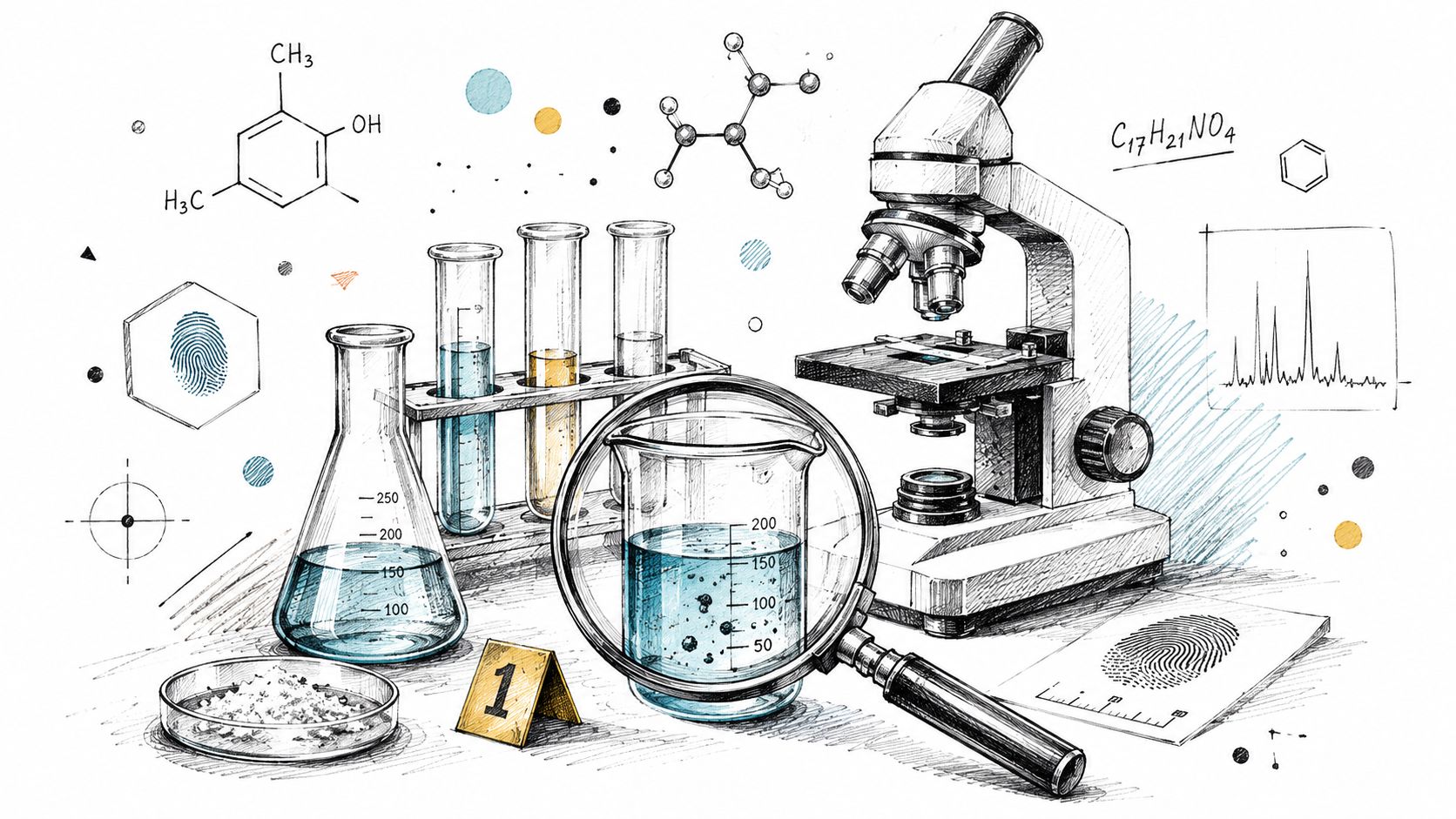
In many death investigations, the most important blood-based testing is forensic toxicology. This is the analysis of blood and other specimens to detect and interpret drugs, alcohol, and toxic substances. It is often central when a death is sudden, unwitnessed, medication-related, or legally contested.
What toxicology looks for
A toxicology panel may evaluate several broad categories:
- Prescription medications: Pain medications, sedatives, antidepressants, cardiac drugs, and other prescribed agents may be present at expected, excessive, or mixed levels.
- Alcohol and impairing substances: These findings can matter in accidental deaths, transportation events, and questions of impairment.
- Illicit drugs: A result may identify a substance that contributed to respiratory depression, cardiac stress, or altered behavior before death.
- Other toxic agents: Depending on the circumstances, the laboratory may evaluate additional compounds or poisons.
What matters is not only whether a substance is present. The key question is whether it contributed to death, caused death, or was incidental.
A medication can appear in the blood for a legitimate reason. A person may have taken it exactly as prescribed. Another person may have multiple substances present, each at a level that appears modest on its own, but dangerous in combination. Toxicology is therefore an interpretive science, not a simple yes-or-no screen.
Families looking for a deeper explanation of this process can review our discussion of post-mortem toxicology.
Why a positive result is not the whole answer
A positive toxicology finding can be misunderstood in both directions. Some people assume that any detected drug means overdose. Others assume that a prescribed medication could not have played a role because it was legally obtained. Both assumptions can be wrong.
Our board-certified forensic pathologists compare toxicology with the autopsy findings, scene history, medical records, and the known effects of the substances involved. If the lungs show edema, the history suggests sedation, and the blood contains drugs known to depress breathing, the interpretation may point one way. If the heart shows severe natural disease and the detected medication is not sufficient to explain death, the interpretation may point another.
Later in the review, visual explanation can help families understand how the pieces fit together:
The laboratory identifies substances. The forensic pathologist decides whether those substances matter to the death.
This distinction is especially important in attorney-reviewed cases. A toxicology report alone does not establish causation. It becomes meaningful only when interpreted within the full case.
Beyond Toxicology Uncovering Clues in Postmortem Chemistry
Not every unexplained death is a poisoning or overdose. Some are natural deaths that leave little visible anatomic evidence. In those cases, postmortem chemistry can provide the missing clues.
When anatomy does not explain the death
An autopsy may show no major trauma, no obvious internal bleeding, and no single structural finding that clearly explains death. That does not mean nothing happened. Some lethal events are biochemical.
Modern lab medicine increasingly uses biomarker-driven testing. In a postmortem setting, that can include looking for markers of tissue stress or metabolic crisis, such as troponin for heart damage or specific ketones associated with diabetic emergencies, as described in Scripps' overview of common blood tests.
This is especially useful when the person died alone, when symptoms were poorly documented, or when a natural disease process progressed rapidly.
Markers that can reveal a hidden medical crisis
Postmortem chemistry may help support or exclude conditions such as:
- Diabetic emergency: Ketone-related findings can support diabetic ketoacidosis or another severe metabolic disturbance.
- Kidney dysfunction: Certain chemistry patterns may point toward impaired filtration or metabolic imbalance.
- Severe dehydration or electrolyte disturbance: These may contribute to collapse or fatal arrhythmia.
- Cardiac injury: Biomarkers can sometimes help when structural findings are limited.
Our broader discussion of specimen handling after analysis appears in what happens to blood after testing, which explains why collection method and preservation matter so much in these cases.
A useful way to think about postmortem chemistry is that it helps detect diseases that are real but not always visible. A diabetic crisis does not always leave a dramatic footprint that can be seen with the naked eye. The same is true for some electrolyte problems and metabolic failures.
Important distinction: Toxicology looks for external substances and their effects. Postmortem chemistry looks for internal physiologic failure.
For families, this can be very important. It may confirm that a death was due to natural disease rather than intoxication. For attorneys, it can change how a case is analyzed, especially when prior assumptions centered on medication use or possible negligence.
Ensuring Integrity Sample Collection and Chain of Custody
A test result is only as reliable as the process behind it. In forensic work, that process has to be medically sound and legally defensible.
What chain of custody means
Chain of custody is the documented, unbroken record of a specimen from collection through storage, transport, laboratory analysis, and reporting. It shows what was collected, when it was collected, how it was labeled, who handled it, and where it went next.
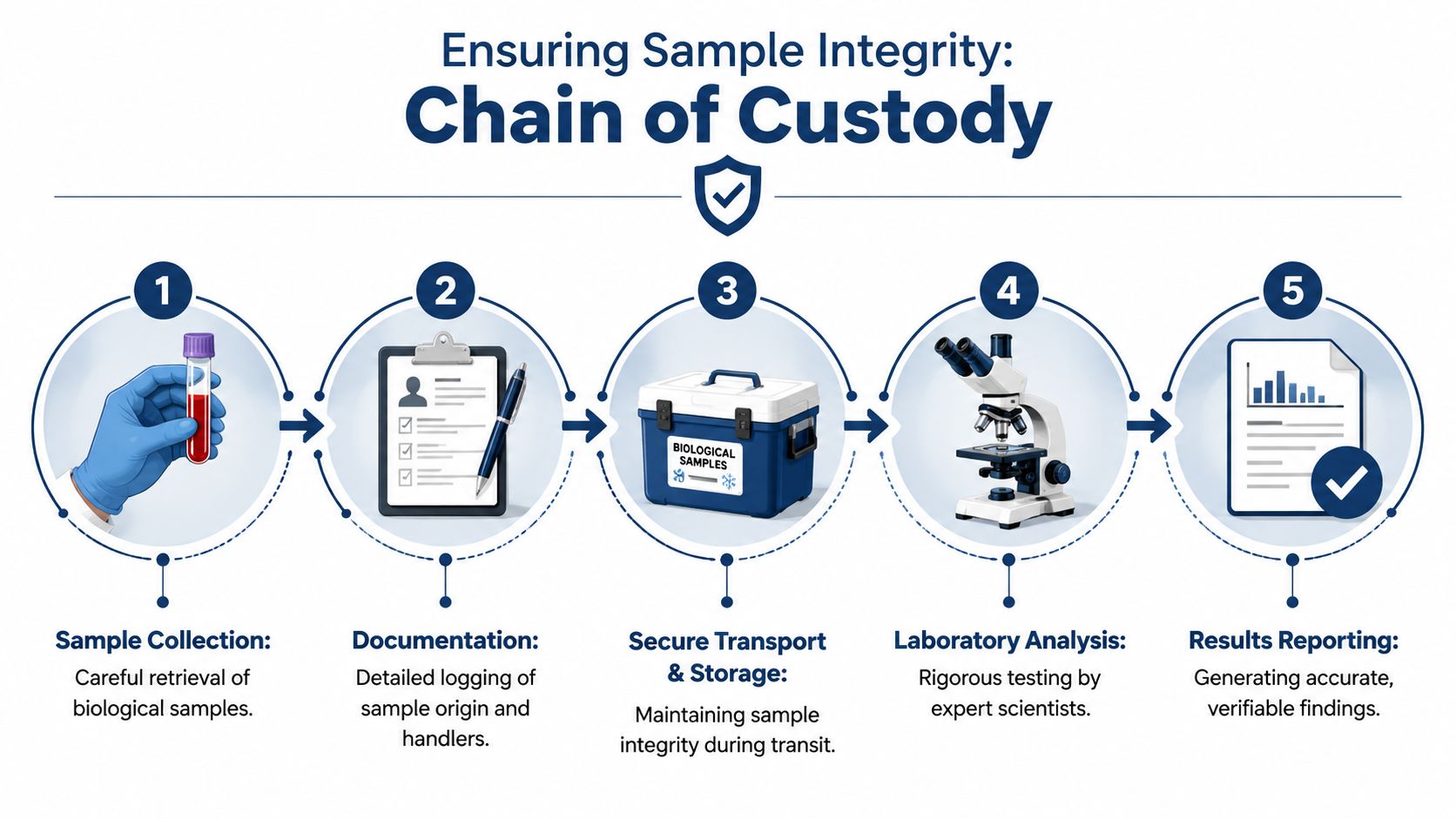
Without that continuity, even a technically accurate result may be challenged. The issue is not only science. It is traceability.
A proper forensic sample process usually includes:
- Collection from the appropriate site based on the investigative question.
- Accurate labeling so the specimen is linked to the correct decedent.
- Secure packaging and storage to protect integrity before analysis.
- Documented transfer to the laboratory or other authorized custodian.
- Report linkage so the final result corresponds to the original specimen.
For readers who want more detail on practical handling standards, we provide an overview of specimen collection procedures.
Why procedure matters in Texas cases
In Texas, cause of death work often intersects with legal questions, family concerns, and agency requirements. That is why our process is designed to support clear documentation from the first step forward. Every examination is performed by a forensic pathologist certified by the American Board of Pathology, and our handling procedures are aligned with the need for court-admissible reporting and documented custody.
This also involves logistics. Transportation, secure storage, and transfer to testing partners have to be managed carefully. When facility coordination is needed, relationships such as our Waterloo Mortuary Partnership help maintain continuity in handling and documentation.
A chain of custody is not paperwork for its own sake. It is the proof that the specimen tested is the specimen collected.
That level of rigor protects everyone involved. It protects the family seeking truthful answers. It protects attorneys evaluating evidence. It protects the court from unreliable conclusions.
Interpreting Results The Pathologist's Expertise
A laboratory report can look definitive because it contains numbers, named substances, and reference language. But data is not the same thing as explanation.
Lab data needs context
Major patient-facing health guidance notes that abnormal blood test results often need follow-up testing or clinical context to be meaningful, and that a normal result does not always rule out disease, as explained by the NHS guide to blood tests. That principle applies even more strongly after death.
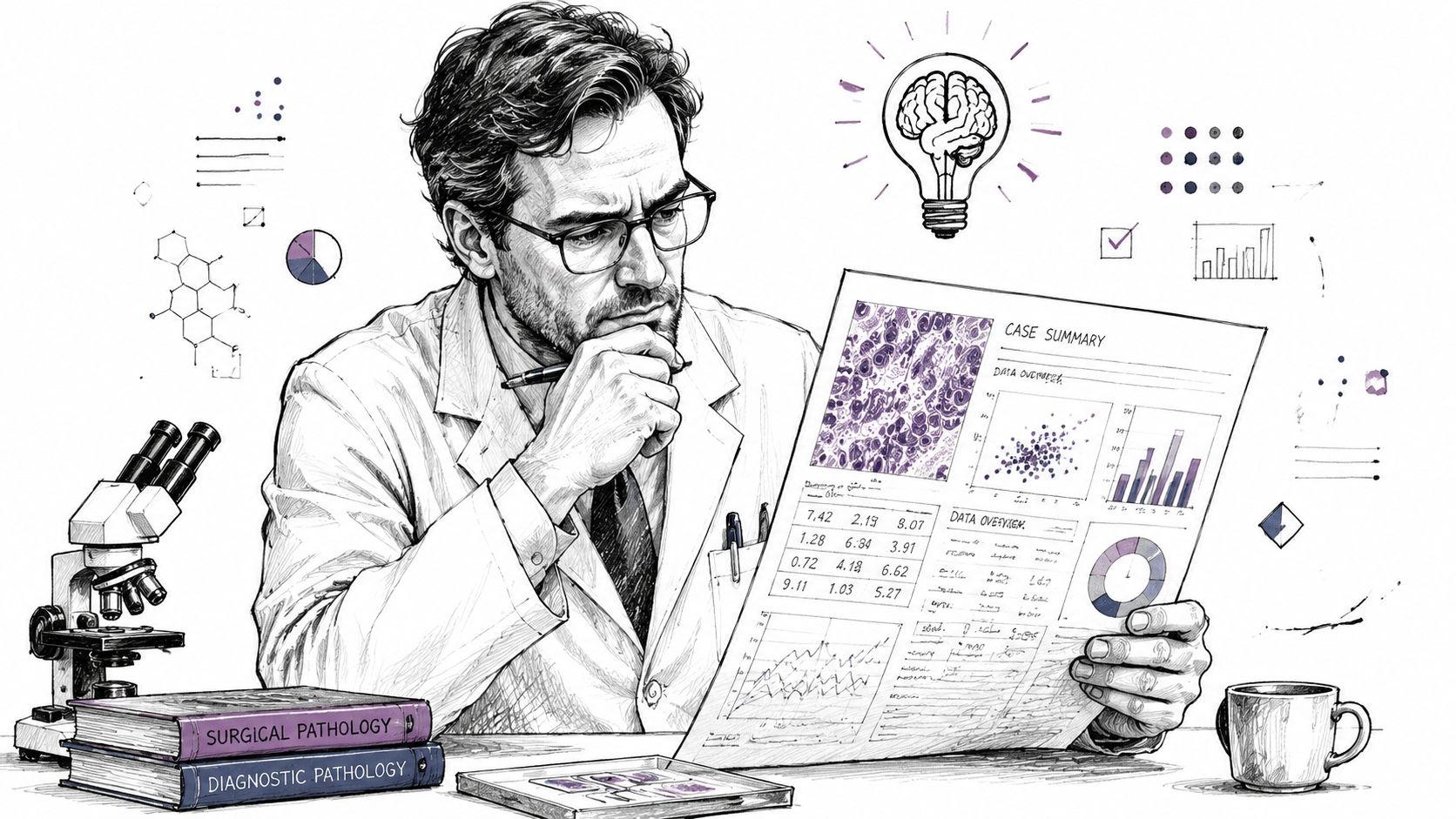
A postmortem result must be interpreted alongside:
- Autopsy findings: What the organs, tissues, and injuries show.
- Medical history: Diagnoses, medications, prior symptoms, and treatment records.
- Circumstances of death: Where the person was found, what was reported, and whether there were witnesses.
- Known postmortem changes: Some substances and analytes behave differently after death than they do in the living body.
Forensic pathology diverges from merely receiving a lab printout. Our board-certified forensic pathologists synthesize all of these facts before reaching a cause-of-death opinion.
Cause of death and manner of death are not the same thing
Two terms are often confused.
Cause of death means the disease or injury that led to death.
Manner of death is the medicolegal classification of how that cause arose, such as natural, accident, suicide, homicide, or undetermined.
A positive drug result does not automatically make the manner of death accidental. A natural disease process with medication present may still be natural. A substance-related death may remain undetermined if the evidence does not support a clear classification.
Texas Autopsy Services is one option for families, attorneys, and agencies who need an independent autopsy or second-opinion review with integrated toxicology and postmortem laboratory interpretation. The value is not the existence of a lab result. The value is medically grounded interpretation tied to the full case record.
Some of the most important findings in forensic pathology are not the dramatic ones. They are the findings that keep a case from being misclassified.
This is also where restraint matters. A careful pathologist knows when the evidence supports a firm conclusion, and when it supports only a limited one. That honesty is part of an unbiased cause of death investigation.
Frequently Asked Questions About Postmortem Testing
Can blood tests alone determine the cause of death
Usually not. Blood testing is one part of the investigation. In many cases, it helps support or refine the conclusion, but the final opinion should also consider the physical autopsy, medical records, and circumstances of death.
What do blood tests do in an autopsy if there is no obvious injury
They can help identify substances, metabolic disturbances, or evidence of disease processes that are not obvious on gross examination. That is often important in sudden, unwitnessed, or medically complex deaths.
Does a positive toxicology result mean overdose
No. It means a substance was detected. The forensic question is whether that substance caused death, contributed to death, or was present without being fatal.
Why are repeat review and context so important
Because laboratory findings can be misleading if read in isolation. A result may reflect treatment before death, a chronic medication, or a temporary abnormality rather than the actual cause of death.
What should families and attorneys ask for
Ask whether the investigation included toxicology, whether additional chemistry or biomarker testing was considered, how specimens were collected, and whether chain of custody was documented. Those questions often reveal whether the evaluation was narrow or complete.
If your family, client, or agency is facing an unexplained death and needs a careful, independent review, our team at Texas Autopsy Services can explain the autopsy process, postmortem testing options, and the legal safeguards that apply in Texas. We approach each case with medical precision, documented chain of custody, and respect for the person who has died.