October 9, 2025 · Texas Autopsy Services
The Role of a Forensic Expert Witness: Translating Science into Justice
Discover the vital role a forensic expert witness plays in legal cases. Learn how their objective testimony clarifies complex evidence and supports justice.
On this page
- The Making of a Trusted Expert Witness
- How a Forensic Expert Witness Helps in Civil and Criminal Cases
- Why the Demand for Forensic Expertise Is Growing
- The Global Reach of Forensic Expert Services
- Navigating High-Stakes Litigation and Arbitration
- Frequently Asked Questions About Forensic Expert Witnesses
TL;DR: A forensic expert witness serves as a translator, converting complex medical and scientific evidence into clear, objective testimony for legal proceedings. My role is not to take a side but to present the factual story the evidence tells, helping courts and families find clarity in the midst of uncertainty.
Key Responsibilities: Answering critical questions about cause of death, injury patterns, and standards of medical care.
Qualifications: Expertise is built on a foundation of board certifications, extensive real-world experience (such as performing over 1,000 autopsies), and an unwavering commitment to impartiality.
Legal Context: The role adapts to serve the distinct needs of criminal cases (establishing facts for justice) and civil litigation (determining causation and negligence for resolution).
Impact: By providing a clear, scientific anchor, a forensic expert witness helps ensure that legal outcomes are based on evidence, not emotion or speculation.
When a family is navigating the aftermath of a death, or a legal team is grappling with complex medical facts, the path forward can seem obscured. This is where a forensic expert witness provides clarity. As a forensic pathologist, my purpose is to interpret the silent, scientific story a body tells and translate it into objective truth for a courtroom. My duty is not to advocate for one side but to ensure that legal decisions are grounded in sound medical evidence.
I often first connect with families and attorneys when they are at their most vulnerable, seeking answers amid confusion and grief. A death under questionable circumstances or a lawsuit hinging on obscure medical details is where my work begins. My expertise in pathology—the study of disease and injury—allows me to construct a straightforward narrative that a judge, jury, or lawyer can understand. My role is to bridge the gap between intricate medical science and the core questions the law must answer.
The Core Questions We Answer
At its heart, every case I review boils down to a few critical questions that demand unbiased, scientific answers. My work is to address these with precision.
- Clarifying the Cause of Death: Determining the precise medical reason for a death is often the most critical piece of the puzzle. This is not simply about assigning a label; it requires a deep investigation into injury patterns, disease processes, and any contributing factors.
- Interpreting Injury Patterns: How an injury occurred can be as significant as the injury itself. Was it accidental? The result of an intentional act? A complication from medical treatment? The body holds these clues, and a forensic pathologist is trained to read them.
- Assessing Standards of Care: In cases involving potential medical malpractice, I meticulously review all records and procedures. The objective is to determine whether the care provided met the accepted standard in the medical field, a task requiring a firm command of both clinical medicine and pathology.
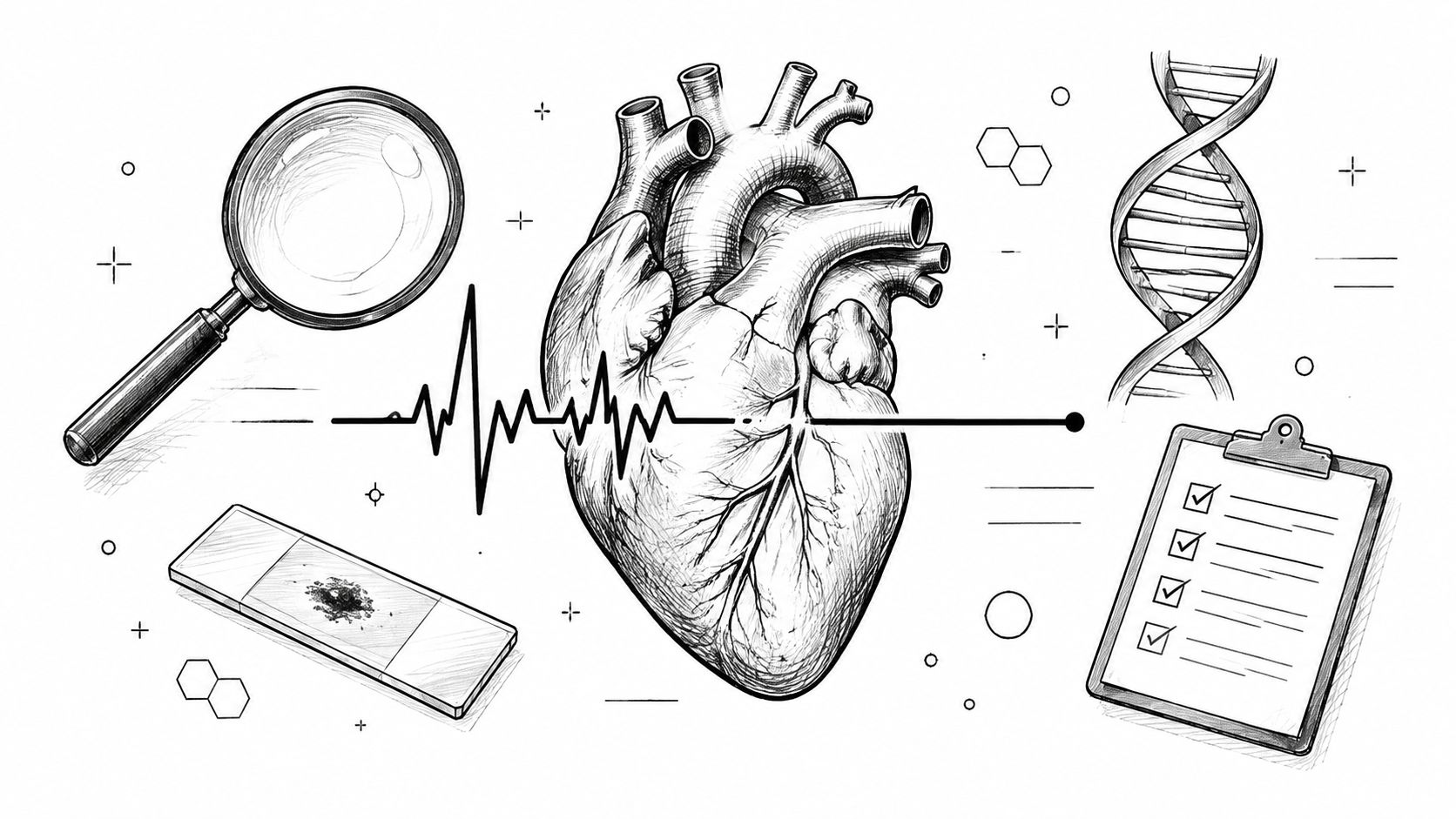
This infographic helps visualize how a forensic expert witness connects scientific investigation with legal understanding.

As you can see, the expert’s primary function is to transform raw scientific data into clear, defensible conclusions that can withstand legal scrutiny.
Beyond the Autopsy Suite
My work extends far beyond the autopsy suite. A significant portion of my time is dedicated to analyzing extensive documentation, from dense medical records and witness statements to laboratory findings. For instance, understanding what toxicology reports reveal after death can fundamentally alter the direction of a case.
Effective presentation of evidence is also paramount. When audio or video evidence is involved, a precise transcription with timecode is essential for referencing key moments during testimony.
My commitment is to the evidence. In the face of uncertainty, science provides a pathway to clarity. It is my responsibility to walk that path with integrity, ensuring that the facts speak for themselves, respectfully and accurately.
Ultimately, my role is to be a steady, unwavering voice for the evidence. I am here to help bring resolution and justice to situations often entangled in emotion and complexity.
The Making of a Trusted Expert Witness

When a case proceeds to court, an opinion is only as credible as the expert who offers it. For a forensic expert witness, credibility is not merely conferred by a medical degree. It is built upon a foundation of rigorous academic training, thousands of hours of hands-on experience, and a profound commitment to ethical practice. This unique combination transforms a medical opinion into a scientifically sound conclusion capable of withstanding the most rigorous legal scrutiny.
More Than Just a Title: What Board Certifications Mean
You may hear an expert is "board-certified," but what does this designation truly signify for your case? It is not a mere title. Each certification from the American Board of Pathology represents proven, tested expertise in a specific area of medicine. It is the culmination of years of dedicated study and practice, validated by a panel of peers.
I hold three such certifications, and each provides a unique lens through which to analyze a case.
- Anatomic Pathology: This is the deep examination of the body's tissues and organs. It involves recognizing the microscopic signs of disease or injury, whether I am viewing a single cell or an entire organ system.
- Clinical Pathology: This is the science of the laboratory—interpreting blood work, fluid analysis, and toxicology reports. It helps connect the dots, revealing the chemical story behind a person's death.
- Forensic Pathology: This is where medicine and law converge. It applies the knowledge from anatomic and clinical pathology to answer legal questions. It is the specialty that translates medical findings into clear determinations of cause and manner of death. Our guide on what forensic pathology is further explains its vital role.
Expertise across these three disciplines allows me to analyze a case from every critical angle, providing a comprehensive and defensible opinion.
Why Nothing Replaces Real-World Experience
Credentials provide the foundation, but experience is what sharpens an expert’s judgment. Having personally conducted over 1,000 autopsies, I have developed an extensive mental library of pathologies, from common diseases to rare and complex injuries. Each case imparts a new lesson about the subtle clues the body leaves behind. This is the kind of earned wisdom that matters on the witness stand, where a skilled attorney will probe for any weakness in a theory not grounded in solid reasoning.
A credible expert witness must do more than just state the facts. They need to explain why the science points to a certain conclusion, and do it with clarity and confidence. That skill isn’t learned in a textbook; it’s earned in the autopsy suite.
The table below breaks down why both premier education and extensive experience are non-negotiable for any forensic expert witness.
Key Qualifications for a Forensic Pathologist Expert Witness
A summary of the essential credentials and experience that validate a forensic pathologist's expertise in a legal setting.
| Qualification | Significance in a Legal Context |
|---|---|
| Board Certification | Proves a pathologist has met a national, peer-reviewed standard of knowledge and is committed to the highest ethics. |
| Extensive Autopsy Experience | Builds the practical wisdom to spot unusual conditions, understand complex injury patterns, and find subtle evidence. |
| Ongoing Education | Guarantees that all opinions are based on the latest medical science and forensic methods, which is crucial for credibility. |
In the end, a trustworthy opinion comes from a career spent in the pursuit of precision and objectivity. This solid foundation allows a forensic expert witness to deliver the clarity families deserve and to uphold the integrity of the legal process.
How a Forensic Expert Witness Helps in Civil and Criminal Cases
The work of a forensic expert witness is not a monolithic role. It adapts significantly to the legal arena—specifically, whether a matter is criminal or civil. While my commitment to scientific objectivity remains constant, the questions I am asked to answer and the impact of those answers differ profoundly.
In both contexts, a forensic expert’s work often intersects with legal documents and systems, including essential court record checks. Understanding the specific legal framework is absolutely critical to providing testimony that is both relevant and impactful.
Criminal Law: The Pursuit of Justice
In criminal law, the stakes are immeasurable, involving personal liberty and public safety. My work typically revolves around reconstructing the final moments of a person's life to help the court understand what happened, how, and sometimes even why. The focus is on objective facts that can either support or challenge the narrative presented by the prosecution or defense.
To offer a concrete, anonymized example: I was once asked to review a case where an individual was found deceased from a single gunshot wound. The initial assessment suggested suicide, but the family could not accept this conclusion. My examination extended far beyond the wound itself. I analyzed the bullet's trajectory, the pattern of gunshot residue on the skin and clothing, and the body's position relative to the scene. The science indicated a firing distance inconsistent with a self-inflicted wound. This single piece of objective information fundamentally reshaped the investigation.
In such cases, my role is to clarify several key points for the court:
- Timeline of Events: Forensic findings can establish a sequence of injuries, which often forms the backbone of a coherent case.
- Nature of Injuries: I can differentiate between injuries caused by various types of force or weapons, providing objective data about the physical events.
- Manner of Death Determination: A critical part of my analysis is to offer a professional opinion on whether a death was a homicide, suicide, accident, or from natural causes, based strictly on the medical evidence.
My testimony in a criminal case is about presenting the unvarnished scientific truth. My duty is not to secure a conviction or an acquittal; it is to ensure the jury has a clear, factual basis for their decision.
Civil Litigation: The Search for Resolution
Civil cases are different, yet they carry their own immense weight for the families involved. These cases often address questions of professional responsibility, negligence, and compensation for grieving loved ones. Here, the focus shifts from criminal intent to issues of causation and whether professional standards were met.
A common scenario involves a wrongful death claim where the cause of death is disputed. A family may believe a loved one's death in a hospital resulted from a medical error, while the institution may argue it was an unavoidable consequence of the patient's underlying illness.
My role is to conduct an independent review of all medical records—and sometimes perform a private autopsy—to determine the precise cause of death. I analyze whether the care provided met the accepted standard within the medical community. Did a specific action, or inaction, directly lead to the patient's death? My findings can provide the clarity needed for a just resolution, whether that means validating a family's concerns or confirming that the death was, tragically, an unavoidable outcome.
In civil litigation, a forensic expert helps answer questions such as:
- Was the Standard of Care Met? This involves a meticulous review of medical procedures to determine if they align with established best practices.
- Did a Specific Event Cause the Death? I work to draw a clear, scientific line between an alleged act of negligence and the final cause of death.
Whether in a criminal courtroom or a civil deposition, my objective remains the same: to provide an independent, scientific analysis that brings clarity to complex and emotionally charged situations. By translating hard evidence into understandable truths, I aim to ensure a fair outcome for all involved.
Why the Demand for Forensic Expertise Is Growing
The legal landscape is not what it once was. Cases grow more complex by the day, and with that complexity comes an increasing demand for scientific clarity. The role of the forensic expert witness has evolved from a rarity in the courtroom to a fundamental component of modern justice. This is not a fleeting trend; it reflects a legal system that now relies heavily on objective, evidence-based answers.
Legal battles, whether civil or criminal, often hinge on highly technical or medical details. Judges and attorneys are brilliant legal minds, but they cannot be experts in every field. They require qualified professionals who can distill a mountain of complex data and explain its true meaning in plain language. This is where the need for specialized forensic expertise originates.
The Rise of Evidence-Based Litigation
Today's legal cases are more intricate than ever before. Scientific and technological advancements have created an ocean of available data, but that data requires a skilled interpreter. Whether it involves DNA evidence in a murder trial or electronic health records in a malpractice suit, the evidence itself can be overwhelming without a guide. A forensic expert serves as that guide.
This shift toward evidence-based justice has fueled a significant need for qualified professionals. The global expert witness market is projected to reach approximately $1.2 billion, with an annual growth rate of 6.2%. This figure is more than a statistic; it is a clear indicator of the legal system's dependence on expert testimony. You can explore the full analysis on the expert witness services market to see these trends for yourself.
In my experience, this growth is driven by a simple, powerful need: the need for certainty. When a person’s freedom or a family’s future is on the line, there is no room for ambiguity. Science provides a pathway to clarity, and a forensic expert illuminates that path.
This reliance on hard science is a positive development. It means court decisions are more likely to be built on verifiable facts rather than speculation, leading to fairer and more reliable outcomes for everyone involved.
More Than Just Courtroom Testimony
Most people picture a forensic expert witness on the stand in a packed courtroom. While testimony is a visible and critical part of my work, it is only the tip of the iceberg. Much of my most crucial analysis happens long before a trial begins, during the pre-trial phase. This is often where I can provide the greatest value to a legal team.
My work behind the scenes typically involves:
- Pre-Trial Case Reviews: I begin by offering an unbiased, professional opinion on the medical evidence. This helps attorneys understand the scientific strengths and weaknesses of their case from the outset, enabling them to build an intelligent legal strategy.
- Evidence Analysis: I meticulously review all relevant documents—autopsy reports, medical records, lab results, and more. This deep dive often uncovers crucial details or inconsistencies that were initially overlooked, potentially altering the entire direction of a case.
- Strategic Consultation: I serve as a partner to the legal team. I help them grasp complex medical concepts, prepare to question opposing experts, and craft sharp, scientifically sound questions for cross-examination.
By providing these insights early, I help attorneys construct a stronger, more coherent case. This often facilitates resolution before the matter ever reaches a courtroom, saving all parties time, expense, and considerable emotional strain. The ultimate goal is always to bring clarity, whether in a private consultation or from the witness stand.
The Global Reach of Forensic Expert Services

The scientific pursuit of truth knows no borders. While my practice is centered here in Texas, the principles that guide a forensic expert witness are part of a much larger, global conversation about justice. An international perspective reveals that the need for objective, scientific clarity is universal, regardless of the legal system.
From the courts of North America and Europe to the rapidly evolving legal frameworks in Asia, there is a growing reliance on specialized expertise to adjudicate complex cases. This global view is important. It highlights a worldwide movement to align scientific standards, ensuring that evidence is analyzed with the same rigor whether a case is tried in Houston or Hong Kong.
North America: The Established Leader
North America is unquestionably the most developed market for expert witness services, largely due to its long-standing and complex legal system. The sheer volume of civil and criminal litigation creates a consistent demand for experts who can deconstruct complicated technical and medical details for judges and juries.
The legal culture here, with its emphasis on discovery and detailed evidence, makes the role of a forensic expert witness especially vital. Attorneys rely on expert analysis for everything from initial case assessments to trial testimony.
The numbers confirm this reality. North America currently holds approximately 40% of the global expert witness services market share. It is a market built on a legal framework that fully embraces expert testimony. Europe follows closely with around 30% market share, while the Asia Pacific region is accelerating with a projected growth rate of 7.5% CAGR. You can explore more insights on the global expert witness outlook from OpenPR.
Comparing Global Legal Environments
While the objective is always to uncover the truth, the methods different legal systems use can vary significantly. Many European legal systems, for example, differ from the adversarial system we have in the United States. In some European nations, the court itself may appoint a single, neutral expert rather than having each side present its own.
Despite these structural differences, the expert's core responsibility remains the same: to provide the court with an unbiased, scientific perspective. A proficient forensic expert must be able to adapt their communication and reporting to fit the specific rules of any jurisdiction in which they work, whether at home or abroad.
The science of forensic pathology speaks a universal language. An injury pattern or a toxicological finding tells the same story regardless of the legal system interpreting it. My responsibility is to ensure that story is told with unwavering accuracy and clarity, wherever it needs to be heard.
The Expanding Demand in Asia Pacific
The Asia Pacific region represents the next frontier for forensic expert services. As economies there expand, their legal systems are becoming more sophisticated. We are witnessing a rise in cross-border business disputes, intellectual property cases, and complex criminal investigations, all of which drive a new and significant demand for qualified experts.
This growth is part of a global trend. As societies and their laws become more advanced, they lean more heavily on hard evidence. It demonstrates that the work of a forensic expert witness is a cornerstone of modern justice, providing the solid, factual ground upon which fair legal outcomes are built—no matter where you are in the world.
Navigating High-Stakes Litigation and Arbitration
In large-scale civil litigation and international arbitration, the financial and personal stakes are exceptionally high. In this environment, a forensic expert witness is not merely beneficial; they are an absolute necessity. It is an intense arena where every piece of evidence is subjected to microscopic scrutiny, making objective, unshakeable expertise non-negotiable.
These cases often involve outcomes measured in the millions, and sometimes billions, of dollars. The weight on an expert’s shoulders is immense. A single forensic finding can alter the trajectory of a case, influencing judgments with life-altering consequences for companies, families, and individuals. This reality demands an extraordinary level of precision, clarity, and integrity.
The Trend Toward Deep Specialization
This high-stakes environment has driven a clear trend: deep specialization. General knowledge is no longer sufficient. Legal teams actively seek premier experts known for their specific, niche experience in a single area of forensic science.
Whether a case turns on a fine point of medical malpractice or a complex detail in an industrial accident, a deeply specialized forensic expert witness brings the authority needed to make a difference. It is a given that the opposing side will have their own experts. Credibility often hinges on demonstrating a superior command of the subject, backed by years of hands-on experience in that specific field. You can learn more about the forensic pathology expert witness to understand how much this specialization matters.
The Financial Magnitude of Expert Testimony
The sheer scale of these disputes puts the expert's work into perspective. In international arbitration, for example, one global firm reported that the average claim value in their cases was a staggering $561.33 million. This figure illustrates the incredible financial weight that rests on the expert's analysis and testimony being clear, accurate, and convincing. Discover more insights about these high-value arbitration matters.
In such high-pressure settings, my role is to serve as an anchor to the facts. The financial figures are staggering, but my focus remains unwavering on the scientific evidence. Integrity is paramount because when the stakes are this high, the truth must be presented with absolute clarity and conviction.
This is where the core principles of forensic pathology—objectivity, meticulous detail, and an unwavering commitment to the evidence—are truly tested. My job is to cut through the noise and complexity, offering a clear, scientifically backed perspective that helps a court or tribunal make an informed, just decision. It is a profound responsibility, one I approach with the seriousness and precision it demands.
Frequently Asked Questions About Forensic Expert Witnesses
Navigating the legal system, especially in the wake of a loss, can be confusing and overwhelming. As a forensic expert witness, a significant part of my role is to demystify the process for attorneys and the families they represent. Here are some of the questions I am most frequently asked.
What is the difference between a consulting expert and a testifying expert?
This is a critical distinction that shapes legal strategy. A consulting expert acts as a private advisor to the legal team. They work behind the scenes to analyze evidence, identify strengths and weaknesses, and help build the case. Their work is typically protected by attorney-client privilege.
A testifying expert, in contrast, is an expert who will present their findings in a formal setting, such as a deposition or trial. Their role is to educate the court on what the evidence means, and their opinions and the basis for them are subject to discovery and cross-examination. An expert may begin as a consultant and later be designated as a testifier, but once that line is crossed, their work becomes discoverable.
How do you remain objective when retained by one side?
My ultimate responsibility is to the science and the evidence. It is not to the law firm or individual who retained my services. My board certifications from the American Board of Pathology and my professional ethics demand complete objectivity in every case.
My conclusions are driven entirely by an independent review of the medical facts, based on established scientific principles. An expert's reputation—and the integrity of the justice system—depends on that impartiality.
My role is to be a neutral interpreter of the evidence. I follow the facts wherever they lead, regardless of whether they support or challenge the arguments of the side that retained me. This is how I provide true value and assist the court in reaching the truth.
What should an attorney look for in a forensic expert witness?
Selecting the right expert is one of the most critical decisions an attorney can make. It is about more than an impressive resume; it requires someone who is credible, articulate, and experienced.
Here are key qualifications to consider:
- Board Certifications: Verify certifications from recognized bodies. This is proof that the expert has met rigorous, peer-reviewed standards of knowledge and practice.
- Relevant Experience: How many autopsies have they performed? How many complex cases have they reviewed? It is this hands-on experience that enables an expert to identify subtle but critical details others might miss.
- Communication Skills: A brilliant expert who cannot explain complex concepts in simple terms is ineffective in a courtroom. They must be able to educate a jury with no medical background.
- Courtroom Poise: Can they remain calm, clear, and articulate under the pressure of cross-examination? The most effective experts combine deep knowledge with unshakable credibility on the witness stand.
Navigating a complex medical-legal case begins with asking the right questions. If you are an attorney or a family member seeking answers, the team at Texas Autopsy Services is here to provide clarity. For a confidential consultation, please reach out to our office. You can learn more about our work at https://www.texasautopsyservices.com.