February 26, 2026 · Texas Autopsy Services
What to Expect from a Private Autopsy in Texas
Learn the procedure of autopsy with our forensic pathology team as he explains each step clearly, helping families and legal teams understand results.
On this page
As a forensic pathologist, I often meet families during the most difficult time of their lives. When a loved one dies, the silence that follows is frequently filled with questions that need clear, factual answers. A private autopsy is a methodical, respectful medical examination designed to find that truth. For many families in Texas, it’s a vital step toward understanding, closure, and sometimes, justice.
- A private autopsy provides an independent, objective investigation into the cause and manner of death, separate from any hospital or government agency.
- The process is performed by a board-certified forensic pathologist, ensuring the highest level of medical and legal precision.
- Every step, from consent to the final report, is handled with compassion and strict adherence to Texas law.
- Families and attorneys receive a comprehensive, transparent report that explains the medical findings in clear terms.
- The procedure is conducted with dignity, allowing families to proceed with an open-casket funeral if they wish.
Why an Independent Autopsy Can Provide Crucial Answers
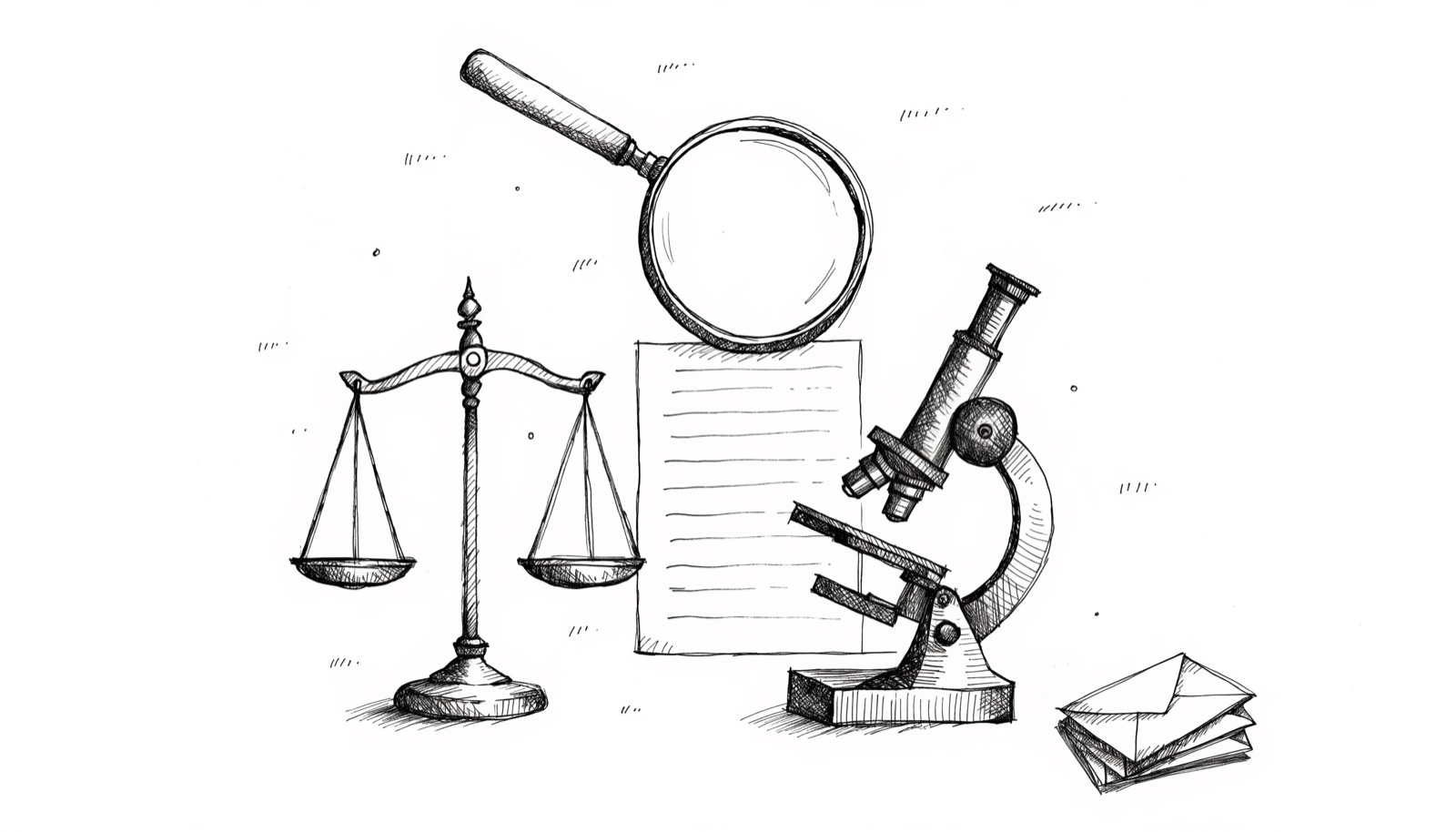
After a sudden loss, a standard death certificate may not offer the clarity a family or their legal counsel needs. This is where a Private Autopsy becomes essential. It provides an objective, third-party investigation performed by a qualified forensic pathologist, completely separate from any hospital or government agency. This impartiality is the most important value I bring to every case I handle for Texas Autopsy Services.
My role as a forensic pathologist is to uncover the complete medical story. This becomes vital in several situations:
- When the official cause of death is listed as "undetermined" or doesn’t align with a person's known medical history.
- If you have unresolved questions about the quality of medical care a loved one received.
- When a family has a history of genetic conditions that could have health implications for living relatives.
- For legal proceedings, like wrongful death investigations, where objective medical evidence is required to establish facts.
The Importance of an Objective Examination
The autopsy has long been the definitive standard for determining cause of death. Decades ago, hospital autopsies were common, peaking at over 19% of all deaths in the early 1970s. By 2020, that rate had fallen to just 7.4%. This decline highlights a growing need for independent forensic pathology services to provide the thorough examinations that public systems may no longer have the resources to conduct.
Sometimes, families or legal teams request an independent review because they are concerned about a potential conflict of interest or simply want a fresh set of expert eyes on the case. It's about ensuring every detail has been examined.
When a Private Autopsy Is Considered
Here’s a quick look at some of the common reasons people seek a private autopsy.
| Situation | Reason for Autopsy |
|---|---|
| Sudden, Unexpected Death | The cause of death is unclear, and the family needs definitive answers to begin grieving. |
| Medical Malpractice Concerns | There are suspicions that a medical error or negligence contributed to the death. |
| "Undetermined" Cause of Death | The official finding is inconclusive, leaving the family without closure or necessary legal information. |
| Genetic Disease History | To identify hereditary conditions that could pose a risk to surviving family members. |
| Legal or Insurance Claims | To provide objective, scientific evidence needed for a lawsuit or to resolve an insurance dispute. |
| Second Opinion Needed | The family or their attorney disagrees with the findings of an initial autopsy and wants an impartial review. |
As a forensic pathologist with board certifications from the American Board of Pathology in Anatomic, Clinical, and Forensic Pathology, I conduct every examination with complete independence. My findings are based solely on medical and scientific evidence, ensuring families and their representatives receive unbiased answers. This commitment provides not only emotional closure but also the defensible evidence that attorneys often require. For more detail, you can read about the steps of an autopsy.
Authorizing the Autopsy: The First Step
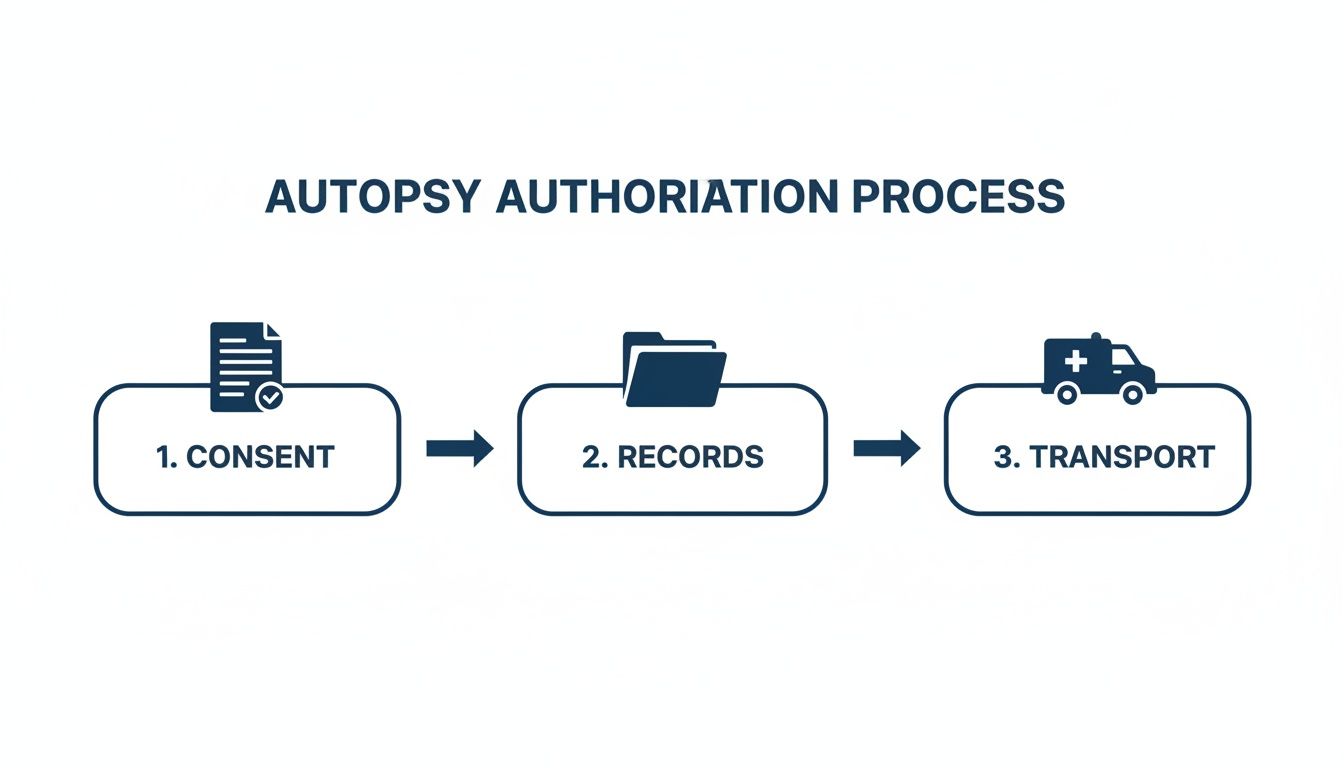
Before any examination begins, several crucial steps must be taken. This initial phase ensures everything is handled legally, ethically, and with the respect the deceased and their family deserve. The most important step is obtaining proper authorization. This isn't just a formality; it’s a legal necessity that ensures the entire procedure of autopsy has the full consent of the family.
Who Can Give Consent in Texas?
Texas law is clear on this matter. The Texas Health & Safety Code, Chapter 711, outlines a specific order of priority for who has the legal right to authorize an autopsy. The authority typically begins with a surviving spouse, then moves to an adult child, then parents, and so on. A key part of my role is to guide families through this process, making sure every legal requirement is met with precision and compassion.
Gathering Medical History and Ensuring Integrity
Once consent is secured, I begin gathering the decedent's medical records. These documents provide vital context about past illnesses, recent hospital stays, and medications. A complete medical history is the foundation of a thorough investigation.
At the same time, we establish a strict chain of custody. This is a formal, unbroken record documenting every person who has had contact with the decedent and any related evidence from the moment they are in our care. This process is critical for maintaining the integrity of the findings, especially if legal questions arise later.
We also coordinate logistics, such as transportation, with sensitivity and professionalism. We work with funeral homes and mortuary services across Texas to ensure transport is handled with dignity. Our partnership with facilities like Waterloo Mortuary helps us maintain a seamless continuity of care in a controlled, respectful environment. This collaboration guarantees that from the initial transport to the return to the family's chosen funeral home, the deceased is treated with the utmost care.
Every step taken before the examination is designed to build a foundation of trust. We handle the legal paperwork, coordinate logistics, and preserve the integrity of the process so families can focus on what matters.
The Autopsy Examination: A Step-by-Step Process
The autopsy process I perform is systematic and precise, designed to capture every detail while maintaining profound respect for the deceased. The examination is divided into two main parts: an external review and an internal one.
The External Examination
Before any incision is made, I conduct a thorough external examination. I begin by carefully documenting the body's condition, noting height, weight, and identifying features like scars or tattoos. I also record any signs of recent medical intervention, such as IV lines or surgical scars, which help build a picture of the person's final hours. Any indication of injury, from a faint bruise to more significant trauma, is photographed and described in detail. These observations often provide the first crucial clues.
The Internal Examination
After the external review is complete, I proceed to the internal examination. This part of the procedure begins with a standard Y-shaped incision across the chest and down to the abdomen. This approach provides a clear view of the thoracic and abdominal organs and is designed to be easily closed, allowing for an open-casket funeral if the family wishes.
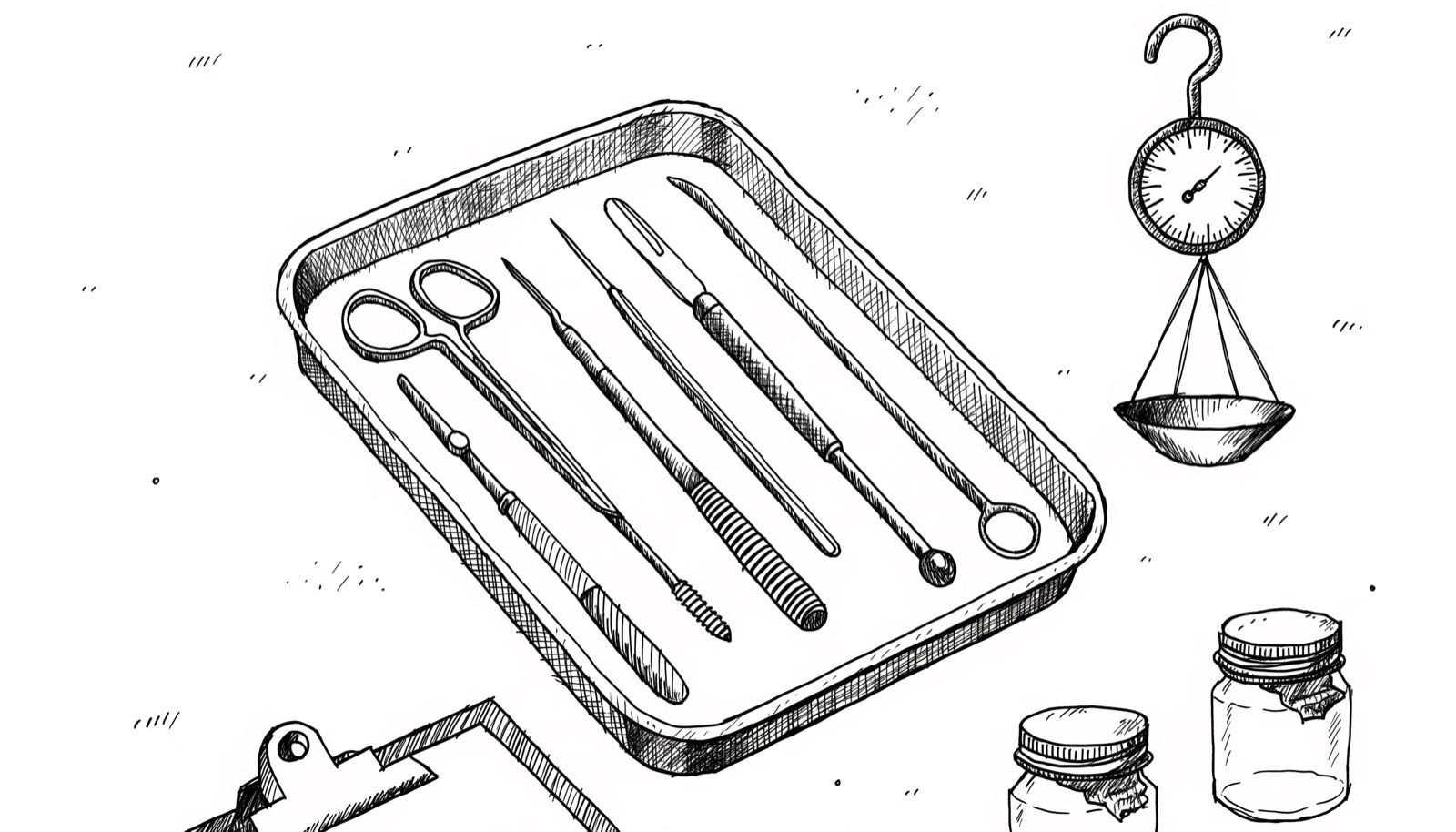
I first examine each organ system as it rests in the body—what we call examining in situ—to observe their relationships. Afterward, each organ is removed, weighed, measured, and carefully dissected to look for any signs of disease, abnormality, or injury. It’s a systematic method that ensures nothing is missed.
The core of the procedure of autopsy is this systematic investigation. It’s not just about finding a single cause of death but about building a complete medical picture of the person's final moments.
Defining Cause and Manner of Death
Throughout this process, my goal is to answer two fundamental questions:
- Cause of Death: This is the specific injury or disease that directly led to death. A myocardial infarction (heart attack) is a classic example of a cause of death.
- Manner of Death: This is the legal classification explaining how the death occurred. There are five categories: natural, accident, suicide, homicide, and undetermined.
The internal examination provides the concrete medical evidence to determine the cause. For instance, finding a severely blocked coronary artery confirms a heart attack occurred. Every finding is documented in painstaking detail to build a comprehensive report that gives families clear answers. You can learn more in our detailed guide on the step-by-step autopsy process.
Ancillary Studies: Microscopic and Chemical Analysis
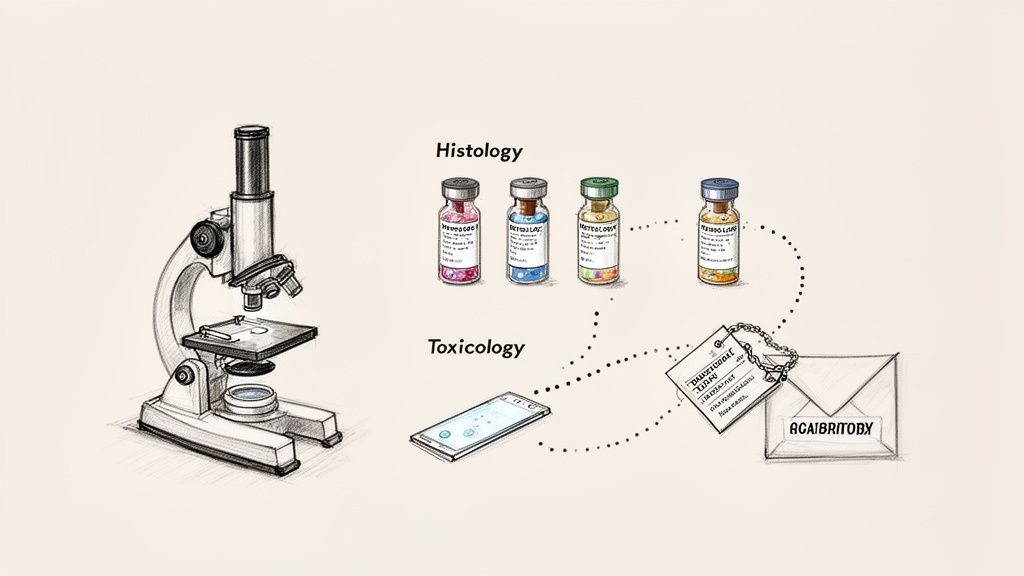
While the external and internal exams provide a great deal of information, the full story isn't always visible to the naked eye. Sometimes, the cause of death is hidden at a microscopic or chemical level. That’s why collecting tissue and fluid samples for deeper analysis is a standard part of the autopsy procedure. These tests can confirm suspicions, uncover unknown conditions, and provide definitive answers.
Histology: The Story Tissues Tell
One of the most powerful tools in my field is histology, the study of tissue under a microscope. I take small sections of tissue from key organs like the heart, lungs, liver, and brain. These samples are preserved, stained with special dyes to make cellular structures visible, and placed on glass slides.
Under the microscope, I can identify subtle, cellular-level damage from a heart attack, spot the earliest signs of cancer, or find faint traces of inflammation that point to an infection. It's an essential layer of detail.
Toxicology: Finding Answers in Fluids
The other crucial piece of the puzzle is toxicology, which analyzes bodily fluids for the presence of drugs, alcohol, poisons, or other chemicals. I collect samples of blood, urine, and sometimes other fluids like the vitreous humor from the eye. These are sent to a specialized lab for testing.
Toxicology results can determine:
- If prescription medications were present and at what levels.
- Whether alcohol or illicit drugs played a role in the death.
- If the person was exposed to a poison or environmental toxin.
This is especially important in cases of sudden, unexplained death in an otherwise healthy individual. Our guide on post-mortem toxicology explains this process in more detail.
Each sample is meticulously collected, labeled, and preserved. We maintain a strict chain of custody from the moment of collection until the final analysis is complete. This precision is non-negotiable; it ensures the evidence is reliable and can stand up to legal scrutiny.
The Final Report and Returning Your Loved One
Once the physical examination is complete and all samples have been collected, my work transitions into two final phases. The first is to ensure the deceased is treated with dignity and prepared for their family. The second is to compile all the evidence into a clear, comprehensive final report.
My highest priority is treating the deceased with respect. I meticulously close all incisions and prepare the body to be released to the family's chosen funeral home. We handle this step with the same care as the examination itself, ensuring families can move forward with their plans, including an open-casket viewing if they wish.
Compiling the Final Autopsy Report
The final autopsy report is a formal, detailed medical-legal document that combines all the evidence into a coherent narrative. This single document includes:
- A summary of the person's medical history.
- Detailed notes from the external and internal examinations.
- Microscopic findings from histology.
- Complete results from all toxicology tests.
This isn't a quick process. While autopsy rates have declined, their importance in medicolegal cases has grown, with studies showing external causes now make up a majority of autopsies in the U.S. You can learn more about these autopsy procedural trends from global health data.
Timeline and What to Expect
I can only begin compiling the final report once all lab results are back. This can take several weeks, as toxicology and histology are highly specialized. When they are complete, I draft the report, which provides the definitive cause and manner of death, written to be clear enough for a family member to understand yet precise enough for a courtroom. The final report is the story of a person’s final chapter, told with scientific accuracy and respect. It provides the answers families need for closure and the facts attorneys need for their cases.
Frequently Asked Questions About the Autopsy Procedure
Over the years, I've spoken with countless families and attorneys navigating this process for the first time. It's natural to have questions, and I hope to provide some clear answers to the most common ones.
How Long Does an Autopsy Take?
The physical examination itself typically takes two to four hours. However, complex cases involving extensive trauma or a need for detailed forensic evidence collection can take longer. The full process, including specialized lab analyses like toxicology, means the final report is usually available several weeks after the examination.
Will an Autopsy Prevent an Open-Casket Funeral?
No, it should not. As a forensic pathologist, I perform every examination with great care for the deceased. All incisions are made discreetly and are carefully closed. I coordinate with funeral directors to ensure that the body is suitable for a traditional viewing, respecting the family's wishes.
What Is the Difference Between a Hospital Autopsy and a Private Autopsy?
The primary difference is purpose and independence. A hospital autopsy is typically performed by a staff pathologist to understand a known disease or for quality assurance. Its scope may be limited to specific questions about the patient's treatment. A private autopsy, like the services I provide at Texas Autopsy Services, is an independent investigation requested by the family or their legal counsel. The goal is to obtain an unbiased, objective determination of the cause and manner of death.
How Much Does a Private Autopsy Cost in Texas?
The cost of a private autopsy depends on the specific circumstances of each case, such as the need for extensive toxicology testing or transportation over long distances. My practice is built on transparency, and I provide clear, all-inclusive pricing with no hidden fees. The best way to get an accurate cost is to call my office for a confidential consultation where we can discuss your specific needs. Research has repeatedly affirmed the value of autopsies, which continue to correct causes of death and provide essential data for public health, as detailed in studies about autopsy's evolving role in mortality statistics.
If you need clear, compassionate answers during a difficult time, my team at Texas Autopsy Services is here to provide guidance. Please feel free to reach out to our office for a confidential discussion about your specific needs.
Contact Texas Autopsy Services for a Confidential Consultation