February 18, 2026 · Texas Autopsy Services
What Does a Pathologist Do? Anatomic, Clinical, Forensic
Discover what does a pathologist do from a board-certified expert. Learn how forensic pathologists uncover the truth and provide clarity for families.
On this page
When a loved one dies unexpectedly, the search for answers can be overwhelming. As a forensic pathologist, my work is to provide those answers through a careful, scientific investigation. It isn't like what you see on television. My role is to be a medical expert who offers clarity and objective truth for families and legal professionals during a difficult time.
After performing more than a thousand autopsies, I’ve seen firsthand how a comprehensive, independent examination can provide not just a cause of death, but also peace of mind.
TL;DR: What to Know
- A private autopsy is an independent medical examination requested by a family or their legal counsel to determine an exact cause and manner of death.
- The process is performed by a board-certified forensic pathologist to provide objective, unbiased findings separate from a public investigation.
- Every examination is conducted with the utmost respect for the deceased and is fully compliant with Texas law.
- Families receive a confidential, detailed report that can answer critical questions about medical history, potential misdiagnosis, or circumstances surrounding a death.
The Unseen Doctor Answering Critical Questions
While I don't often meet patients face-to-face, my work is central to their care. The final diagnosis on a lab report that guides a cancer patient's treatment comes from a pathologist. The cause of death on a certificate that provides a family with long-sought answers is my responsibility, too.
My findings have significant implications. A single diagnosis from a tiny tissue sample can set the course for a person's entire medical journey. In the same way, the work I do in a private autopsy can uncover a genetic condition that saves the lives of surviving relatives or provide a key piece of evidence in a complex legal case. It’s a heavy responsibility, but one grounded in science and a commitment to clarity.
The Two Fundamental Branches of Pathology
Pathology is a vast field, but it boils down to two core disciplines. Understanding both is key to my role and why this background is so critical for a thorough investigation.
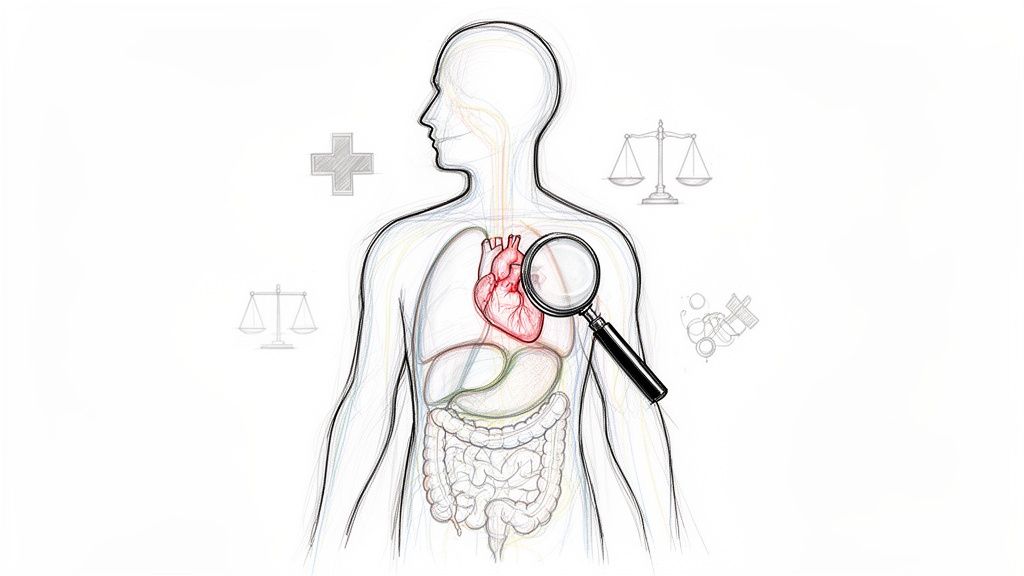
Anatomic Pathology: This is the study of the body's structure. It involves examining organs and tissues, both with the naked eye and under a microscope. When I analyze a biopsy for cancer or inspect the heart during an autopsy, I'm working as an anatomic pathologist.
Clinical Pathology: This side of the field focuses on the chemistry of the body. It’s the science behind blood work and other lab tests, measuring things like cholesterol levels, red blood cell counts, and signs of infection in bodily fluids.
As a forensic pathologist, my expertise covers both. I am board-certified by the American Board of Pathology in Anatomic Pathology, Clinical Pathology, and the subspecialty of Forensic Pathology. This triple certification is crucial because it allows me to connect the dots—linking physical evidence with chemical data from toxicology reports to build a complete and accurate picture. This comprehensive approach is fundamental to providing unbiased answers, and tools for AI medical documentation are becoming more important in managing this information effectively.
The Two Worlds Of Pathology: Anatomic And Clinical
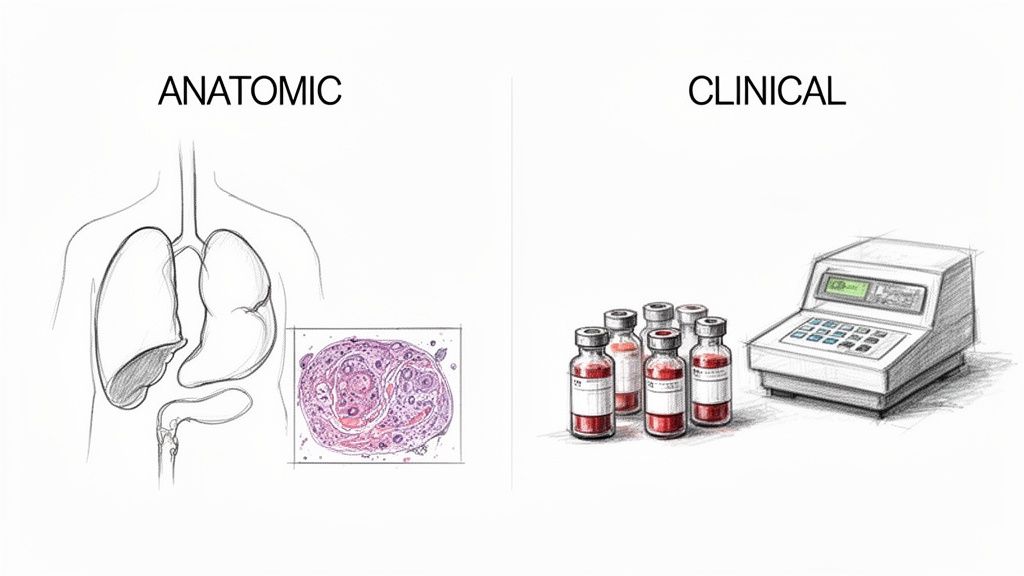
To understand what a pathologist does, you have to know that the profession is split into two connected disciplines. My own work is built on a deep foundation in both anatomic and clinical pathology. This dual background isn't just for show; it’s absolutely essential for seeing the complete diagnostic picture.
You can think of it this way: one part of my job is to be a structural inspector for the human body. The other part is to act as its chemical engineer. If you don't master both, you risk missing critical clues that lead to incomplete or even wrong conclusions.
Anatomic Pathology: The Body’s Structural Inspector
Anatomic pathology is about the body's physical structures, from large organs down to a single cell under a microscope. When a surgeon removes a tumor, an anatomic pathologist studies that tissue to determine if it’s cancerous, how aggressive it is, and if the surgeon removed it all.
This side of the field answers questions about physical form and disease. During a private autopsy, for example, I perform a detailed examination of every organ system. I’m looking for structural problems—a blocked coronary artery, damage from a hidden disease, or subtle signs of trauma that you can’t see with the naked eye. It’s a painstaking process of observation and analysis.
Anatomic pathology gives us the "what" and "where" of a disease. It points to which organ failed or which tissue was injured, providing a direct, physical explanation for a medical event.
This work demands an incredible understanding of human anatomy and the countless ways diseases can change it. This is where we find the visual evidence that forms the backbone of any cause of death investigation.
Clinical Pathology: The Body’s Chemical Engineer
Clinical pathology, on the other hand, is the world of body chemistry. It’s the analysis of blood, urine, and other fluids to spot disease, track how a treatment is working, and keep patients safe. Every time you have blood drawn for a lab test, the results are analyzed in the realm of clinical pathology.
This field answers questions about function and metabolism. Is there a toxic substance in the bloodstream? Are the kidneys filtering waste properly? Is a bacterial infection causing sepsis? We can only answer these questions by looking at the body’s chemical messengers and byproducts.
In my forensic work, this is especially critical for toxicology testing. Finding prescription drugs, illegal substances, or poisons gives us essential context that a purely physical examination can't provide. A person’s heart might have stopped, but clinical pathology can help us understand why it stopped.
To make this distinction clearer:
Anatomic vs. Clinical Pathology At A Glance
| Aspect | Anatomic Pathology | Clinical Pathology |
|---|---|---|
| Core Function | Examines tissues, organs, and cells for structural abnormalities. | Analyzes bodily fluids for chemical and microbial markers. |
| Sample Types | Biopsies, surgical resections, entire organs during autopsy. | Blood, urine, spinal fluid, and other liquid samples. |
| Primary Goal | To diagnose diseases like cancer and determine physical cause of death. | To monitor disease, assess organ function, and detect toxins. |
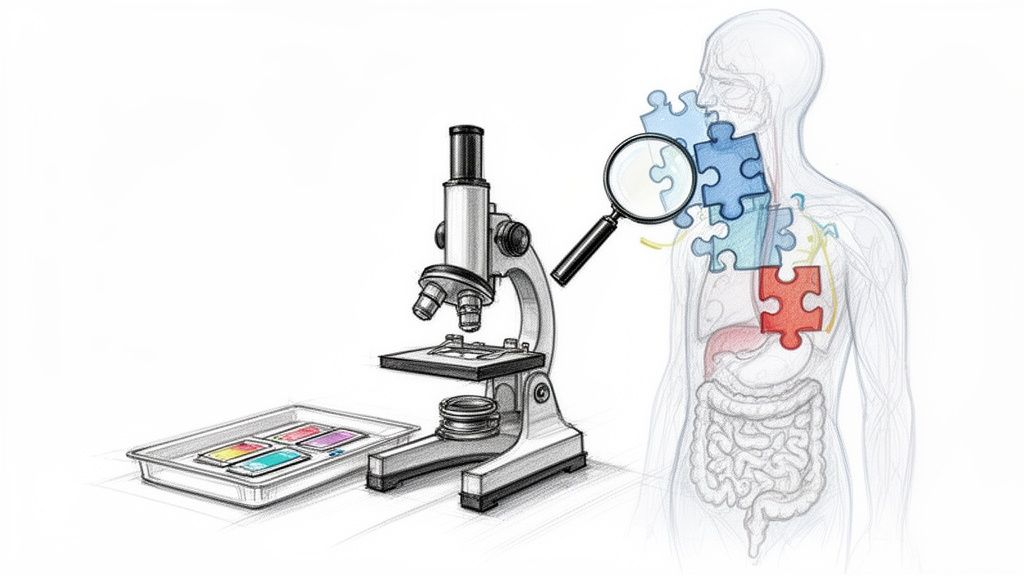
Both sides are needed to solve the puzzle. One tells us what happened structurally, while the other reveals the chemical story happening behind the scenes. The demands of this work require years of dedicated education and a serious commitment to precision. You can find out more about the professional landscape for pathologists and their role in healthcare. My board certification from the American Board of Pathology is what allows me to integrate both of these worlds, providing the comprehensive answers that families and attorneys deserve.
The Role Of A Forensic Pathologist In An Investigation
While my training in anatomic and clinical pathology gives me a broad foundation, my specialty as a forensic pathologist is where I apply that medical knowledge to answer legal questions. I act as a bridge between medicine and the law. My core job is to conduct an objective, scientific investigation into a death to determine exactly what happened.
I'm a physician who specializes in deciphering the story a body tells after death. The evidence I uncover provides crucial facts for families, attorneys, and law enforcement. This work demands complete objectivity and a commitment to the facts, no matter where they lead.
Cause and Manner of Death
In every investigation, my entire process is built around answering two fundamental questions. People often use these terms interchangeably, but they mean very different things.
Cause of Death: This is the specific injury or disease that resulted in death. It could be a heart attack (myocardial infarction), a gunshot wound, or complications from pneumonia. It’s the direct medical reason a person is no longer alive.
Manner of Death: This is the legal classification of how the death came about. There are only five possibilities: Natural, Accident, Suicide, Homicide, or Undetermined.
Determining the manner of death involves putting the cause of death into the context of the circumstances surrounding it. For example, a drug overdose could be an accident, a suicide, or a homicide—it all depends on the evidence.
A Methodical and Objective Process
My work on a case begins long before the physical examination. I start by carefully reviewing all available information, which might include medical records, police reports, and witness statements. This background is vital for knowing what to look for during the autopsy.
The postmortem examination itself is a systematic process. It begins with a detailed external examination to document any injuries, identifying marks, or other physical clues. This is followed by an internal examination, where I weigh, measure, and carefully inspect each organ for any sign of trauma or disease.
Throughout this process, documentation is everything. Every observation is recorded in detail. This meticulous record-keeping creates a chain of custody for all evidence and ensures my conclusions are transparent and can stand up to scrutiny.
In forensic pathology, objectivity isn't just a professional goal; it's a fundamental requirement. My role is to be an impartial expert, providing clear, unbiased medical evidence that can withstand scrutiny in a court of law.
This is why an independent examination is so important. When families or attorneys seek a private autopsy, they’re looking for a fresh, unbiased perspective from an expert who isn't affiliated with any other party in the case. The work of a forensic pathologist provides critical evidence, which enables legal teams to effectively track the progress of a case.
Beyond The Examination Table
The final step is to bring all the information together—from the initial scene report to the microscopic analysis of tissue samples—and synthesize it into one comprehensive report. This document explains the cause and manner of death in clear, precise language.
This report becomes the official record of the medical facts surrounding the death. For families in Texas, it can provide definitive answers and closure. For the legal system, it serves as expert evidence that can shape the course of an investigation or a trial. My duty is to ensure that report is accurate, complete, and grounded entirely in scientific fact.
A Step-By-Step Explanation Of The Autopsy Process
The reality of an autopsy is a quiet, methodical, and deeply respectful process rooted in medical science. My role as a forensic pathologist is to uncover objective truths, and that mission starts with a clear, systematic examination.
Understanding how it works can help demystify the process. Every step is carefully designed to gather information while ensuring your loved one is treated with the utmost dignity.
The Initial Steps: Authorization And Review
Before any examination can begin, the first and most critical step is legal authorization. For any private autopsy, this consent must come from the legal next-of-kin. This is a strict requirement under the Texas Health & Safety Code, and it ensures the family’s wishes are always respected.
Once authorization is secured, my work begins with a comprehensive review of all available records. I'll go through medical histories, reports from first responders, and any other documents that help paint a picture of the individual’s life and the circumstances surrounding their death. This background information is vital for guiding the physical examination.
The External Examination
The hands-on part of the autopsy starts with a detailed external examination. This is a non-invasive visual inspection where I document everything from height and weight to identifying features like scars or tattoos. I also meticulously record any signs of injury or illness visible on the surface of the body. Every detail, no matter how small, is noted because it might become a key piece of the puzzle later.
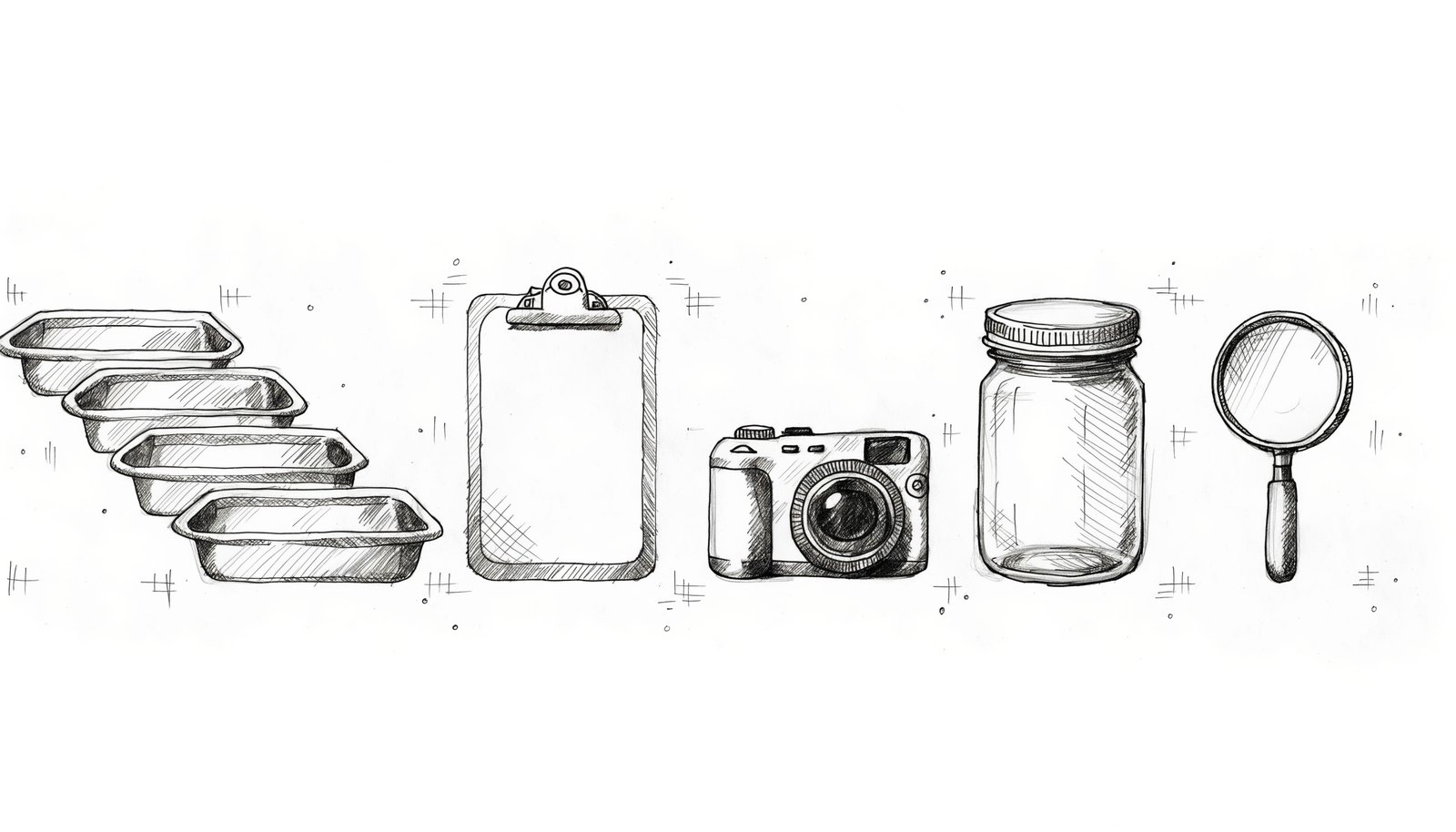
This diagram shows the basic flow of the entire forensic process.
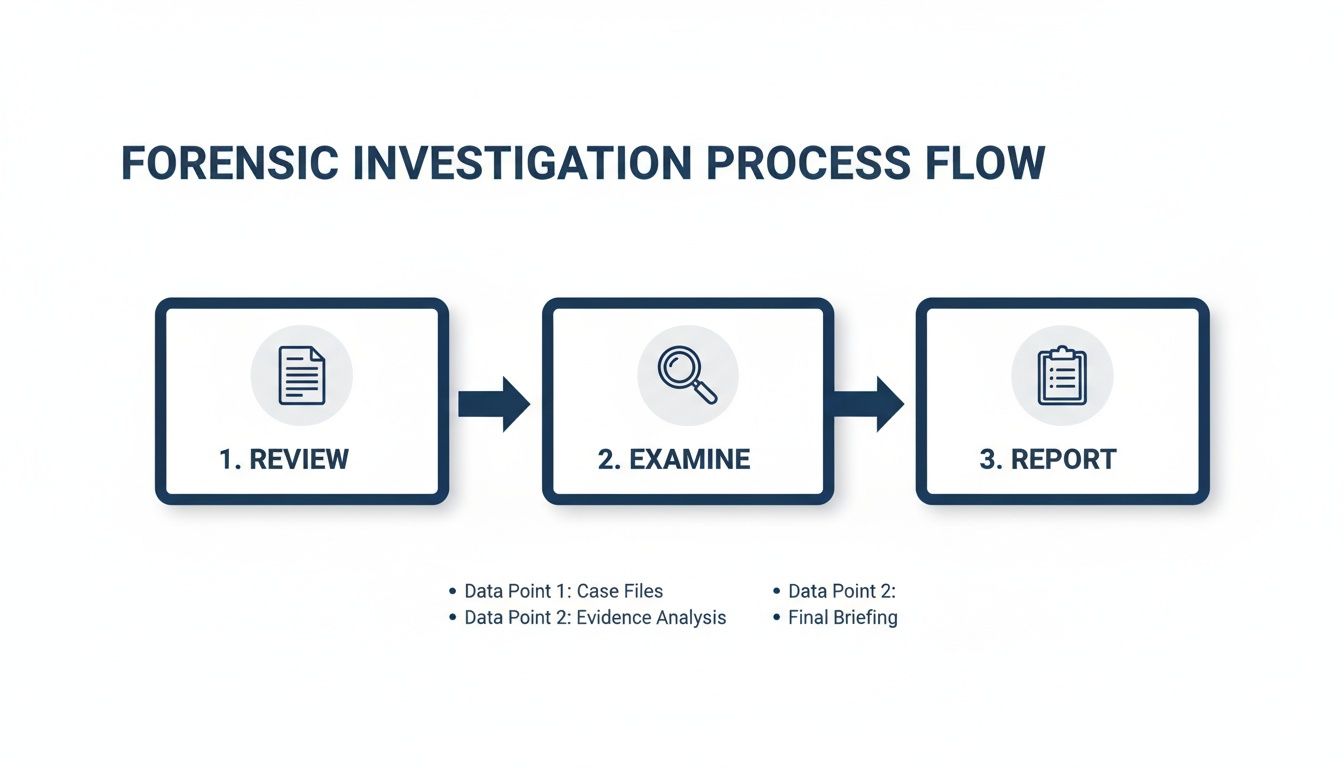
This simplifies my workflow into three core stages: reviewing all background information, performing the detailed examination, and finally, compiling the report with clear findings.
The Internal Examination
After the external check is complete, I move on to the internal examination. This is done with the same precision and respect as any surgical procedure. An incision is made to allow for the examination of all internal organs.
Each organ system—the heart, lungs, liver, and so on—is carefully removed, weighed, and inspected for any signs of disease, injury, or other abnormalities. Here, I'm looking for evidence of conditions like heart disease, cancer, or internal bleeding that aren't visible from the outside.
The point of the internal examination is to get a complete picture of the person's health at the time of death. It's a systematic search for the underlying cause that started the chain of events leading to death.
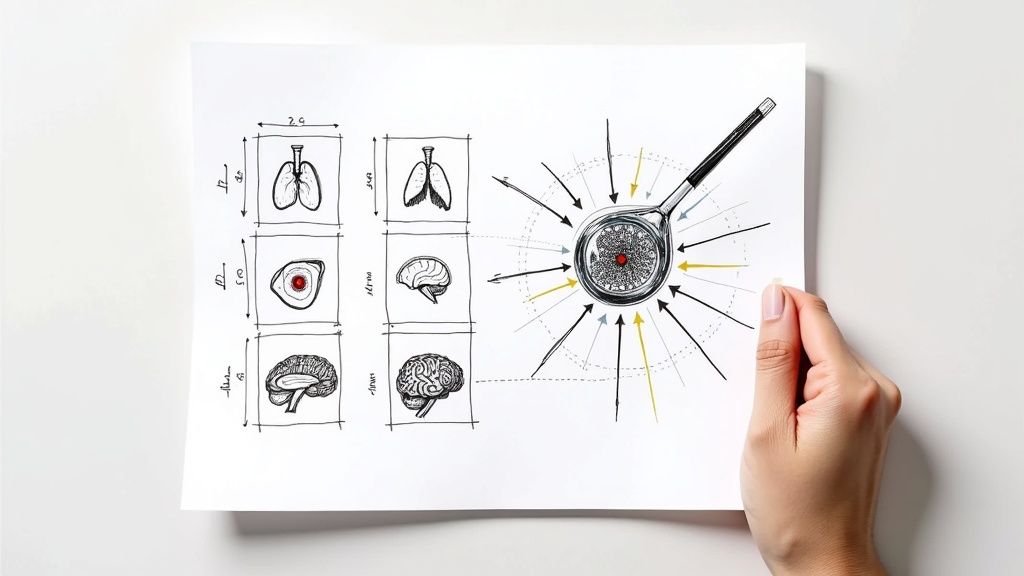
Throughout this process, I collect small tissue samples from each organ. These are preserved and prepared for microscopic examination, which can reveal details at a cellular level that are invisible to the naked eye. This is a crucial part of a thorough autopsy.
Ancillary Studies: Toxicology And Histology
The physical examination tells us a lot, but it’s just one part of the story. To get the full picture, we often need to run additional tests.
- Toxicology: This is the analysis of blood and other body fluids to check for drugs, alcohol, poisons, or other chemical substances. The results can be critical in determining if a substance played a role in the death.
- Histology: This is where I examine those small tissue samples under a microscope. By studying the cells, I can spot diseases like infections, cancers, or subtle tissue damage that can confirm a diagnosis.
These tests provide objective data that supports and expands on the physical findings. The complete autopsy is an intricate procedure, and you can learn more about the detailed procedure of an autopsy. After all examinations and tests are finished, I carefully reconstruct the body. My final duty is to bring all these findings together into one comprehensive report that provides the clear, unbiased answers the family deserves.
The Growing Need For Pathologists In Texas
The work of a pathologist is usually quiet and behind the scenes, but it’s vital for both medicine and justice. Right now, our profession is facing a serious challenge that affects families across the country, and especially here in Texas: a critical shortage of specialists.
This isn’t a problem on the horizon; it’s happening today. We have an aging population and increasingly complex medical cases, which means the demand for pathology services is climbing. At the same time, a generation of experienced pathologists is starting to retire. The result is a widening gap between the number of cases needing answers and the experts available to find them.
This strain is being felt all over the United States. A major professional resource, PathologyOutlines.com, tracked a massive spike in job postings over a short period. In August 2020, there were 308 ads for pathologist jobs nationwide. Just 18 months later, in February 2022, that number exploded to 752—a 144% increase. That’s not just a statistic; it represents real, mounting pressure on our field. You can discover more insights about the pathologist job market and see what’s driving this trend.
What This Shortage Means For Texas Families
Here in Texas, this national problem hits close to home. When county medical examiner offices are understaffed and overloaded, the wait for autopsy reports can stretch for months. This makes it incredibly difficult for families and legal professionals to get the timely, detailed answers they need.
This is where an independent, experienced forensic pathologist can make a difference. Dealing with a loss is hard enough without being stuck in limbo, waiting for answers. A private autopsy offers a more direct path to clarity when the public system is strained.
The current workforce shortage highlights the importance of having dedicated, independent experts available. My role is to provide focused, unbiased analysis precisely when families and their legal counsel need it most, without the institutional delays that can affect larger systems.
The situation also underscores why deep expertise matters so much. With fewer pathologists available, having a board-certified specialist from the American Board of Pathology ensures that no detail is overlooked.
Bridging The Gap With Independent Services
I founded Texas Autopsy Services to help address this growing need. I work directly with families who need private examinations, and I also provide county forensic autopsies for jurisdictions that don't have a full-time forensic pathologist on staff. My mission is simple: to be a reliable, accessible resource for anyone in Texas who needs a definitive cause-of-death investigation.
Common Questions About Pathology and Autopsies
Over the years, I've found that families and attorneys often have the same core questions. When you're dealing with a loss, getting clear, straightforward answers is what matters most.
When is a private autopsy necessary?
A private autopsy is a choice, not a legal requirement. It becomes a crucial step when a family needs definitive answers that an official investigation might not provide. You might consider one if a death was sudden and unexpected, even if the person was under a doctor’s care. It's also a vital tool if you suspect a medical misdiagnosis or have concerns about the care a loved one received. Attorneys also rely on independent autopsies to gather objective medical evidence when the cause of death is central to a legal case.
How is a private autopsy different from a medical examiner autopsy?
The biggest difference is who initiates the process and why. A Medical Examiner (ME) or Justice of the Peace is legally required to investigate certain deaths, such as those due to trauma or suspicious circumstances. Their job is to serve the public interest. A private autopsy, on the other hand, is requested by the family or their legal representative. Its sole purpose is to answer your specific questions. You have direct access to me, the pathologist, and the final report is a confidential document delivered only to you.
What is the typical timeline for an autopsy report?
The physical examination is usually completed in a single day. The final report takes longer because it must include findings from specialized tests, like toxicology and microscopic tissue analysis. The exact timeline depends on the complexity of the case. While I always work to get you answers efficiently, my priority is ensuring the report is accurate and complete. I wrote a detailed explanation on how long an autopsy can take that covers the factors involved.
What are the costs associated with a private autopsy?
Private autopsies are not covered by insurance, so it's an out-of-pocket expense for the family or retaining law firm. The fee reflects the extensive time, resources, and specialized expertise required to perform a thorough investigation. This cost covers the physical examination, analysis of all samples, use of a specialized facility, and the hours I spend compiling a comprehensive report. It's a demanding profession requiring years of education; you can read the full research about pathologist compensation to get a better sense of the professional landscape.
Can an autopsy still be performed if organ donation occurred?
Yes, absolutely. An autopsy can be performed after organ and tissue donation. As a pathologist, I’m trained to conduct a thorough examination while fully respecting the gift the donor has made. The life-saving act of donation doesn't prevent a detailed investigation into the cause of death. I can work around the donated areas to assess the remaining organ systems and still provide clear, definitive answers.
Navigating the loss of a loved one is an overwhelming experience, and searching for answers can add to that burden. If you have questions that weren't answered here, or if you believe an independent autopsy could provide the clarity you need, please don't hesitate to reach out. At Texas Autopsy Services, my team and I are here to guide you through the process with compassion and professionalism. Contact us directly for a confidential consultation. https://www.texasautopsyservices.com