September 5, 2026 · Texas Autopsy Services
Molecular Autopsy: A Guide for Families and Attorneys
Learn what a molecular autopsy is, when it helps after sudden unexplained death, and how genetic testing fits with a forensic autopsy. Practical guidance
On this page
- What a Molecular Autopsy Is and When It Helps
- How a Molecular Autopsy Fits With a Conventional Autopsy
- Types of Genetic and Molecular Tests Used
- How Results Connect to the Forensic Report and Legal Process
- Logistics of Requesting a Molecular Autopsy in Texas
- Limitations, Ethics, and Uncertain Results
- A Family Action Plan After a Genetic Finding
A young person collapses without warning, and the first investigation finds no obvious explanation. Toxicology is unrevealing. The heart appears structurally unremarkable. The family is left with an “undetermined” cause of death, while relatives and attorneys still need to know whether an inherited condition played a role.
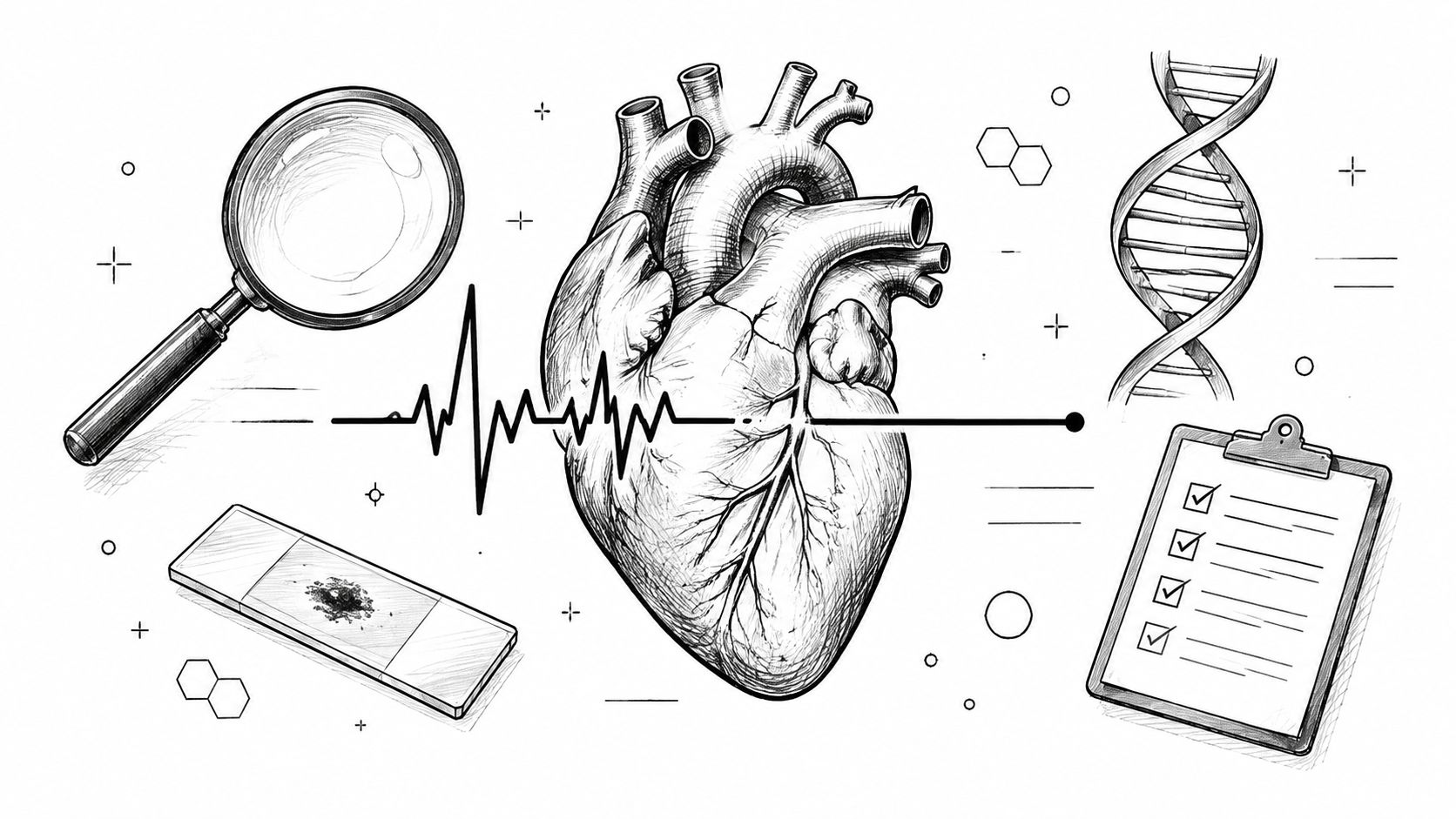
A molecular autopsy can add that missing layer of investigation. It uses postmortem genetic analysis after an autopsy has failed to identify a conclusive cause. The result may clarify the death, identify an inherited risk, or show that current testing cannot establish a genetic explanation. It should never be treated as a promise of certainty.
- It complements a conventional autopsy, rather than replacing examination of organs, tissues, histology, and toxicology.
- Diagnostic yield varies by case and method, from lower results in infant cohorts to higher results in carefully selected sudden unexplained death cases. European Heart Journal review
- A pathogenic finding may matter most for living relatives, because it can support targeted family evaluation and prevention.
- A variant of uncertain significance is not a diagnosis and must be interpreted with the medical history, autopsy findings, and family information.
- Texas families and attorneys need a documented process, including consent, sample preservation, chain of custody, and careful reporting.
What a Molecular Autopsy Is and When It Helps
A young person dies suddenly. The heart looks largely normal, toxicology offers no clear explanation, and the death certificate may remain unresolved. For the family, that uncertainty raises a practical question: could an inherited condition have caused the death?
A molecular autopsy examines postmortem genetic or molecular material, usually preserved blood or tissue, for variants associated with inherited arrhythmias, cardiomyopathies, and other disorders that may leave little or no structural evidence. It adds information to the death investigation. It does not replace the examination of organs, microscopy, toxicology, scene evidence, or medical records.
Testing is most useful when the conventional investigation is negative or nonspecific, particularly in sudden unexplained death in a young person. It may also be considered when the circumstances suggest long QT syndrome, Brugada syndrome, catecholaminergic polymorphic ventricular tachycardia, hypertrophic cardiomyopathy, unexplained drowning, a single-vehicle crash without a clear mechanical explanation, or sudden infant death after structural causes have been excluded.
If the autopsy identifies pneumonia, trauma, intoxication, a ruptured aneurysm, or another sufficient cause, molecular testing may add little. The practical rule is straightforward:
Molecular testing should follow a complete death investigation, not substitute for one.
Results vary by the people tested, the genes examined, the quality of the specimen, and how cases are selected. A 2015 review reported that testing could identify a cause in up to 30% of sudden arrhythmic death syndrome cases. Selected early cohorts reached up to 34%, while later population-based studies using a four-gene approach were closer to 15% to 20%. European Heart Journal review A separate systematic review found a mean yield of roughly 29% in cohorts aged 1 to 45 years, compared with 8.6% in sudden infant death cohorts when case reports were excluded. Systematic review of molecular autopsy studies
After an unexplained death, families can review what molecular testing means after an unexplained death and ask who will obtain consent, preserve the sample, document custody, explain turnaround and cost, and coordinate evaluation if a pathogenic variant is found in living relatives.
How a Molecular Autopsy Fits With a Conventional Autopsy
The genetic work starts after the death investigation has established what happened. The pathologist reviews the circumstances, medical records, external and internal findings, microscopy, toxicology, and family history. Those details determine whether testing may help and which approach fits the case.
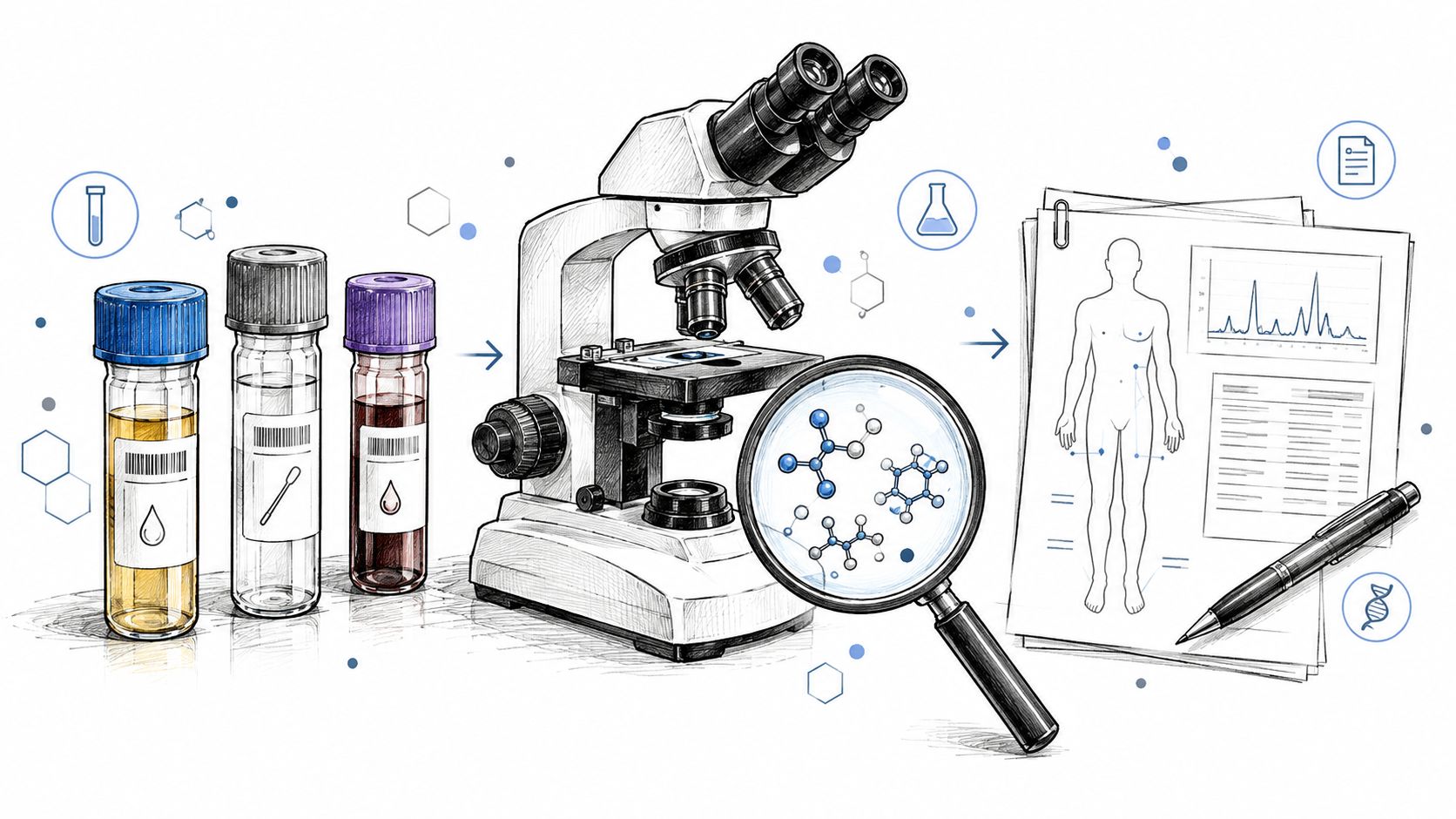
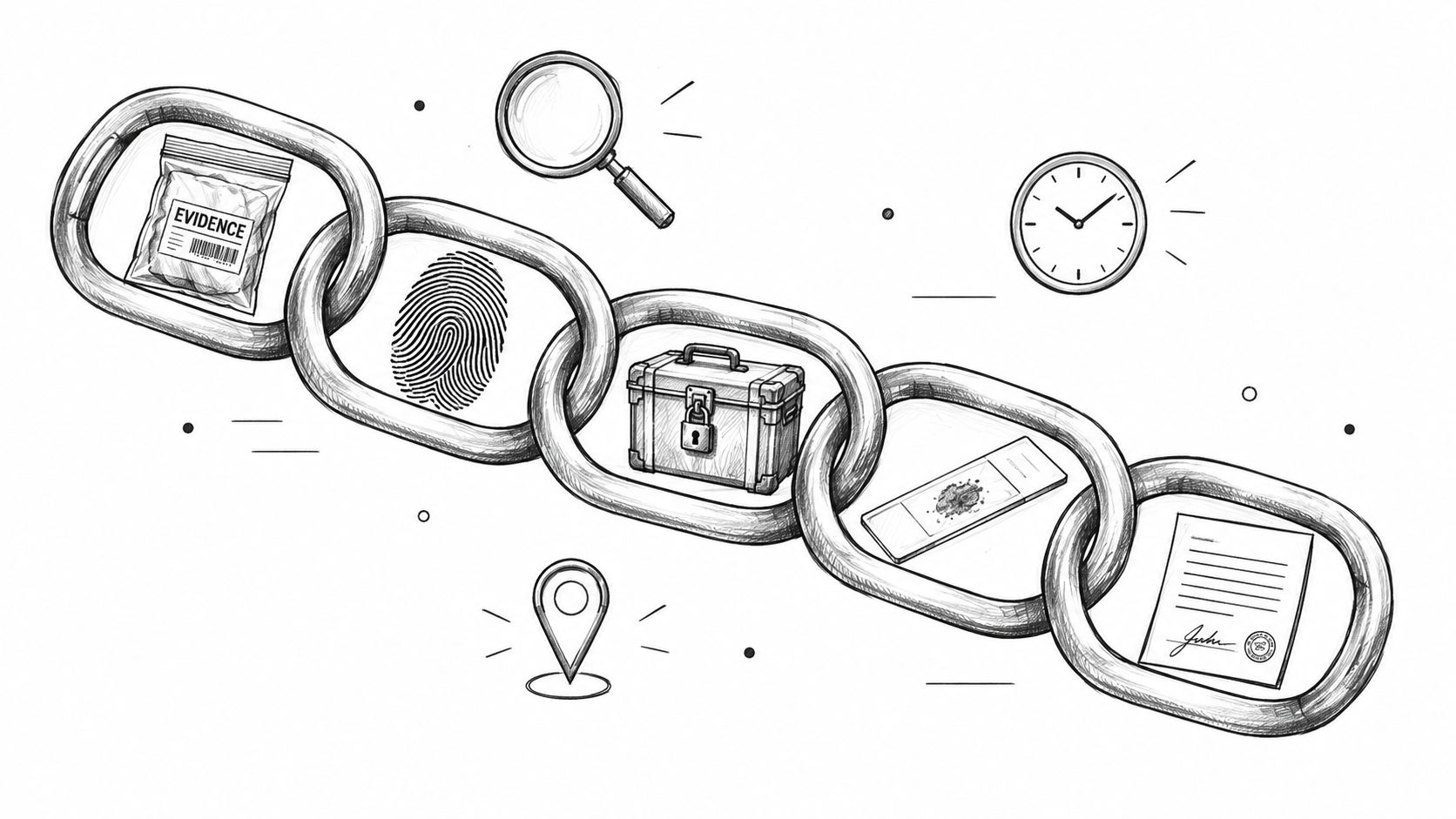
Specimens can include postmortem blood, spleen, liver, heart tissue, or another preserved sample. Collection, labeling, storage, and transfer must be documented under a chain of custody, a continuous record of everyone who handled the specimen. That documentation supports the scientific result and can become important if the findings are later examined in litigation. Families and attorneys should ask who gives consent, who controls the sample, and how the laboratory will report the result.
Laboratory staff assess specimen quality, extract DNA, prepare it for sequencing, and use bioinformatic filters to distinguish potentially relevant variants from common or likely harmless changes. The laboratory classifies the variants, but the forensic pathologist must still decide whether a finding fits the observed phenotype and supports a cause-of-death opinion.
Why the testing platform changes the answer
A focused candidate-gene test may fit a case that points toward one mechanism. A broader sudden-death panel examines more genes linked to arrhythmia and cardiomyopathy. Whole-exome sequencing covers a much wider range of coding regions, while also producing more incidental findings and variants of uncertain significance.
A 2021 review reported an average diagnostic yield of about 20% with classical Sanger sequencing, compared with 35% or more with targeted next-generation sequencing or whole-exome sequencing. Genomics-era review of sudden cardiac death A broader method can detect more possibilities, but each possibility still requires clinical and forensic interpretation.
| Testing Platform | Approximate Yield | Practical Consideration |
|---|---|---|
| Classical Sanger sequencing | About 20% in reported reviews | Narrow scope, usually simpler interpretation |
| Targeted next-generation sequencing | 35% or more in some reviews | Broader panel, more variants to review |
| Whole-exome sequencing | 35% or more in some reviews | Widest coding-region scope, greatest chance of incidental findings |
Turnaround time and cost depend on the laboratory, specimen quality, consent, and the scope of testing. A broader platform may require more review before a report is issued. It also cannot prove that a detected variant caused death by itself.
That conclusion rests on the autopsy, scene evidence, toxicology, and medical history. This forensic autopsy foundation before genetic testing explains why those records remain central when a family or attorney evaluates the final result.
Types of Genetic and Molecular Tests Used
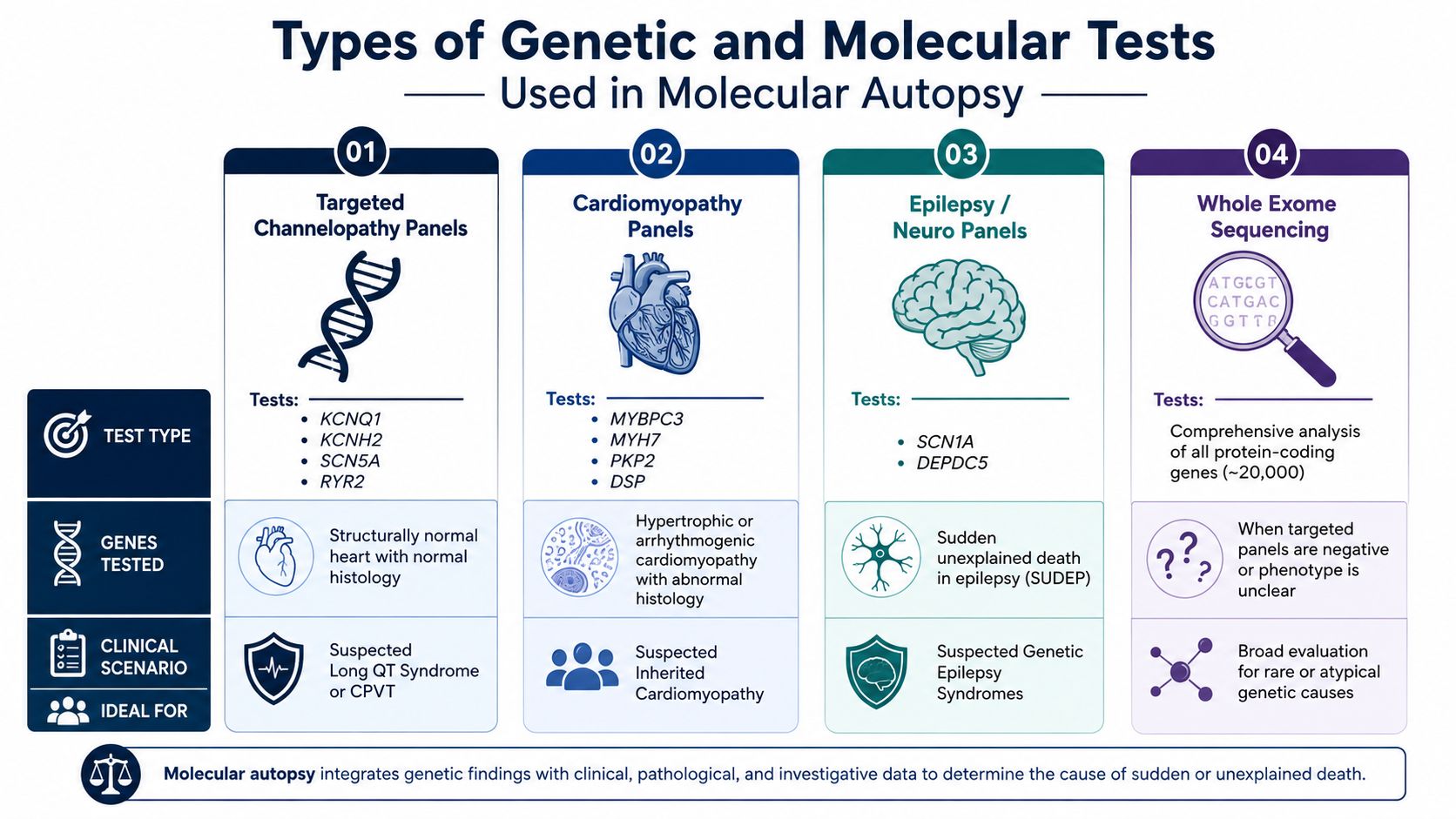
The right test depends on the evidence already present. A structurally normal heart with a sudden collapse points toward a different testing strategy than a heart with marked hypertrophy, fibrosis, or fatty replacement.
Targeted channelopathy testing
Channelopathy panels examine genes associated with electrical disorders. Depending on the suspected mechanism, testing may include KCNQ1, KCNH2, SCN5A, and RYR2. These genes may be relevant when the heart has no clear structural disease and the circumstances suggest long QT syndrome, Brugada syndrome, or catecholaminergic polymorphic ventricular tachycardia.
Cardiomyopathy testing
When the autopsy identifies ventricular hypertrophy, fibrosis, or fatty infiltration, a cardiomyopathy panel may be more appropriate. Representative genes include MYH7, MYBPC3, LMNA, and FLNC. The genetic result still requires correlation with the heart's gross and microscopic appearance.
Infant and neurologic testing
Sudden infant death requires careful integration of the death-scene investigation, medical history, and tissue review. A selected gene set may be considered after structural causes have been excluded. In cases involving possible sudden unexplained death in epilepsy, neurologic testing may be relevant, but the available evidence must be interpreted cautiously.
Expanded sequencing
Whole-exome or whole-genome sequencing may be considered when the phenotype is unclear or a focused panel is negative. Broader testing can identify variants outside the initial suspected mechanism, yet it also increases the burden of secondary findings and variants of uncertain significance. Selection should be phenotype-driven and reviewed with appropriate clinical genetics expertise.
Our overview of molecular genetic testing in postmortem investigations explains why the same panel isn't appropriate for every case.
The most useful test is not necessarily the broadest one. It is the test that addresses the medical question raised by the autopsy and the circumstances of death.
How Results Connect to the Forensic Report and Legal Process
The laboratory report is not the final cause-of-death opinion. It is one piece of evidence that the pathologist must assess alongside the autopsy, toxicology, microscopy, medical history, and family history.
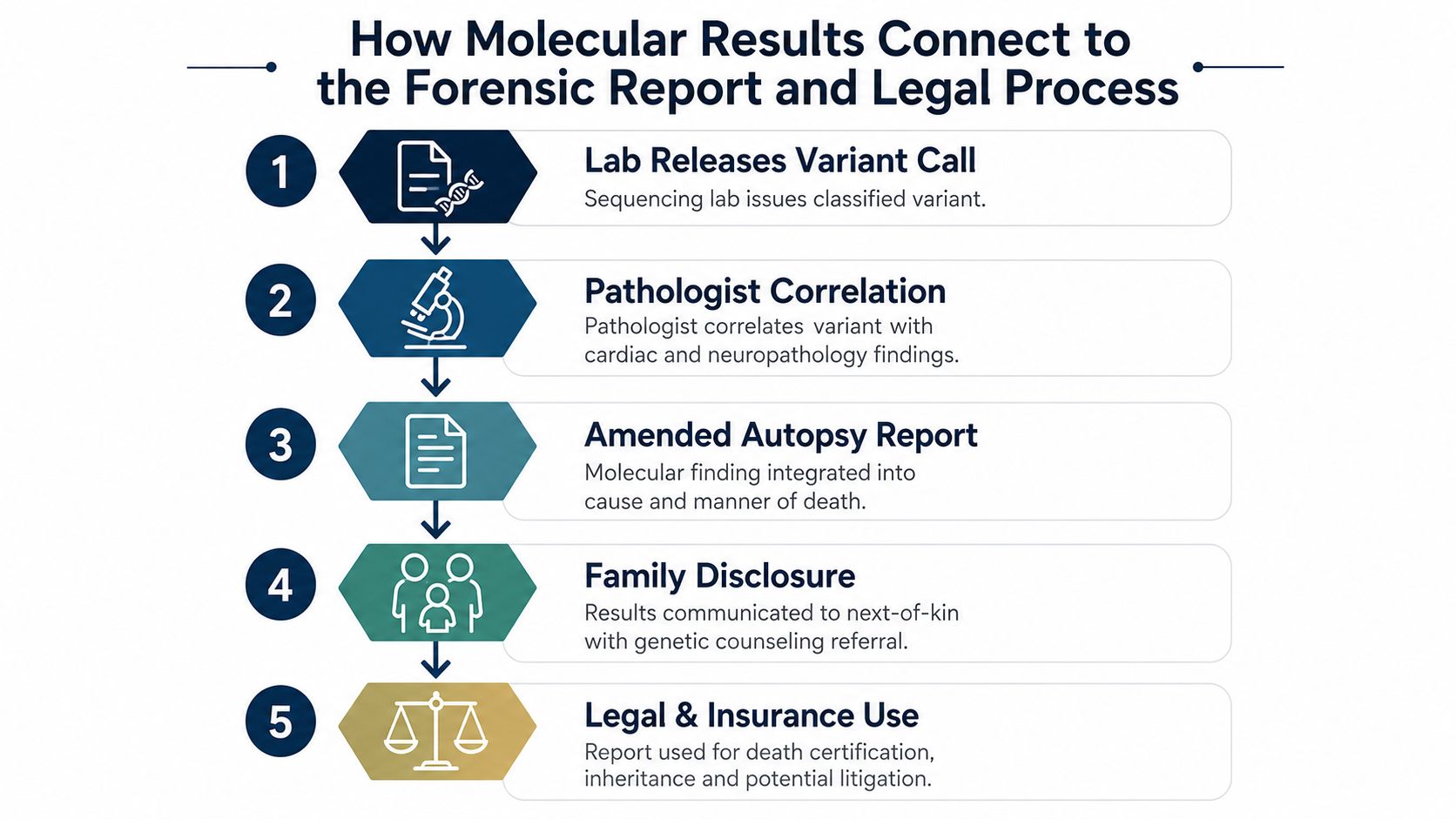
Suppose sequencing identifies a variant classified as pathogenic or likely pathogenic in a gene associated with inherited arrhythmia. The pathologist reviews whether the circumstances fit an arrhythmic death, whether the heart lacks another sufficient cause, and whether clinical or family information supports the interpretation. The final report may then incorporate the molecular finding into the cause-of-death discussion, while stating the limits of the evidence.
A variant of uncertain significance, or VUS, must be handled differently. It signals that the laboratory found a genetic change whose relationship to disease isn't established well enough to prove causation. It should be reported as uncertain, not converted into a definitive explanation because the death was sudden.
Why legal wording matters
A report may be reviewed in probate, insurance, employment, or wrongful-death proceedings. Attorneys need to distinguish a confirmed pathogenic variant from a possible association, and they may use the report with a genetic counselor's interpretation or affidavit when discussing surviving relatives.
Genetic classifications can change as databases and scientific knowledge develop. A later review may therefore lead to an amended interpretation, but an amended report should identify what changed and why. Attorneys working with complex medical records may also find AI for lawyers useful for organizing documents and identifying issues for counsel to evaluate. It doesn't replace forensic or genetic expertise.
The report's strength comes from disciplined correlation. The molecular result matters because it fits, or fails to fit, the whole investigation.
Logistics of Requesting a Molecular Autopsy in Texas
Families or attorneys usually begin with an intake conversation and a review of the available records. The team needs to know whether an autopsy has already occurred, where the decedent is located, which specimens exist, whether the medical examiner or justice of the peace retains jurisdiction, and what question the testing is intended to answer.
Genetic testing requires appropriate authorization. The person who may consent can depend on the circumstances, the decedent's arrangements, the records involved, and the governing Texas authority. Our team explains the consent documents before specimens are released, and records are provided according to applicable authorization and privacy requirements.
The practical sequence
- Case review: The team reviews the death certificate information, autopsy materials, medical history, toxicology, and family history.
- Consent: Authorized representatives sign the required consent for postmortem genetic testing and related disclosure.
- Specimen control: Blood or tissue is collected or identified, labeled, stored, and documented.
- Transport: Licensed transport may be coordinated from a funeral home or medical examiner's office to the appropriate facility or laboratory.
- Laboratory testing: The contracted laboratory performs the selected analysis and issues a report for professional interpretation.
- Report integration: The pathologist correlates the finding with the autopsy and communicates the result through the agreed reporting process.
Acceptable material may include EDTA blood, fresh-frozen heart tissue, or a buccal sample, depending on availability and laboratory requirements. Postmortem degradation can affect testing, so early discussion about specimen preservation matters. Families should ask whether the quoted fee includes specimen handling, laboratory charges, interpretation, amended reporting, and communication of results.
| Logistics Element | Typical Detail |
|---|---|
| Intake | Review of circumstances, records, autopsy findings, and available samples |
| Consent | Authorization for postmortem genetic testing and result disclosure |
| Chain of custody | Documentation from collection through laboratory receipt |
| Sample types | Blood, preserved tissue, or buccal material, subject to laboratory requirements |
| Turnaround | Varies by specimen quality, test type, laboratory workflow, and interpretation |
| Pricing | Ask whether the quote is flat-rate and all-inclusive or separates laboratory charges |
| Records | Release depends on authorization, privacy requirements, and the responsible agency |
Most cases may be completed within 24 to 48 hours for the examination phase when circumstances permit, but genetic laboratory analysis takes longer and no fixed turnaround should be promised. Texas Autopsy Services can discuss whether molecular testing can be incorporated into a private autopsy or second-opinion review, with communication handled directly by the team.
Limitations, Ethics, and Uncertain Results
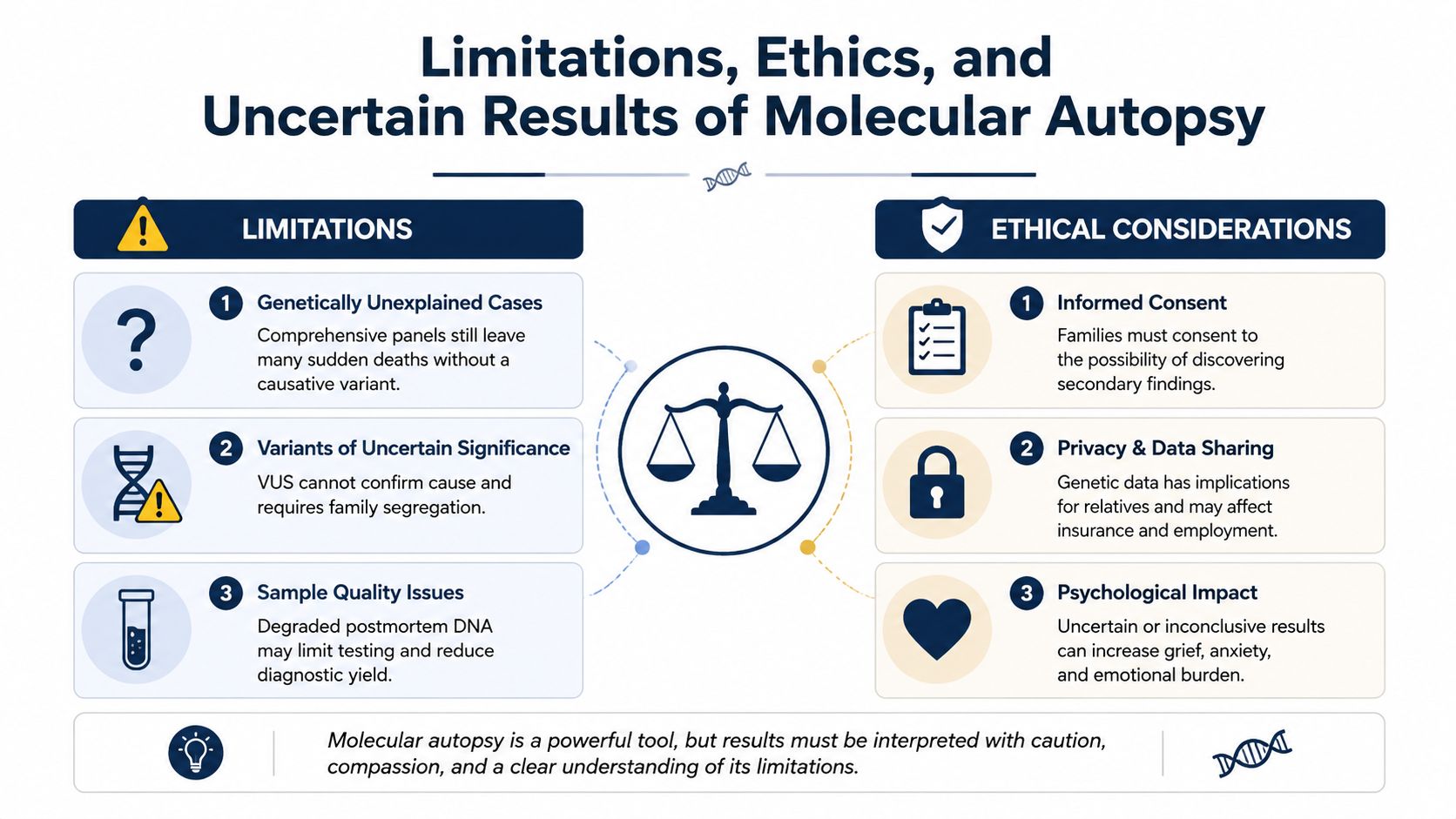
A molecular autopsy may identify an important variant while leaving the cause of death unresolved. In sudden unexplained death, postmortem testing finds a pathogenic or likely pathogenic variant in about 13% of cases under ACMG-style classification. Study of postmortem genetic testing and diagnostic yield The yield changes with the clinical picture. One study reported such a variant in 32% of deaths with findings suggesting cardiomyopathy, compared with 3% when autopsy findings were nonspecific.
A broader panel also increases the chance of an uncertain result. A VUS cannot establish the cause of death, and testing relatives should not be used to convert an uncertain finding into a diagnosis. Poor sample quality, incomplete knowledge of disease genes, and limited medical information can each reduce the result's value.
The family consequences
A pathogenic result can help living relatives, but disclosure requires planning. First-degree relatives may need genetic counseling, cardiac evaluation, and guidance about privacy, insurance, or employment concerns. Families and attorneys should also clarify who may receive the report, how consent was documented, and whether the laboratory can explain the finding after release. Reviews identify ongoing gaps in consent, communication, counseling, and bringing at-risk relatives back into care. Review of postmortem genetic testing and family follow-up
Cost and access can limit the practical benefit. A technically valid result does not guarantee timely access to a genetic counselor or a specialist who can translate it into a prevention plan. That gap is an ethical problem, not merely an administrative inconvenience.
The responsible conclusion may be “genetic cause not established.” That wording is more accurate than assigning causation to an uncertain variant.
The finding cannot change the decedent's outcome. Its value may lie in clarifying the investigation and helping relatives decide whether targeted evaluation is appropriate. A recent systematic review emphasizes that diagnostic yield depends on ACMG-based interpretation, gene selection, genomic architecture, and sample quality. 2026 systematic review and meta-analysis Families should ask who will interpret the result, how limitations will appear in the report, and what follow-up is available if a pathogenic variant is identified.
A Family Action Plan After a Genetic Finding
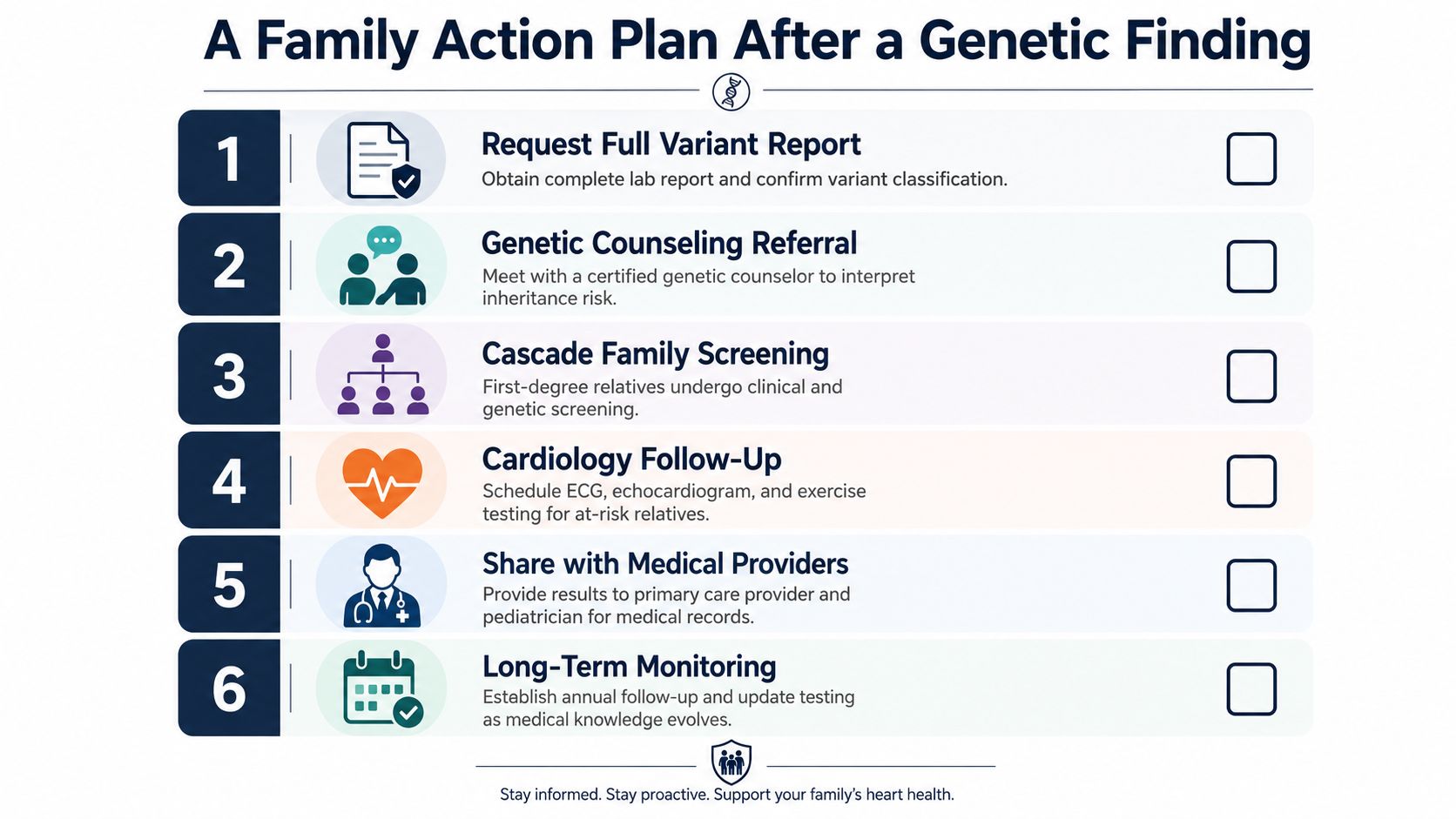
A pathogenic or likely pathogenic result should lead to an organized family response, not a rushed series of internet searches. The first task is to obtain the complete laboratory report, including the exact variant, classification, gene, laboratory interpretation, and any stated limitations.
Six practical steps
Request the full report. Confirm the classification with the issuing laboratory or the professional team interpreting the result. Keep the report with the autopsy and death-certificate records.
Arrange genetic counseling. The next of kin should receive professional help interpreting inheritance, uncertainty, privacy, and the difference between a pathogenic finding and a VUS. The timing depends on access and family circumstances, and counseling should occur before relatives make testing decisions.
Begin cascade testing. First-degree relatives may be offered a targeted assay for the known familial variant rather than an entirely new broad panel. This approach asks a focused question, whether the relative carries the specific finding already identified in the family.
Share the result with the right clinician. Each relative should provide the report to a primary care physician, cardiologist, pediatrician, or other appropriate specialist. The clinician decides what evaluation is medically appropriate.
Preserve records for future decisions. Families should retain the laboratory report, amended reports, counseling notes, and relevant autopsy documents. Questions about life insurance, disability coverage, estate planning, or disclosure should be directed to qualified legal and financial professionals.
Revisit the cause-of-death opinion. A specialist should correlate the variant with the heart, nervous system, toxicology, circumstances, and family history. A genetic result must not stand alone.
Evidence shows why relatives shouldn't be overlooked. In some channelopathy cohorts, approximately 25% to 40% of first-degree relatives carry the familial variant. Review of molecular autopsy and family screening That range doesn't predict an individual family's result, but it supports timely, targeted counseling and testing when a pathogenic variant has been established.
A molecular autopsy can be one part of a careful cause of death investigation, especially after a sudden unexplained death with a possible inherited mechanism. Texas Autopsy Services provides private autopsy reviews, specimen coordination, forensic reporting, and discussion of molecular testing for appropriate cases across all 254 Texas counties. If you need help understanding whether testing fits your circumstances, visit Texas Autopsy Services to contact our team directly and discuss the records, authorization, and next steps with dignity and clarity.