April 29, 2026 · Texas Autopsy Services
Unknown Cause of Death: A Guide for Texas Families
When faced with an unknown cause of death, Texas families have options. We explain the process and how a private autopsy can provide answers.
On this page
- A Difficult Moment An Unanswered Question
- What an Unknown Cause of Death Finding Means
- The Forensic Investigation A Process of Elimination
- Advanced Diagnostic Tools to Uncover the Truth
- Understanding Legal and Procedural Rules in Texas
- Next Steps for Families Attorneys and Clinicians
- Frequently Asked Questions about Private Autopsies
When a death certificate says undetermined or unknown cause of death, families often feel frozen in place. The loss is real, but the explanation is missing.
- An unknown cause of death is a legitimate medical finding, not a careless one. It means the available evidence did not support a specific conclusion.
- A deeper investigation may still help. Standard autopsy findings, toxicology, tissue microscopy, records review, and in some cases genetic testing can clarify difficult cases.
- The forensic process works by elimination. We rule out trauma, intoxication, infection, natural disease, and other possibilities using a structured method.
- Texas families can seek an independent autopsy when they need a second opinion or when no official autopsy was performed.
- Advanced testing matters in select cases. Molecular autopsy and genetic testing can identify a cause in 10-35% of sudden death cases that remain unexplained after a traditional autopsy, according to this review on molecular autopsy.
A family usually reaches me after a phone call that changed everything. A loved one died suddenly. The funeral home is asking for decisions. An attorney is asking for records. The death certificate arrives, and instead of an answer, it says something like undetermined.
That language can feel cold, but the problem it describes is very human. Families want to know what happened. Clinicians want to know whether a hidden disease was missed. Attorneys need medically defensible facts. In my work as our forensic pathology team, a board-certified forensic pathologist, I’ve seen how often the hardest part is not only the loss itself, but the uncertainty that follows it.
Unknown findings are not rare in stressful systems or difficult cases. During the COVID-19 pandemic, from January through September 2020, an estimated 77,054 excess deaths in the United States were categorized as unexplained, representing over 25% of the total change in all-cause mortality during that period, according to this analysis of NCHS mortality data. That does not mean every unexplained death can be solved. It does mean uncertainty is a real part of death investigation, and it deserves careful, disciplined work.
A Difficult Moment An Unanswered Question
I often speak with families at the point where grief and paperwork collide. They are trying to notify relatives, make funeral decisions, and answer practical questions, yet the central question remains open. They still don’t know why the person died.
In that setting, the phrase unknown cause of death carries more weight than people expect. It can delay insurance review, complicate estate questions, and leave surviving relatives unsure whether there may be an inherited medical risk. It also changes how people remember the last hours of a loved one’s life. Without a cause, every detail starts to feel suspicious or unfinished.
An unanswered death is not only a medical problem. It becomes a family problem, a legal problem, and sometimes a public health problem.
My role in these cases is not to promise certainty where science can’t support it. My role is to examine the death with precision, document what is present and what is absent, and explain the conclusions in plain language. That distinction matters. Families deserve honesty, not false reassurance.
I’ve performed over 1,000 autopsies across adult, pediatric, and complex forensic cases. The pattern is familiar. Many cases that begin with uncertainty can be clarified by a more disciplined review of records, scene information, internal findings, laboratory testing, and microscopic examination. Some remain unresolved even after that work. When that happens, the most important obligation is to say so clearly and support that conclusion with evidence.
What an Unknown Cause of Death Finding Means
An unknown cause of death finding means that the available medical and investigative evidence did not identify a single specific disease or injury responsible for death. It is a scientific conclusion. It is not shorthand for indifference.
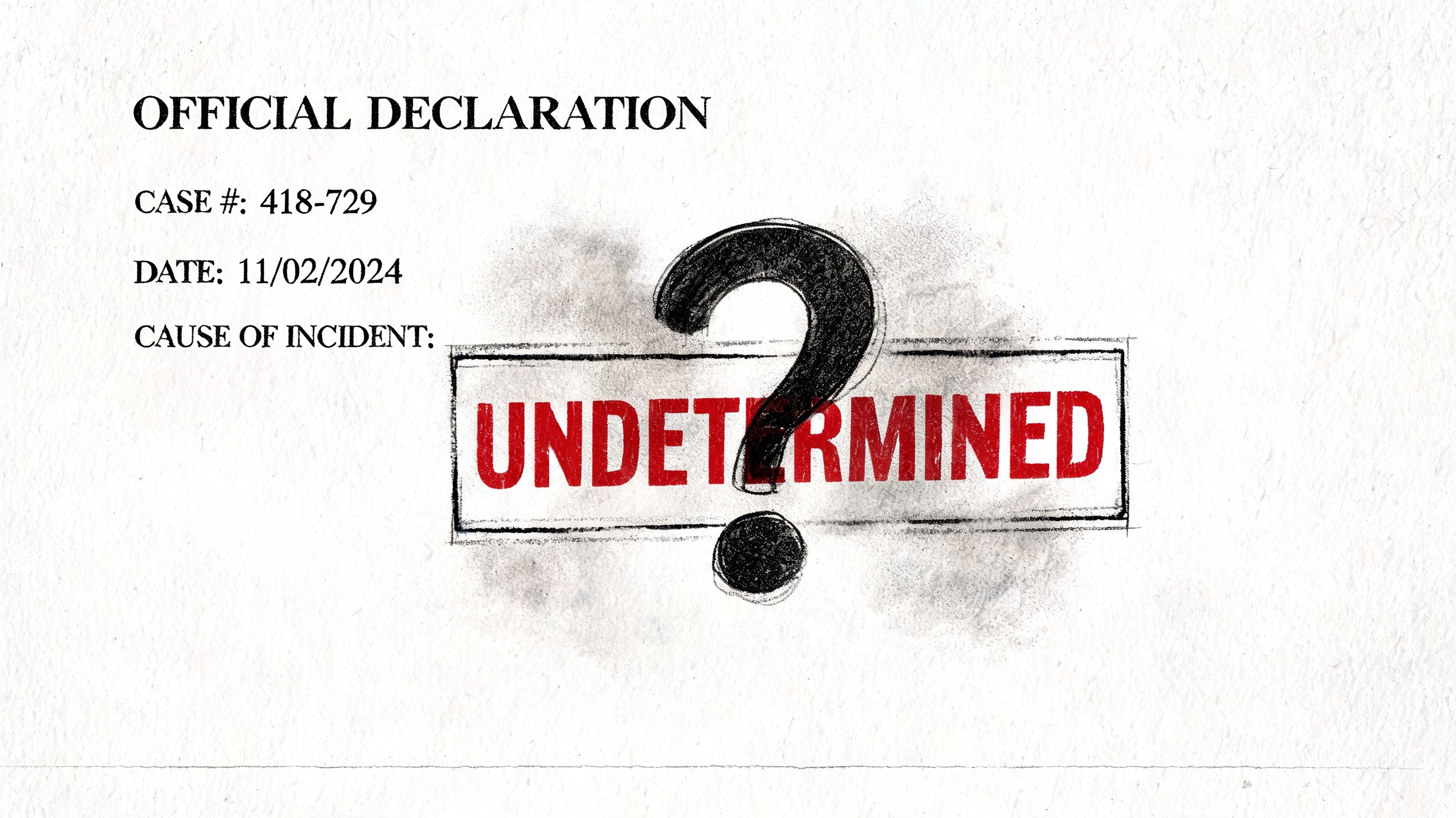
Cause of death and manner of death are not the same
Families are often given these terms without explanation.
| Term | Plain-language meaning |
|---|---|
| Cause of death | The specific disease or injury that caused the person to die |
| Manner of death | The legal-medical category used to classify the death, such as natural, accident, suicide, homicide, or undetermined |
| Chain of custody | The documented handling of samples and evidence so the integrity of the case can be defended later |
A death may have a known manner but a difficult mechanism, or a possible medical mechanism but an uncertain manner. In some cases, both remain unsettled. Precision matters because death certificates are legal documents as well as medical ones.
Why some deaths stay unexplained
Even after a full standard workup, some deaths remain unresolved. A systematic review of adult sudden death protocols found that approximately 19% of sudden death cases remain medically unexplained after a standard autopsy, toxicology, and scene analysis, as described in this review of sudden death investigation protocols.
That happens for several reasons:
- Rapid natural deaths: Some lethal cardiac rhythm disorders can kill without leaving obvious structural changes.
- Decomposition: Tissue breakdown can erase or distort evidence.
- Fragmentary or skeletal remains: Soft tissue findings may no longer be available for evaluation.
- Limited early information: If scene details, witness accounts, or medical records are incomplete, interpretation becomes harder.
If you’ve seen the word deferred before final certification, that usually means the investigation is still open while testing or review continues. I explain that process in more detail in this discussion of what deferred means on a death certificate.
Practical rule: “Undetermined” does not always mean “nothing was found.” It often means findings existed, but they did not support one defensible conclusion over the alternatives.
What does not work
Families are often told to rely on instinct, internet searches, or isolated lab values from the final hospital visit. That usually creates more confusion.
What works is correlation. The body, the records, the scene, the laboratory findings, and the timeline all need to fit the same explanation. If they don’t, a careful pathologist should slow down rather than force an answer.
The Forensic Investigation A Process of Elimination
A good death investigation narrows uncertainty in an orderly way. The question is not just, “What abnormality is present?” The question is whether the history, the scene, the body, and the testing all support the same medically defensible conclusion.
That discipline matters most in the cases families find hardest to live with. A person dies suddenly at home. The emergency department record is brief. The heart looks ordinary on gross exam. No major injury is present. At that point, forcing an answer helps no one. Careful exclusion does.
For readers who want a plain-language overview of the official framework, this explanation of how a coroner determines cause of death outlines the larger process.
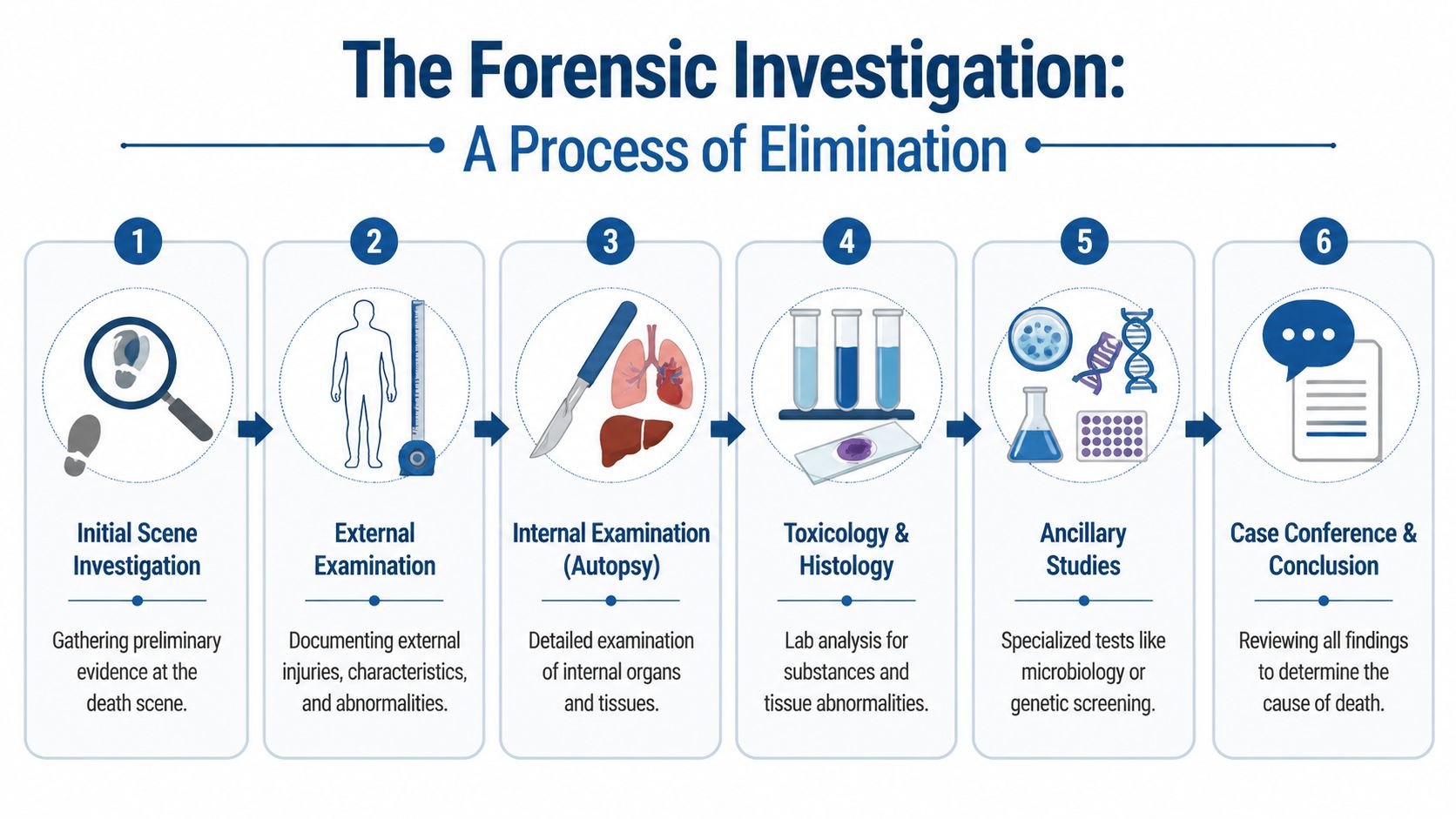
Step one is to define the right differential
I start by building a differential diagnosis from the circumstances of death, not from one isolated finding. Recent chest pain, fainting, fever, surgery, vomiting, drug exposure, seizure history, or family history of sudden death each changes what needs to be sampled, reviewed, and tested.
Records help, but they rarely settle the case on their own. A normal emergency department ECG does not exclude every lethal arrhythmia. A prior history of anxiety does not explain a sudden collapse. A prescription bottle at the scene does not prove overdose. Each piece of information has to earn its place in the final opinion.
The autopsy examines the body at more than one level
The external examination documents injuries, medical intervention, neglect indicators, rashes, lividity patterns, and identifying features. The internal examination evaluates the organs for hemorrhage, infection, obstruction, congenital abnormalities, vascular disease, and subtle trauma.
Experience proves critical to the quality of the work. A small neck hemorrhage may reflect resuscitation, a fall, or assault. Mild coronary atherosclerosis may be incidental, or it may matter if the history suggests exertional collapse and the microscopic findings support acute ischemia. The distinction is not academic. It affects death certification, insurance disputes, and potential litigation.
Unresolved cases require disciplined specimen collection
If the gross exam does not provide a clear answer, the case should not stop there. Blood, urine, vitreous fluid, and tissue samples need proper collection, labeling, preservation, and documentation. In private autopsy practice, I pay close attention to that chain of work because a missed or mishandled specimen can close off answers that cannot be recovered later.
This is a significant trade-off families and attorneys should understand in Texas. A standard investigation may answer the basic public question. A private autopsy often goes further by preserving material for added review, targeted toxicology, consultation, or later genetic testing when the first pass is inconclusive.
Clinical records also need structured review, especially when the timeline spans EMS care, an emergency department visit, ICU treatment, and prior outpatient encounters. Methods for Transforming EHR data into insights can help organize that record stream, but the medical interpretation still depends on correlation by the pathologist.
What elimination looks like in practice
A sound process rules possibilities in or out one by one.
| Question | What the investigation looks for |
|---|---|
| Was trauma involved? | Patterned injuries, internal bleeding, fractures, organ damage, scene correlation |
| Was a toxic exposure involved? | Toxicology strategy based on history, medications, access, and specimen quality |
| Was there natural disease that was easy to miss? | Cardiac pathology, infection, seizure-related findings, aspiration, metabolic clues, microscopy |
| Could medical treatment have contributed? | Procedure complications, medication effects, timing of deterioration, record review |
| Could this have an inherited basis? | Family history, retained samples, selective postmortem genetic testing |
Families often hear one early theory and cling to it because uncertainty is painful. I understand that impulse. Still, the safer course is to test the theory against all available evidence. If it does not fit the anatomy, the records, the scene, and the laboratory work together, it should not become the official answer.
Final opinions are built through synthesis
The cause of death should come from integrated review, not from the loudest finding in the file. Toxicology without context can mislead. An anatomic abnormality without clinical correlation can mislead. Even a sincere witness account can mislead if the timing is wrong.
For families, attorneys, and clinicians, that is often the practical value of a second review or private autopsy. It creates a documented path back through the case. What was examined, what was sampled, what was excluded, and what remains plausible should all be clear on the record.
Advanced Diagnostic Tools to Uncover the Truth
A case can look unrevealing at first glance. The organs may appear normal. The scene may offer little. Families are then left with the hardest kind of answer: no answer that feels medically complete.
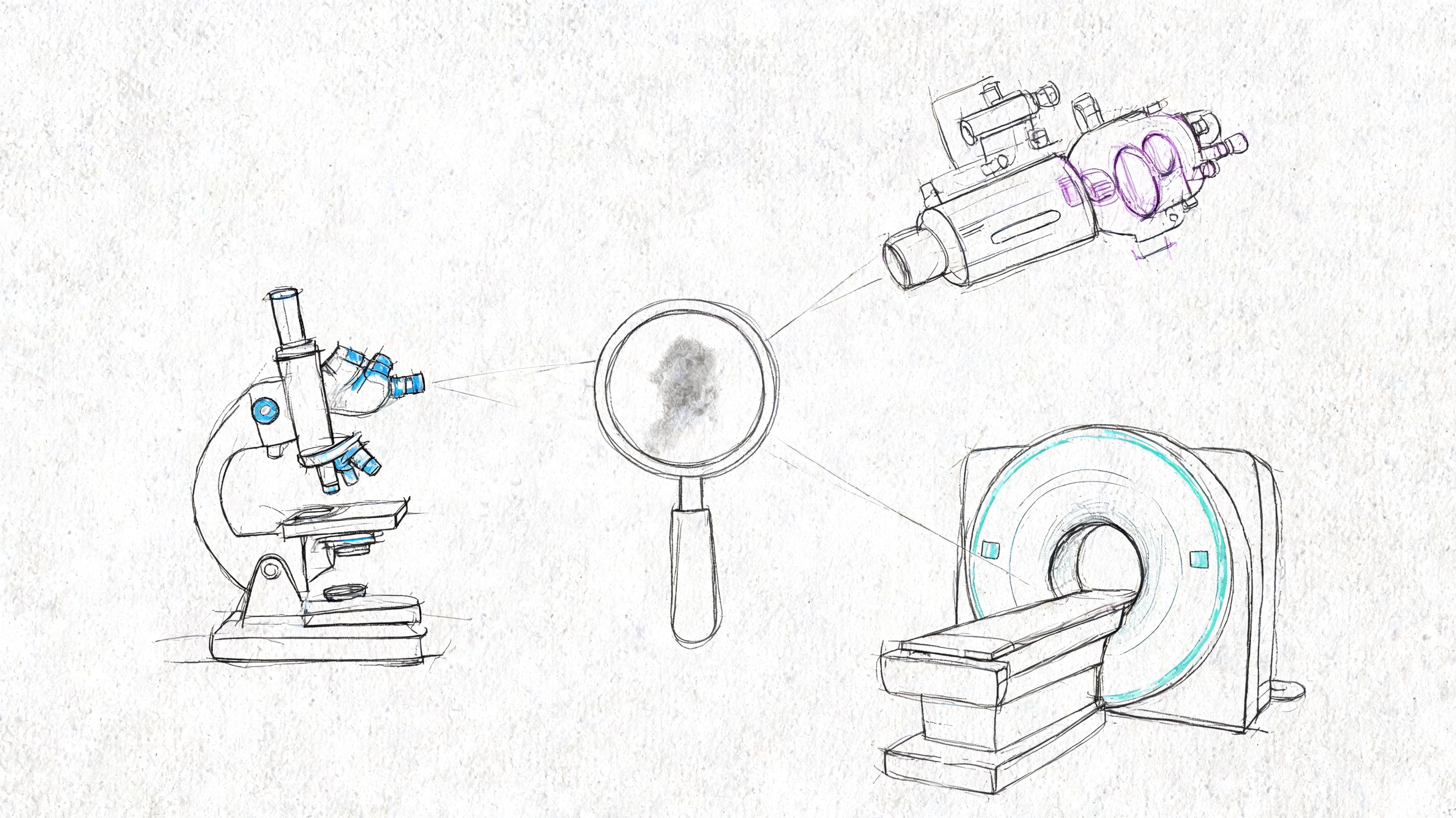
Histology finds what the naked eye misses
Histology examines tissue under the microscope. It can reveal myocarditis, early heart injury, infection, aspiration, inflammatory disease, or a small neoplasm that was not apparent during the gross examination.
I often explain this to families in plain terms. “Normal appearing” organs do not always mean normal tissue. Some fatal processes leave a cellular pattern rather than a dramatic structural change, especially in sudden deaths where the interval between collapse and death was short.
A heart is a common example. It may look unremarkable during dissection and still contain microscopic findings that help explain an arrhythmia, inflammation, or recent ischemic injury.
A normal gross exam does not end the case. In many unexplained deaths, microscopy is where the diagnostic work truly begins.
Histology also helps with causation. Finding disease is only part of the job. The harder question is whether the disease was incidental, contributory, or sufficient to explain death.
Toxicology is broader than a simple drug screen
Toxicology is not limited to illicit drugs. A proper toxicology plan may include prescription medications, alcohol, sedatives, stimulants, opioids, carbon monoxide, and other exposures suggested by the history, scene, or medical records.
Interpretation requires restraint. A detected drug does not automatically become the cause of death. Concentration matters. Drug combinations matter. Tolerance matters. Postmortem redistribution matters. The anatomic findings and the timeline matter too.
Specimen choice can change the quality of the answer. Peripheral blood, central blood, urine, vitreous fluid, gastric contents, and liver tissue each answer somewhat different questions. In practice, I weigh the likely mechanism of death against specimen availability and condition before deciding how broad the testing should be.
That trade-off matters in private autopsy work. Broad panels can be helpful, but they also increase the chance of finding substances that create noise instead of clarity.
Molecular autopsy can clarify selected unexplained deaths
Some deaths remain unexplained even after a careful autopsy, histology, and toxicology review. In those cases, molecular autopsy may be appropriate. This is postmortem genetic testing directed at inherited conditions that can cause sudden death with little or no visible structural abnormality.
This approach is most useful in younger individuals, sudden unwitnessed collapses, and cases with concern for inherited arrhythmia syndromes or cardiomyopathies. A structurally normal heart does not exclude a lethal electrical disorder. That distinction matters for surviving relatives as much as for the death certificate.
If retained blood or tissue is available, postmortem genetic testing may identify a heritable diagnosis that changes family medical care. Relatives can then discuss targeted clinical evaluation with their treating physicians.
Choosing the right test set
Advanced testing should answer a defined question. Ordering every possible study rarely produces the cleanest result.
- Histology is often helpful when death was sudden and gross findings are limited or nonspecific.
- Expanded toxicology is often helpful when medications, substance exposure, overdose concerns, or an unclear timeline are part of the case.
- Molecular autopsy is often helpful in young sudden deaths, cases with a normal or near-normal heart at routine autopsy, or deaths with a family history that raises concern for inherited disease.
- Advanced testing has lower yield in severe decomposition, extensive tissue destruction, or cases where key specimens were never collected.
Attorneys and clinicians sometimes ask a practical question before any second review begins. How do you organize fragmented records, EMS documentation, hospital notes, pharmacy history, and witness timelines into something medically usable? The same principle behind Transforming EHR data into insights applies here. Better organization improves interpretation. It does not replace pathology, but it can sharpen the medical question the pathology needs to answer.
What private review can add
A private autopsy or second-opinion review can expand the workup when the original investigation was limited by time, jurisdiction, or available testing. For families and attorneys in Texas, that often provides a practical path forward rather than more uncertainty. Additional tissue sampling, deeper record review, targeted toxicology, retained specimen analysis, and consultation-focused interpretation can turn an open question into a defensible medical opinion.
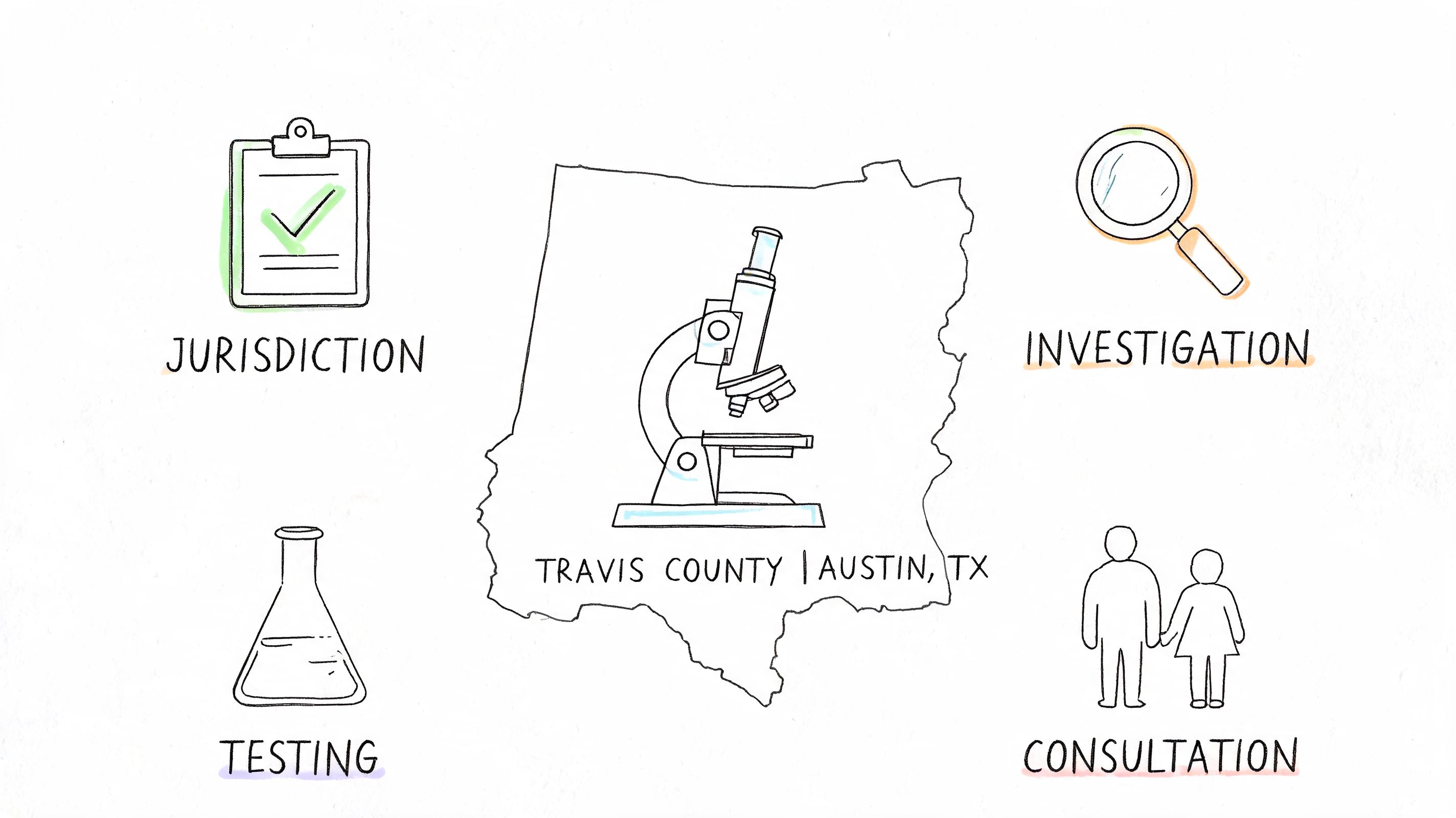
One option in Texas is Texas Autopsy Services, which provides private autopsy examinations, second-opinion review, toxicology coordination, and case-specific ancillary testing for families, attorneys, clinicians, and county entities. Whether that step makes sense depends on the facts, the timing, and the legal status of the remains.
Understanding Legal and Procedural Rules in Texas
After a death in Texas, families often assume that if there was any uncertainty, an official autopsy will automatically happen. That is not always the case.
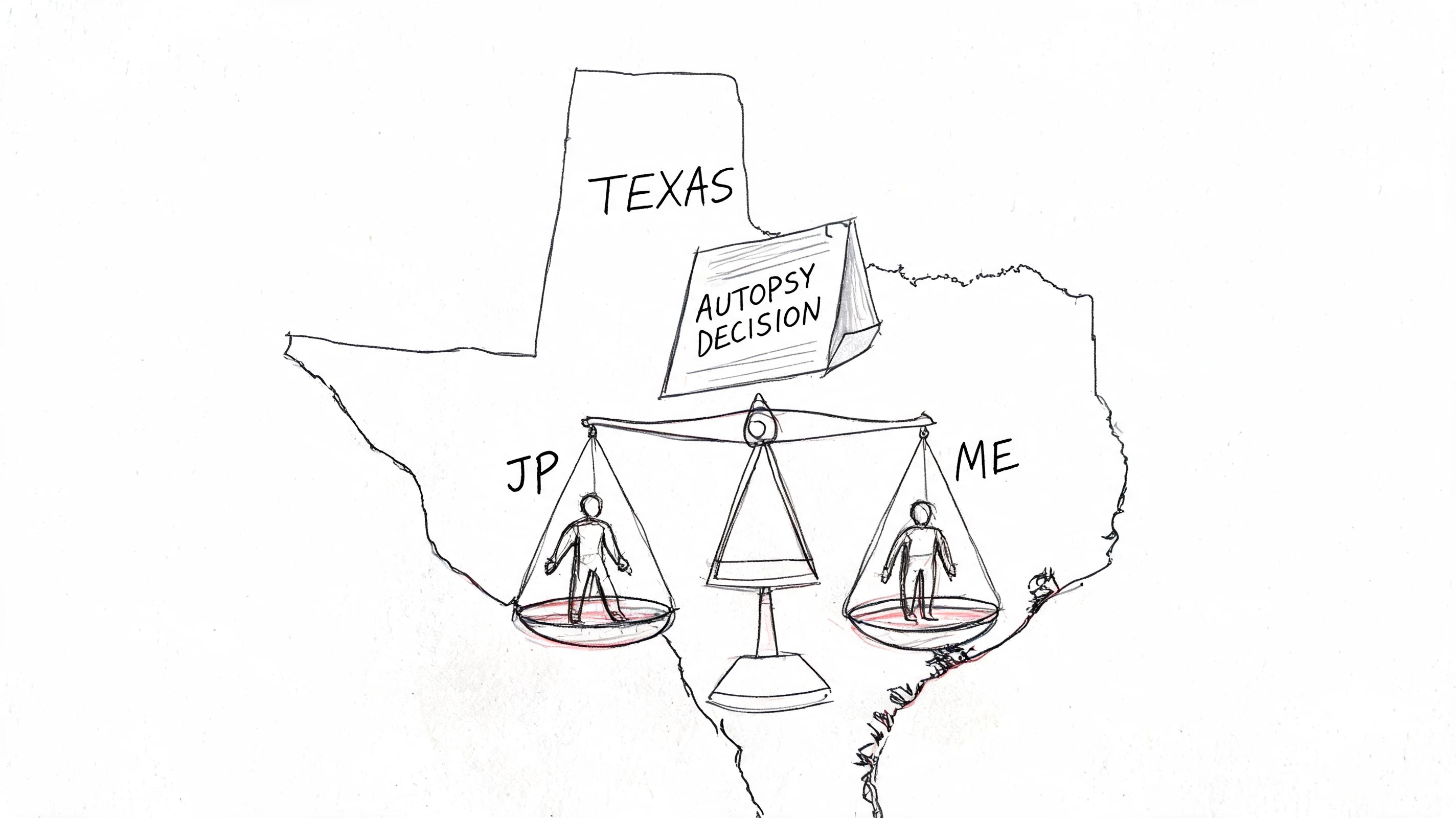
Who has authority after a death
Depending on the county and circumstances, the death may fall under the authority of a Justice of the Peace or a Medical Examiner. Their office decides whether the death requires official forensic involvement and whether an autopsy is legally necessary.
That decision is shaped by the facts known at the time. Some deaths clearly require official investigation. Others do not, even if the family later feels the answer was incomplete. A sudden death may be certified without a full forensic autopsy if the available information appears to support a natural process, or if the case falls outside the criteria for a mandatory official autopsy.
When families seek an independent examination
If no official autopsy was done, or if the findings remain unsatisfying, the next of kin may consider a private examination. In practice, timing matters. The sooner the issue is identified, the more options are usually available for specimen collection and interpretation.
A private autopsy is not a replacement for government authority where the law requires official investigation. It is an independent medical examination authorized through the proper family decision-maker and coordinated with the funeral home, transport personnel, and any officials who still have jurisdiction.
A few plain points help:
- Authorization matters: the correct legal next of kin must consent.
- Custody matters: if a JP, ME, or law enforcement agency still controls the case, that has to be respected before private arrangements move forward.
- Documentation matters: identity, release forms, and handling records need to be clear.
Legal and ethical safeguards
Texas practice is not only about medical technique. It also involves compliance with the rules that govern remains, funeral handling, and professional conduct. Families should expect a pathologist to work within Texas law and to communicate clearly about what can and cannot be done in a particular case.
That includes transparency about limitations. Embalming can affect interpretation. Decomposition can reduce diagnostic yield. Some tests require properly preserved samples. None of those realities should be hidden from the family.
The ethical duty is simple. Respect the decedent, respect the law, and do not overstate what the evidence can prove.
When a family decides to pursue an independent examination, it helps to review private autopsy services in Texas in advance so the scope, consent process, and coordination steps are clear before final disposition occurs.
Next Steps for Families Attorneys and Clinicians
An unknown cause of death finding is often the beginning of a second phase, not the end of the case. What happens next depends on who needs the answer and why.
For families
Most families want two things. They want the truth, and they want it explained in words they can understand.
If you are the next of kin, gather the basic documents first. That usually includes the death certificate if available, hospital records if there was recent treatment, emergency response records if they exist, and contact information for the funeral home. Keep a written timeline of what happened. Small details matter later.
If you are considering an independent exam, this guide to requesting an autopsy in Texas can help you understand the practical order of steps.
For attorneys
Attorneys usually need a different kind of clarity. They need to know whether the medical evidence supports a claim, weakens a claim, or remains inconclusive.
A second-opinion forensic review can help separate speculation from evidence. It can also identify whether the issue is causation, timing, mechanism, intoxication, preexisting disease, or insufficient data. In estate, insurance, and personal injury matters, legal teams often evaluate damages in parallel with medical causation. A general reference like the LegesGPT settlement tool may help frame broader claim discussions, but it does not replace a pathology opinion on the actual cause of death.
For clinicians
A postmortem review can also matter to treating physicians and hospitals. Sometimes it confirms the clinical impression. Sometimes it shows a hidden diagnosis. Sometimes it demonstrates that the death turned on a process that would have been difficult to detect during life.
That kind of review should be candid. The purpose is not to assign blame by default. The purpose is to define what the pathology shows.
Practical coordination matters
A private or second-opinion case moves more smoothly when everyone handling the decedent is aligned. Funeral home coordination, records transfer, specimen handling, and family communication all need to be orderly. When families need mortuary coordination in Central Texas, resources such as the Waterloo Mortuary pathology partnership may be relevant depending on location and case logistics.
The right next step is not always the most aggressive one. Sometimes the answer comes from record review and an existing autopsy file. Sometimes a full examination is warranted. Sometimes the honest conclusion remains that medicine cannot identify the cause with certainty. Even then, a careful review can still narrow the possibilities and explain why the case remains unresolved.
Frequently Asked Questions about Private Autopsies
Can a private autopsy still help if the cause of death is listed as unknown
Yes. In some cases, a private autopsy or second-opinion review can clarify the cause. In others, it may narrow the range of possibilities and explain why the original finding remained undetermined. The value often comes from deeper record review, expanded microscopy, additional toxicology, or consideration of genetic testing.
Can an autopsy be performed after embalming
Sometimes, yes. Embalming can limit certain interpretations, especially some toxicology questions, but meaningful anatomical examination may still be possible. Earlier examination is usually preferable when families have the option.
Is a private autopsy report legally useful
A report from a qualified forensic pathologist can be important in legal and insurance settings because it provides a documented medical opinion based on examination and records. Whether it changes a death certificate or affects a court matter depends on the facts, jurisdiction, and how the case proceeds.
What is chain of custody and why does it matter
Chain of custody is the documented record of who collected, labeled, transported, stored, and tested samples. It matters because attorneys, agencies, and courts need to know the evidence was handled properly and can be trusted.
Will every unknown cause of death case be solved
No. Some cases remain unexplained despite careful work. The goal is not to force an answer. The goal is to reach the most accurate conclusion the evidence can support, and to explain that conclusion.
If your family, law office, hospital, or county agency is facing an unknown cause of death case, careful review can help define what is known, what remains uncertain, and what additional steps are still available. You can learn more about independent postmortem services through Texas Autopsy Services, or contact the office directly to discuss the facts of a specific case with discretion and respect.