February 24, 2026 · Texas Autopsy Services
What to Know About the Person Who Does an Autopsy
Learn what the person who does an autopsy does, from training to impact, guided by our forensic pathology team for Texas families.
On this page
- The Professional Behind the Answers
- The Journey to Becoming a Forensic Pathologist
- Understanding Medical Examiners and Coroners
- What a Forensic Pathologist Does Day-to-Day
- When to Consider an Independent Forensic Pathologist
- What to Expect from the Autopsy Process
- Frequently Asked Questions About Autopsies
In a time of profound loss, families and legal professionals often seek one thing above all else: clarity. When a death is sudden or the circumstances are uncertain, the search for answers leads to a critical medical procedure known as an autopsy. But who is the person qualified to perform this examination?
That person is a forensic pathologist, a specialized medical doctor responsible for determining the cause and manner of death. As a board-certified forensic pathologist who has performed over 1,000 autopsies, I’ve dedicated my career to providing objective, evidence-based answers to families and attorneys across Texas. This work demands medical precision, legal integrity, and a deep respect for both the deceased and their loved ones.
- The person who performs an autopsy is a medical doctor called a forensic pathologist.
- A forensic pathologist determines the cause and manner of death through a detailed examination.
- The process is a meticulous medical investigation, not just a procedure.
- Independent autopsies provide objective answers when official investigations are inconclusive or unavailable.
- My role at Texas Autopsy Services is to deliver clear, unbiased, and compassionate findings to families in need of truth.
The Professional Behind the Answers
When a family is reeling from a sudden or unexplained loss, they need clear, honest answers. A forensic pathologist’s job is to provide those answers by translating complex medical evidence into a factual, understandable explanation. Each case I handle reinforces how vital this work is for families seeking closure and certainty.
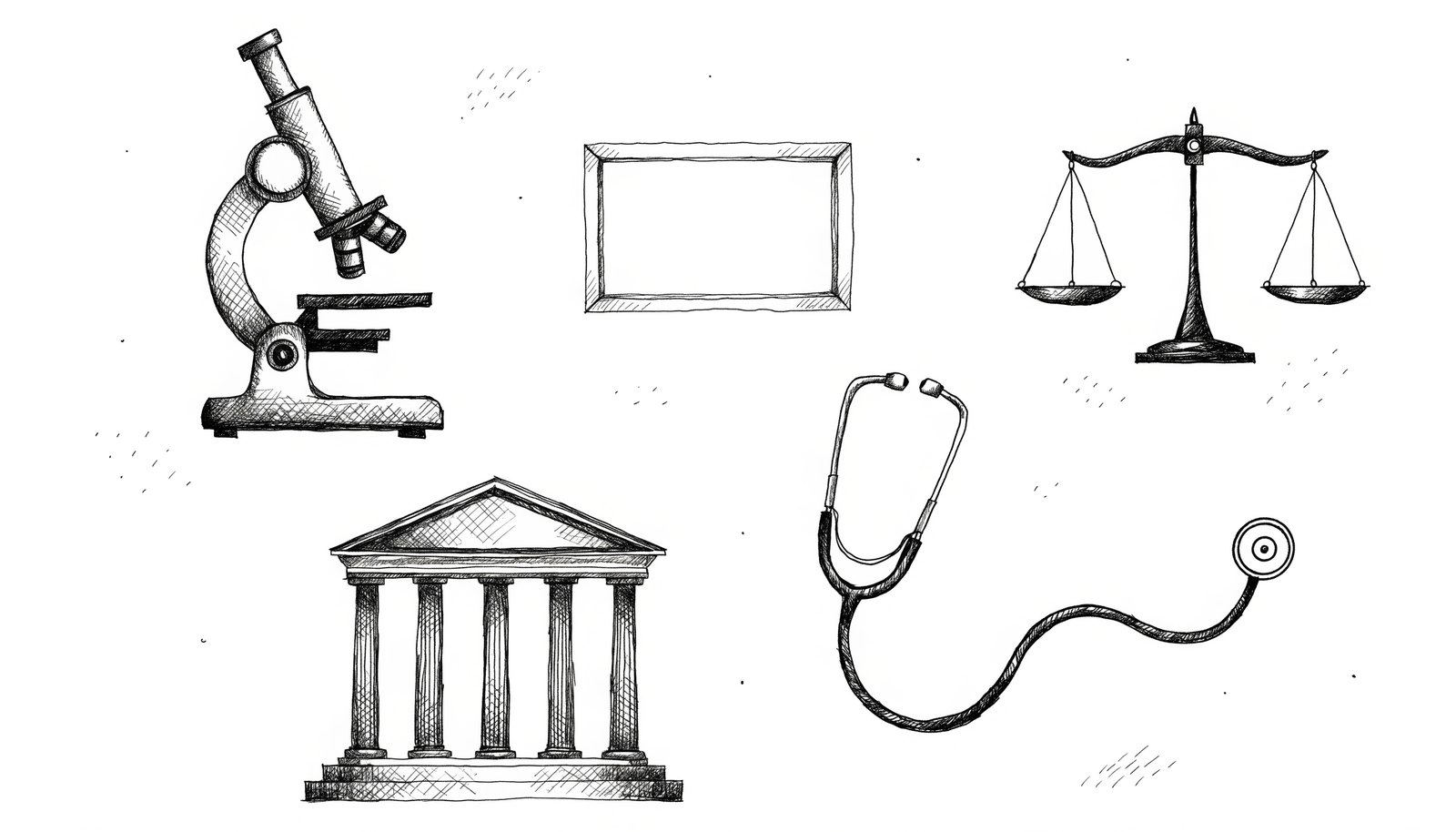
A forensic pathologist is more than just a doctor. We are medical investigators who blend three distinct disciplines.
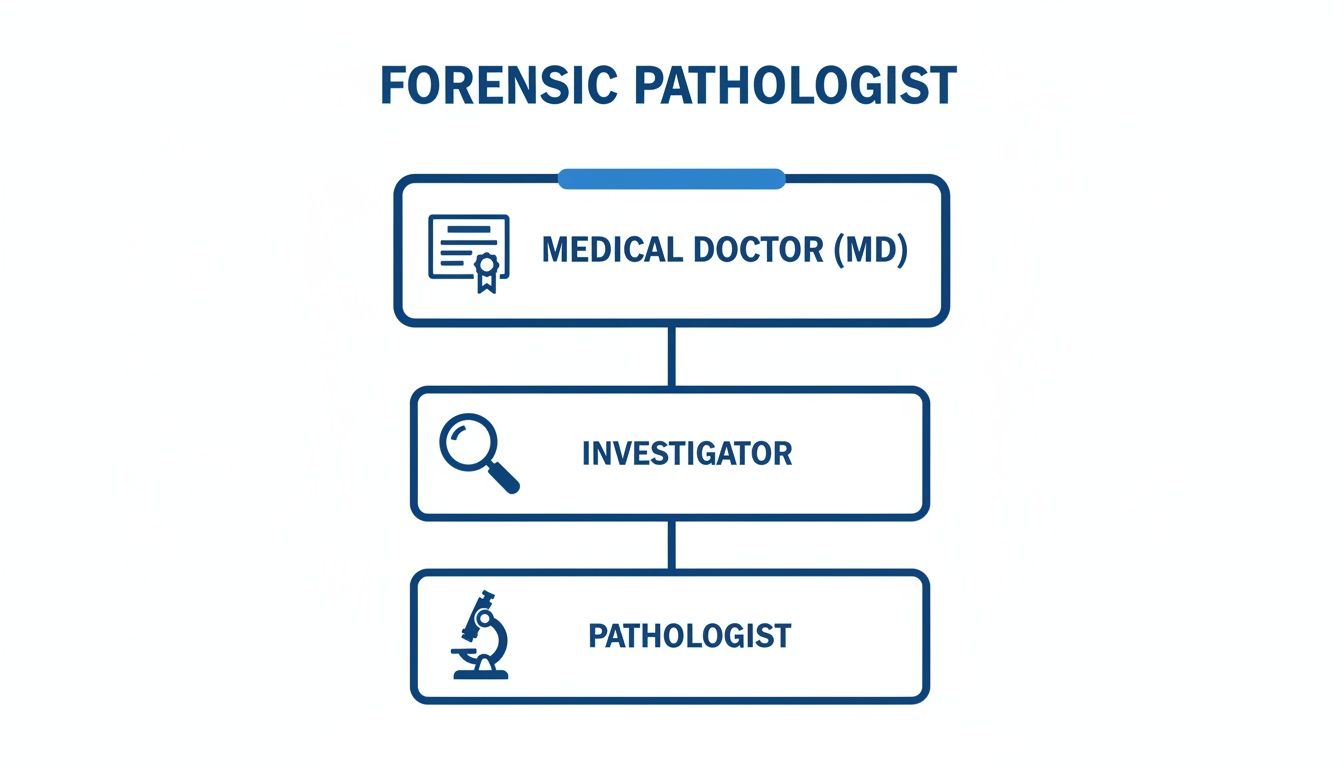
As this illustrates, the foundation is being a licensed medical doctor. On top of that, we add the analytical mind of an investigator and the specialized knowledge of a pathologist. This unique combination ensures every examination is thorough, scientifically sound, and legally defensible.
What Does a Forensic Pathologist Actually Do?
At Texas Autopsy Services, my work is centered on several key responsibilities that serve families, attorneys, and county officials throughout Texas.
- Determine the Cause of Death: This means identifying the specific injury, disease, or medical event that initiated the chain of events leading to death.
- Establish the Manner of Death: This is a classification based on all available evidence. We categorize the death as natural, accidental, suicide, homicide, or undetermined.
- Provide an Objective Analysis: Whether it’s for a private autopsy for a family or a case for a county, my findings are always independent and unbiased. The medical evidence dictates the conclusions.
- Support Families and Legal Teams: The final, detailed report offers families the closure they need while giving attorneys the critical facts required for any legal proceedings.
Ultimately, the person who does an autopsy brings clarity to a time of overwhelming confusion. My commitment is to deliver that clarity with both compassion and unwavering professionalism, making sure every family gets the definitive answers they deserve.
The Journey to Becoming a Forensic Pathologist
It often surprises people to learn that the person performing an autopsy is a highly trained medical doctor. This isn't a career someone simply chooses; becoming a forensic pathologist is a long, demanding path that requires more than a decade of intense study and a real passion for science and medicine. My own journey was built on years of that focused education and hands-on training, all aimed at one thing: ensuring every cause-of-death investigation is backed by solid, uncompromising expertise.
The path starts just like it does for any other physician—with a four-year undergraduate degree, usually in a science like biology or chemistry. After that, it’s another four years of medical school to earn a Doctor of Medicine (MD) or Doctor of Osteopathic Medicine (DO) degree. But graduation is only the beginning of the specialization.
Residency and Fellowship Training
The next stage is a multi-year residency in pathology. This training is typically split into two core areas, providing a complete picture of how disease works in the body:
- Anatomic Pathology: This is the hands-on study of organs and tissues to observe disease processes.
- Clinical Pathology: This is the laboratory side, where we analyze bodily fluids like blood and urine.
This residency builds a critical foundation, but becoming a forensic pathologist requires taking it a step further. The final piece is a highly specialized fellowship in forensic pathology, which usually takes one to two years. This is where we learn the unique skills needed for postmortem examinations and medical-legal death investigation.
This extensive training is precisely why board certification matters so much. As a professional board-certified by the American Board of Pathology in Anatomic, Clinical, and Forensic Pathology, my qualifications represent a tested and verified level of expertise.
A Specialized and Demanding Field
This difficult training pipeline means that only a small number of highly qualified specialists enter the field each year. For instance, the 2023 NRMP Match for forensic pathology fellowships had a high match rate of 95.7% for its 47 applicants, but that only filled about half of the available program spots. This highlights the nationwide shortage of these critical experts.
It’s a long road, but it’s absolutely necessary. It ensures families get the most accurate and reliable answers possible during a time of profound uncertainty. You can learn more about the education requirements for forensic pathologists in our detailed guide. Every step of this journey is designed to build the skill and judgment needed to speak for those who can no longer speak for themselves.
Understanding Medical Examiners and Coroners
When investigating a death, the system can look surprisingly different depending on where you are in the country, and even from one Texas county to the next. To understand who performs an autopsy, you first need to know the two key roles in the official death investigation system: the medical examiner and the coroner.
A medical examiner is a medical doctor—specifically, a forensic pathologist—who is appointed to investigate sudden, violent, or otherwise suspicious deaths. Their job is to follow the science, letting the physical evidence tell the story.
On the other hand, a coroner is often an elected official and may not have any medical background. In many parts of Texas, for instance, the local Justice of the Peace serves as the coroner. They have the legal authority to pronounce a death, but they don't perform autopsies themselves.
The Texas System A Mix of Both
Texas operates on a mixed system. Our state's most populated counties—like Harris, Dallas, Tarrant, and Bexar—have their own dedicated Medical Examiner's Offices staffed with forensic pathologists.
But what about the rest of the state? The vast majority of Texas's 254 counties do not have a medical examiner. In these areas, the Justice of the Peace takes on the coroner role. If an autopsy is needed, they must contract with an outside forensic pathologist to get it done.
This patchwork system means that access to a government-employed forensic pathologist depends on geography. The expertise available can change dramatically just by crossing a county line.
This structure creates a significant gap in services across the state. Families in counties without a medical examiner often face a different process, and sometimes longer waits, to get answers. This is precisely why the role of an independent forensic pathologist is so important.
Whether your family needs a second opinion on a government autopsy or requires a primary examination in a county without its own medical examiner, my job is to provide direct access to that specialized expertise. I founded Texas Autopsy Services to ensure that any family, anywhere in Texas, can get the clear, medically sound answers they deserve. You can learn more about the difference between a coroner and a medical examiner in our related article.
What a Forensic Pathologist Does Day-to-Day
My work extends far beyond the autopsy table. While the physical examination is a core component of what I do, it’s just one piece of a much larger investigation. A typical day is spent carefully assembling information from multiple sources, all with the single goal of finding the medical truth. It's a heavy responsibility, one I feel deeply for both the person who has passed and the family they've left behind.
Every case starts with an intensive review, long before I step into the examination suite. I study every available record—medical histories, paramedic reports, police summaries, and sometimes even witness statements or scene photos. Each document adds another layer of context, helping me build a preliminary picture of what may have happened.
The Examination and Gathering Clues
The physical examination itself is methodical and thorough. I conduct both an external and internal evaluation, documenting every observation with meticulous care. My main objective is to identify and record any sign of injury or disease, no matter how small.
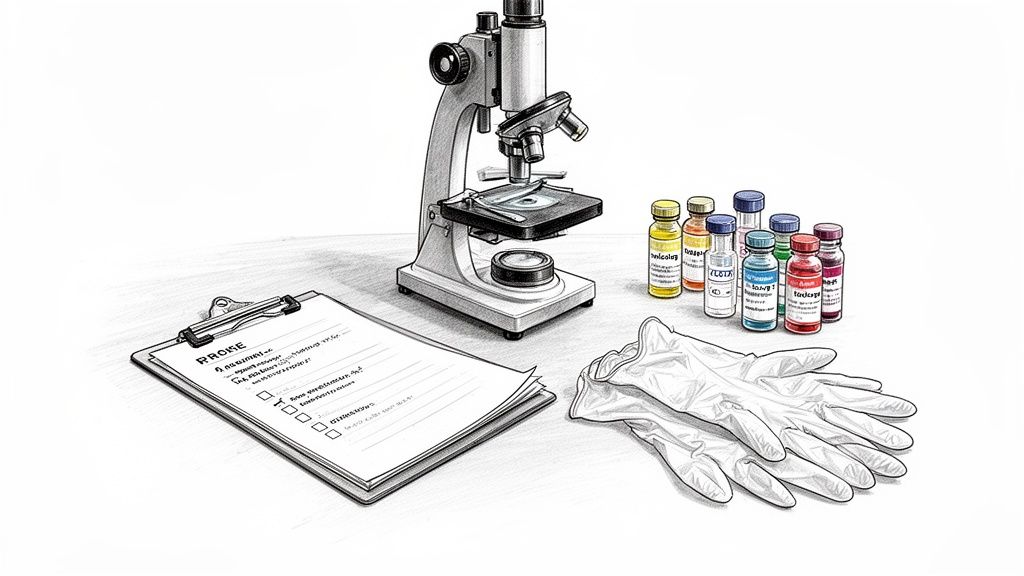
This is also when I collect evidence. I take samples for a full range of specialized tests, which are critical for a complete investigation. These usually include:
- Toxicology: This screens for drugs, alcohol, or any other substances in the system.
- Histology: I take tiny tissue samples to examine under a microscope, which helps identify diseases at a cellular level.
- Microbiology: This is to test for infections that could have played a role in the death.
Every specimen is handled under a strict chain of custody. This is non-negotiable, as it ensures the integrity of the evidence for any potential court proceedings. It's a painstaking process, but it guarantees every piece of evidence is preserved and accounted for.
Putting the Puzzle Together
The real heart of my job is the analysis. Once all the data is in—from the physical exam, the toxicology reports, and the histology slides—my focus shifts to connecting the dots. It’s like assembling a complex puzzle where each piece of information must fit perfectly. I correlate the physical findings with the person’s medical history and the circumstances of their death to build a logical, coherent explanation.
This deep dive ultimately leads me to determine two key things:
- Cause of Death: The specific injury or disease that directly caused the person to die.
- Manner of Death: How we classify the death—natural, accident, suicide, homicide, or undetermined.
The final and most important step is to translate all these complex medical and scientific findings into a clear, comprehensive report that a non-doctor can understand. This document is written for families and attorneys, providing the definitive answers they're searching for. It must be delivered with both precision and compassion. Providing that clarity is what makes this work so essential.
When to Consider an Independent Forensic Pathologist
Families and attorneys often contact me when the official explanation of a death doesn't add up, or when there isn't one at all. While county medical examiners are legally required to investigate certain deaths, many situations fall into a gray area.
It’s in these moments of uncertainty that an independent forensic pathologist—a person who does an autopsy outside the government system—becomes so vital for finding the truth.
The decision to seek a private autopsy is a difficult one, usually driven by a need for clarity and peace of mind. Here at Texas Autopsy Services, my entire focus is on providing that definitive, unbiased analysis when you need it most.
When Families Seek Answers
For families, the search for answers often starts from a place of profound grief and confusion. The sudden loss of a loved one leaves a void, and that void is quickly filled with questions.
Here are some of the most common reasons families come to me:
- Sudden or Unexpected Death: The loss just doesn't make sense. Maybe the person was young, or they had no known health problems. Their death might not meet the strict criteria for a mandatory county autopsy, but the family is left without an explanation.
- Questions About Medical Care: Families sometimes have doubts about the care a loved one received in a hospital or nursing home. They want an objective review to determine if a medical issue was missed, overlooked, or improperly treated.
- Need for a Second Opinion: Sometimes, the official cause of death on a report feels incomplete or wrong. It may not align with what the family knew about their loved one's health and life. A second-opinion autopsy can either confirm the original findings or uncover new, crucial information.
In these sensitive cases, my job is to provide a compassionate, thorough examination that results in a clear and unbiased medical explanation. The ultimate goal is to deliver facts that help families find closure and begin to heal.
When Attorneys Require Medical Facts
For legal professionals, the stakes are different but no less critical. Civil and criminal cases often depend on the smallest medical details, and an independent forensic pathologist can provide the objective expertise needed to build a solid case.
Attorneys typically hire me for:
- Wrongful Death and Medical Malpractice Cases: A private autopsy can draw a direct, scientific line between an action (or inaction) and the death that followed.
- Criminal Defense or Prosecution: My findings can be used to either support or challenge the state’s evidence about the cause and manner of death.
- Insurance and Workers' Compensation Claims: A detailed examination can clarify whether a death was caused by an accident, a workplace hazard, or an underlying medical condition.
The need for qualified experts in this field is immense. A 2018 report on the supply of pathology professionals highlighted the high demand for specialized medical experts in major cities and across all 254 Texas counties.
What to Expect from the Autopsy Process
When a family is considering a private autopsy, the last thing they need is more stress or confusion. I know this is an incredibly difficult time, and my priority is to make the path to getting answers as clear and supportive as possible.
At Texas Autopsy Services, we handle all the procedural complexities with professional care, so you can focus on your family. Everything we do is handled with the utmost respect and in strict compliance with Texas law.
Our Transparent Four-Step Approach
From our first conversation to the final report, the process is designed to be straightforward. It starts with understanding your needs and ends with providing the clarity you're looking for.
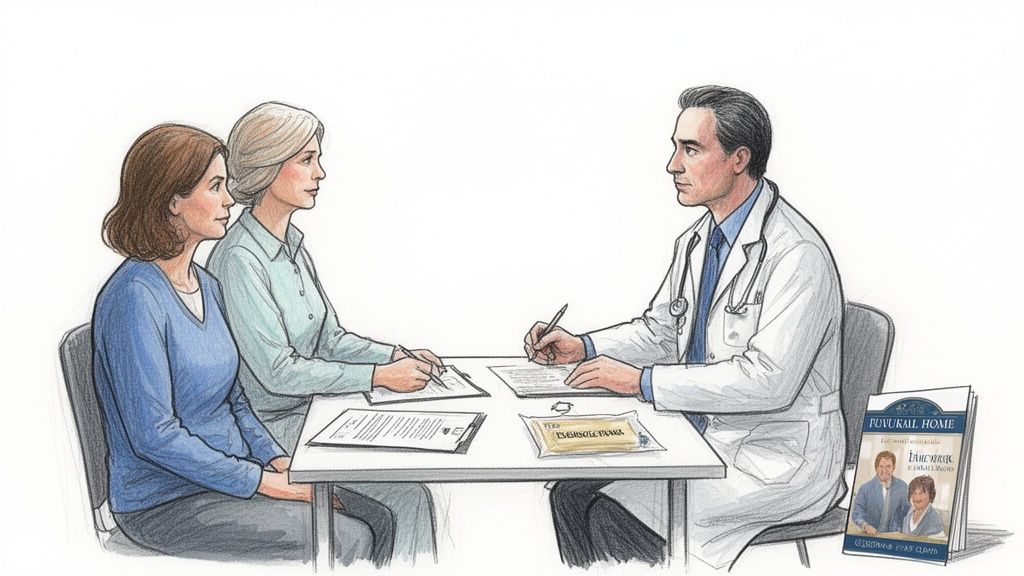
- Initial Consultation: We’ll begin with a confidential phone call. This is where you can share your questions and concerns, and I can explain what a private autopsy can realistically tell us. My goal is to give you all the information you need to decide if this is the right choice for your family.
- Handling Legal and Logistical Details: If you decide to move forward, my team and I will take care of the paperwork. This includes obtaining the necessary legal consent from the next of kin and coordinating with the funeral home to arrange transportation. We often work with trusted partners like Waterloo Mortuary to ensure everything is handled smoothly.
- The Professional Examination: The autopsy itself is performed with dignity and respect for your loved one. I maintain a strict chain of custody for all evidence and samples, which is critical for preserving the integrity of our findings, especially if legal questions might arise later.
- Comprehensive Final Reporting: Once the physical examination and any necessary lab tests are complete, I prepare a detailed final report. I write this in clear, understandable language—not medical jargon—so it clearly explains the cause of death and any other important contributing factors.
The entire process is designed to be reassuring and professional. We adhere strictly to the Texas Health & Safety Code, ensuring every examination is conducted ethically and legally.
My commitment is to provide definitive, medically sound answers. The system we've built is designed to give you peace of mind through a respectful and authoritative investigation.
For a more detailed look at the specific steps, you can read our guide on the procedure of an autopsy.
Frequently Asked Questions About Autopsies
When families and attorneys reach out to me, they often have many of the same practical questions. It's a difficult time, and my goal is always to provide clear, direct information to help you make the best decision for your situation. Here are some of the most common things people ask.
How long does an autopsy take?
The hands-on examination itself usually takes about two to four hours, depending on the complexity of the case. However, that's just the first step. The complete process, which involves detailed toxicology and tissue tests (histology), takes longer. You can typically expect a final, comprehensive report within several weeks.
Can we still have an open-casket funeral?
Yes, absolutely. This is a major concern for many families, and I want to put your mind at ease. An autopsy is a respectful surgical procedure. We are extremely careful to make all incisions in places that won't be visible after your loved one is dressed for a service. Our entire process is designed to support your family's wishes for a traditional viewing and an open-casket funeral.
Who is the person who does an autopsy?
The only person qualified to perform a complete autopsy is a medical doctor who has specialized in this field—a forensic pathologist. My own credentials include being board-certified in anatomic, clinical, and forensic pathology by the American Board of Pathology. This means I have years of verified, specialized training to ensure every examination is medically thorough and precise.
Is an autopsy required by law?
Not in most cases. In Texas, an autopsy is only legally mandated under specific circumstances, such as a suspected homicide or a death that occurs in police custody. For many other sudden or unexplained deaths, a private autopsy is the only way for a family to get the definitive medical answers they need to understand what happened.
If you have more questions or need to discuss the specifics of your situation, I encourage you to contact Texas Autopsy Services. My team and I are here to offer clear, compassionate guidance when you need it most.