April 24, 2026 · Texas Autopsy Services
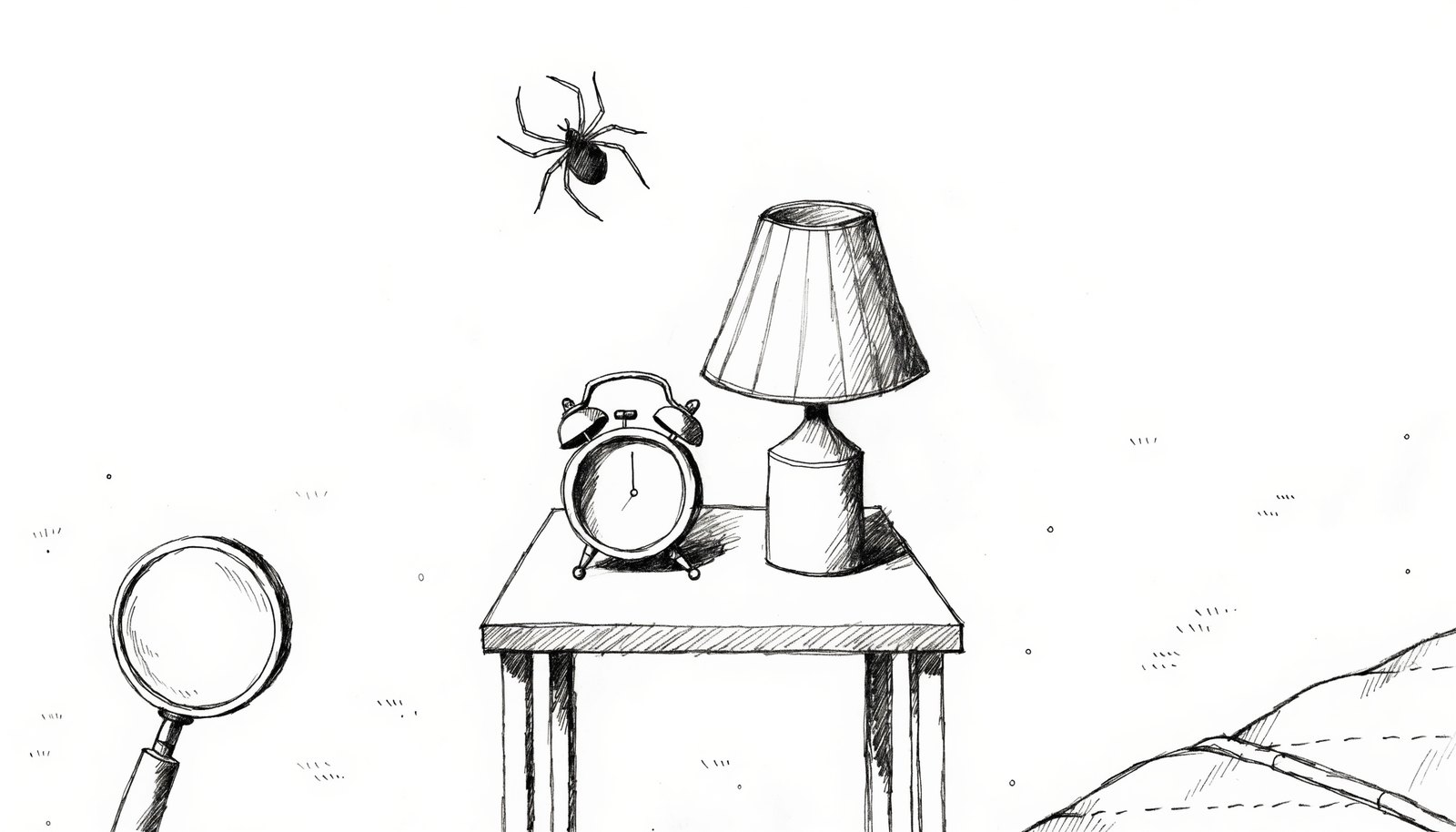
Do You Swallow Spiders When You Sleep?
Do you swallow spiders when you sleep? A forensic pathologist separates myth from reality using science, just as they clarify cause of death.
On this page
People often repeat that you swallow spiders in your sleep as if it were settled fact. It isn't. As a forensic pathologist, I pay close attention to claims that feel vivid, circulate widely, and lack evidence, because that same pattern appears in death investigations when families, institutions, or online commentary fill gaps with speculation.
The spider story matters for a simple reason. If a claim this memorable can spread for decades without proof, then families should be cautious about accepting any postmortem explanation that isn't grounded in examination, documentation, and testing. In my work, truth doesn't come from repetition. It comes from evidence.
TL;DR
- No, the claim that people routinely swallow spiders in their sleep is a myth with no scientific or medical record supporting it.
- Forensic pathology uses the opposite of myth-making. We verify, document, test, and explain.
- A private autopsy can help when the cause of death is unclear, disputed, or inadequately explored.
- Independent review matters because objectivity matters.
- Texas autopsy work should follow legal, ethical, and chain-of-custody standards that protect families and the integrity of findings.
A Forensic Pathologist's View on Popular Myths
The most popular advice on this topic is often the worst advice. People are told to accept the spider claim because "everyone has heard it," or because it sounds plausible enough to repeat. That's not how science works, and it certainly isn't how forensic medicine works.
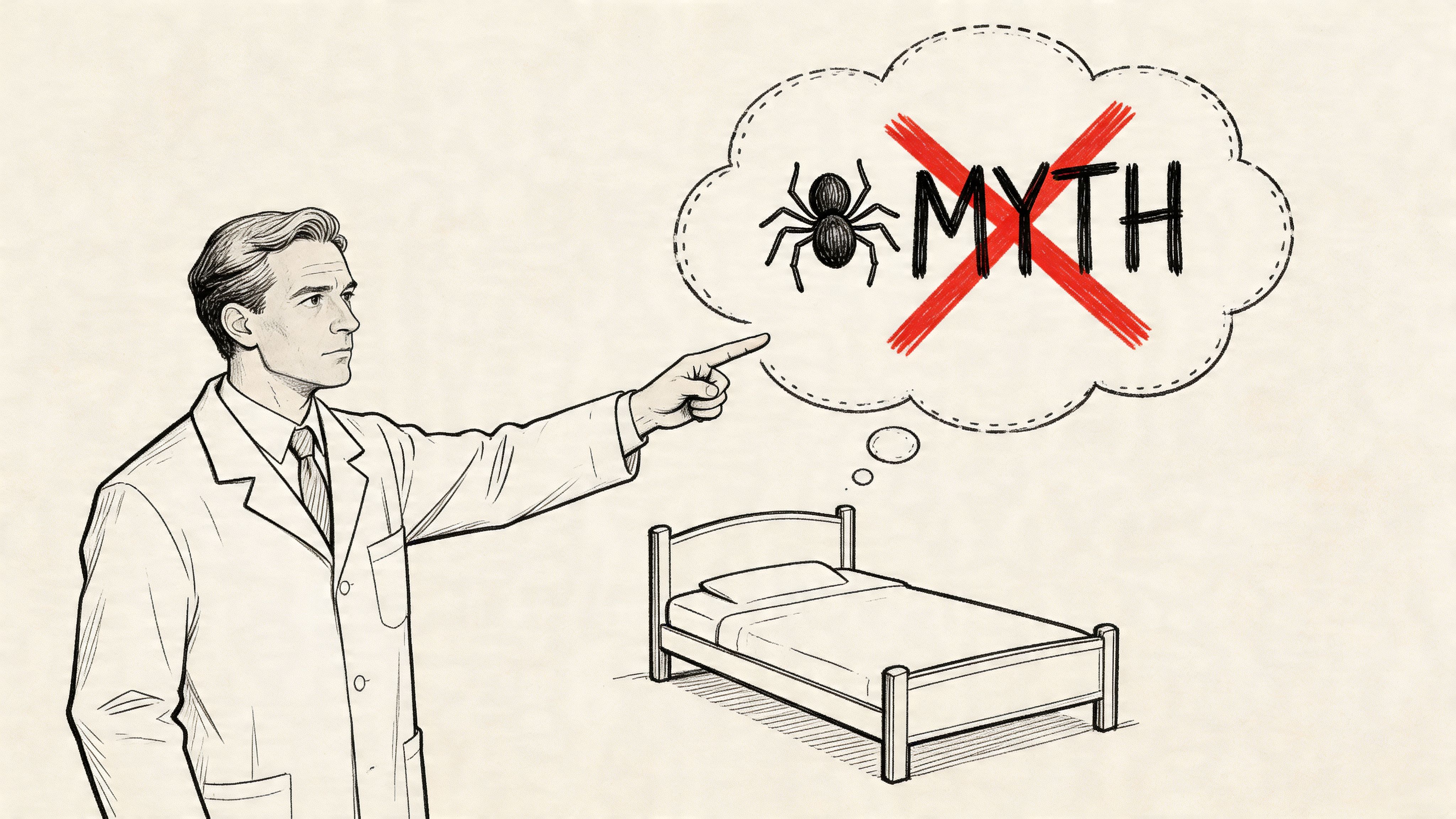
The familiar claim that people swallow eight spiders per year while sleeping came from a 1993 magazine article by Lisa Birgit that was written as satire about how easily misinformation spreads online, and the Burke Museum notes zero formal records of even a single incident in scientific or medical databases, as summarized by Britannica's review of the spider myth. That combination matters. A memorable claim began as a demonstration of misinformation, then detached from its origin and started circulating as fact.
Why myths survive
A claim lasts when it is easy to picture and hard to personally verify. Many won't search medical literature or question whether a story has an original source. They hear it, remember it, and repeat it.
That same pattern appears online in newer forms. If you're interested in how confident-sounding falsehoods get produced and amplified, the concept is similar to understanding AI hallucination, where plausible language can outrun actual evidence. The medium changes, but the risk is the same. A statement can sound polished and still be wrong.
Practical rule: If a claim is vivid, widely repeated, and unsupported by a documented record, it belongs in the category of folklore until proven otherwise.
Why this matters in forensic work
In pathology, a popular explanation has no special status. I don't give a theory more weight because a family has heard it before, because social media prefers it, or because it feels emotionally satisfying. I ask what can be shown.
That is why even simple myths are useful teaching tools. The way we dismiss the spider legend is the same basic way we approach difficult deaths. We look for records, anatomy, known biology, and findings that can withstand scrutiny. If there is no support, we say so plainly.
I've written elsewhere about unusual postmortem concerns, including questions people have about bugs in your teeth after death. The broader point is constant. Disturbing claims tend to spread faster than careful explanations. My job is to slow that process down and replace it with what the evidence shows.
Separating Fact from Fiction The Forensic Method
When a death is investigated properly, the process is disciplined. It isn't built around rumor, instinct, or pressure from outside parties. It is built around observation and proof.
Cause of death and manner of death
Families often hear these terms used together, but they mean different things.
Cause of death is the specific disease or injury that led to death.
Manner of death is the classification of how the death occurred, such as natural, accident, suicide, homicide, or undetermined.
Those are medical-legal conclusions, not guesses. Reaching them requires a structured review of the body, the medical history, the scene information when available, and any laboratory testing that helps answer unresolved questions.
What the method actually looks like
A sound forensic examination moves through evidence in layers.
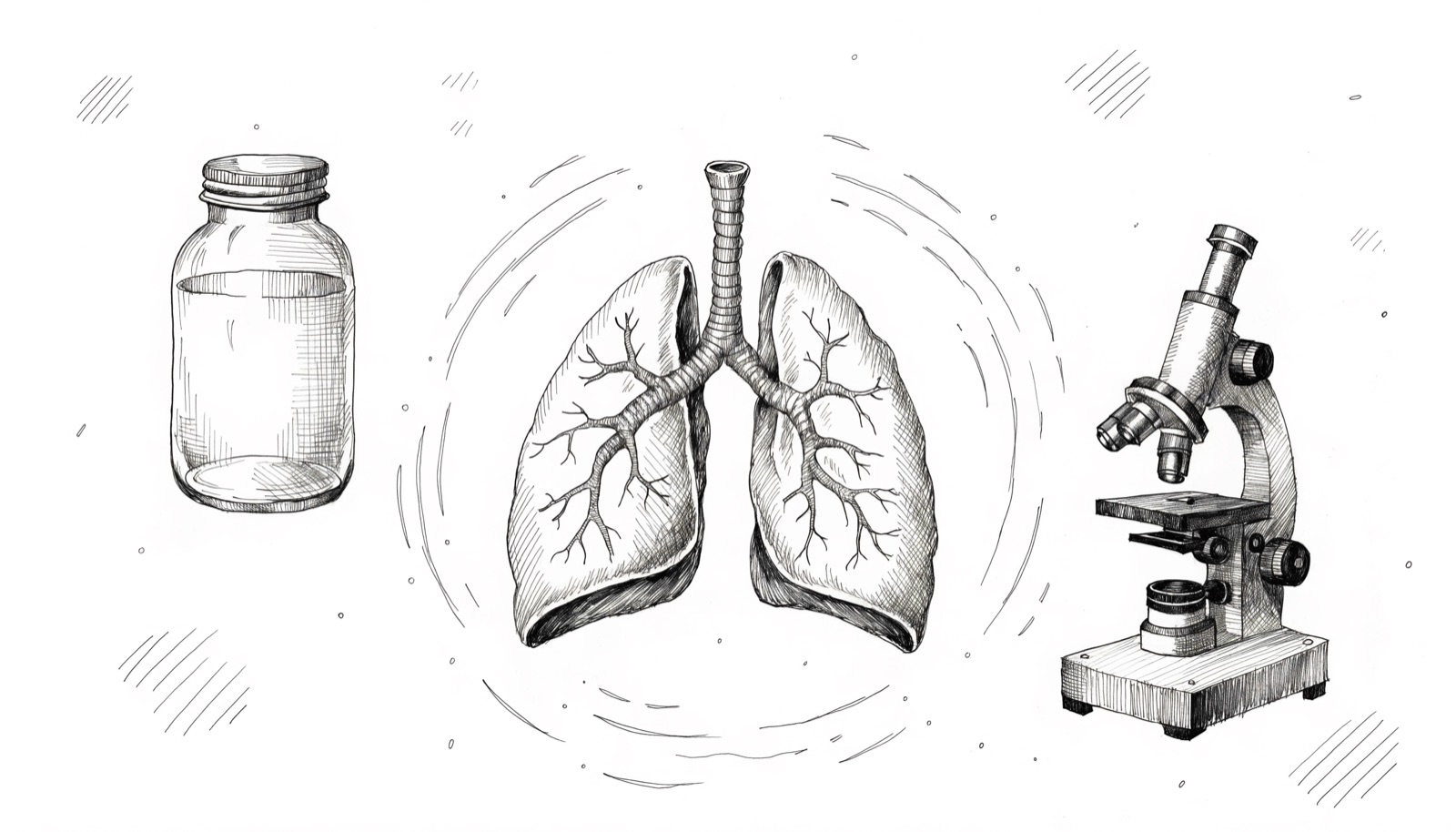
- External examination: I look for injuries, medical interventions, identifying features, and patterns that fit or conflict with the reported history.
- Internal examination: Organs are examined directly for disease, hemorrhage, blockage, infection, trauma, or other pathology.
- Microscopic review: Tissue sections can clarify whether disease was active, chronic, healing, acute, or unrelated.
- Toxicology and related testing: When substances, medications, or exposures may matter, laboratory analysis can answer questions that anatomy alone cannot.
Each part has limits, and that's important. A single finding rarely tells the whole story. Reliable conclusions come from agreement among multiple lines of evidence.
In forensic pathology, the best answer is not the fastest answer. It is the answer that still holds up after records, anatomy, and testing are compared side by side.
What works and what doesn't
What works is a method that allows findings to challenge assumptions. If the history says one thing and the body shows another, the body gets my attention. If toxicology doesn't fit the narrative, that discrepancy matters.
What doesn't work is starting with a preferred explanation and trying to force all findings into it. That is how bad conclusions happen. It is also how myths survive in the public mind.
A useful primer for families and attorneys is this overview of what a forensic pathologist does. The central principle is objectivity. I don't investigate to confirm a suspicion. I investigate to determine whether the suspicion is supported, contradicted, or left unresolved by the evidence.
The Private Autopsy Process What Families Can Expect
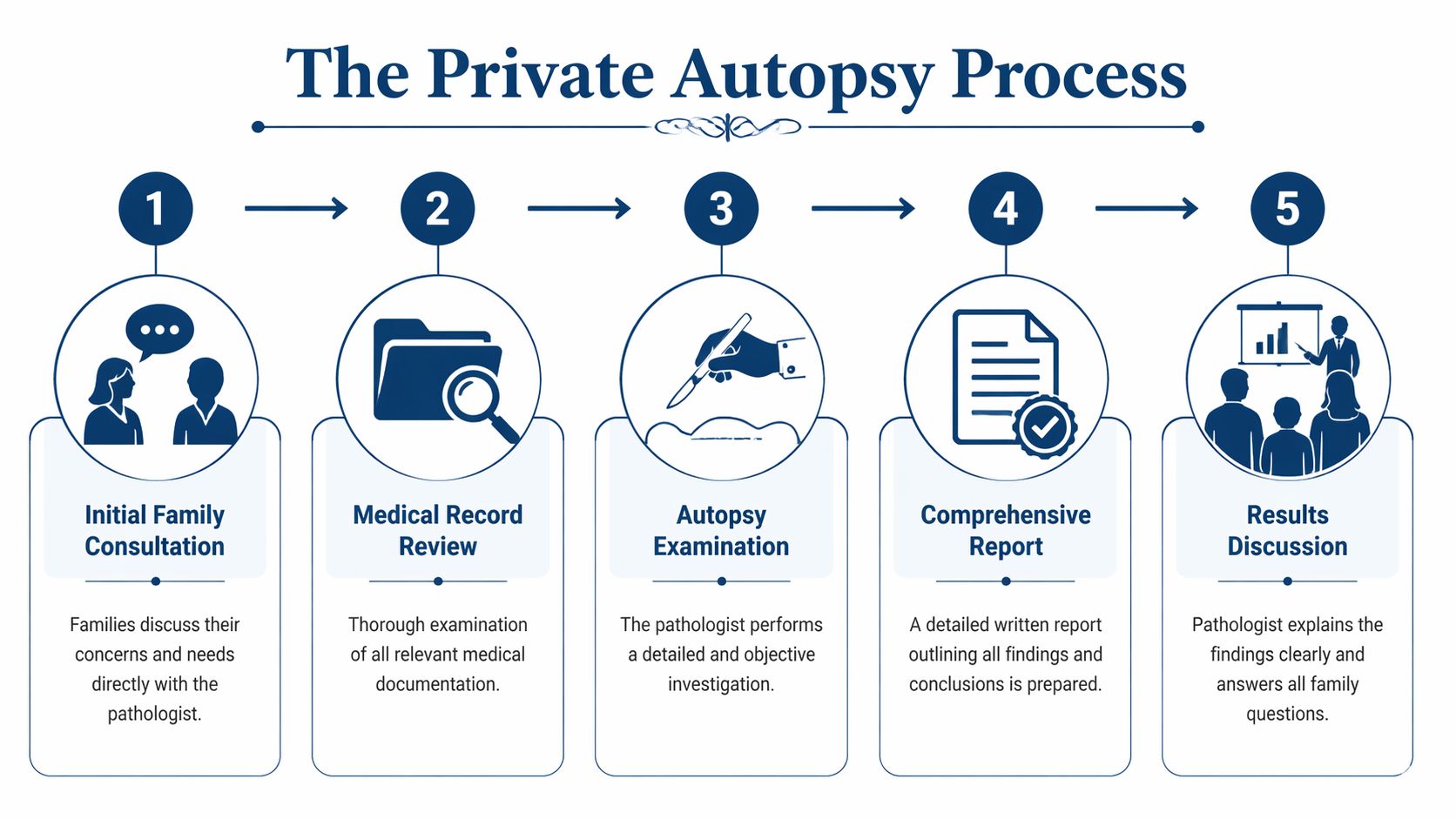
Many families call after they have been given partial answers, conflicting explanations, or no meaningful explanation at all. A private autopsy is often appropriate when the medical picture remains unclear, when a second opinion is needed, or when the circumstances of death raise concerns that deserve a more focused review.
A private examination is not an act of distrust for its own sake. It is a structured effort to obtain independent facts.
The first conversation
The process usually begins with a confidential discussion of the family's concerns. I want to know what has been reported, what questions remain open, whether there are legal or medical records available, and whether timing issues affect transport or disposition.
That early conversation is practical. Families need to know what an examination can answer, what it may not answer, and what additional testing may be useful. Clear expectations reduce confusion later.
The examination and supporting studies
The autopsy itself is a medical procedure performed with dignity and care. It includes a detailed external and internal examination and may also involve retained specimens for histology, toxicology, or other specialized analysis when indicated.
Evidence takes precedence over imagination. For example, human oral physiology during sleep makes spider ingestion nearly impossible. Sleep-related swallowing is infrequent at 2 to 4 events per hour in REM, people spend 80 to 90 percent of sleep time breathing nasally with the mouth closed, and entomologists note that the chance of a spider entering the mouth is less than winning the Powerball, according to Sleep Foundation's summary of the evidence. In pathology, that same mindset applies broadly. We ask what the anatomy and physiology make plausible before we treat a claim as credible.
What families receive
A proper report should do more than list organ weights and medical terminology. Families deserve a document that explains findings in plain English as well as formal medical language.
They should expect the report to address several points:
The core findings
What was identified on examination, what was not identified, and which findings were significant.The medical interpretation
Whether the findings support a disease process, an injury pattern, intoxication, complication of treatment, or some combination.The final opinion
A reasoned statement of cause of death and, when appropriate, manner of death.Any remaining limits
If a question cannot be answered with certainty, that should be stated directly rather than hidden behind vague phrasing.
Families do best when they receive clarity, not false certainty. A careful report distinguishes between what is known, what is likely, and what remains unproven.
What tends to help and what tends not to help
Helpful preparation includes gathering hospital records, medication information, witness accounts, and the contact details of the funeral home or facility involved. Those details can materially improve the investigation.
Less helpful is relying on a verbal summary from multiple third parties, internet theories, or assumptions about what "must have happened." The body, the records, and the laboratory findings are more dependable than recollection filtered through stress.
For readers considering an independent examination, Private Autopsies provides a practical example of the type of service families often seek when they need direct answers after a death.
The Importance of an Independent Forensic Pathologist
Independence is not a slogan in forensic pathology. It is a working condition that affects the quality and credibility of the conclusion.
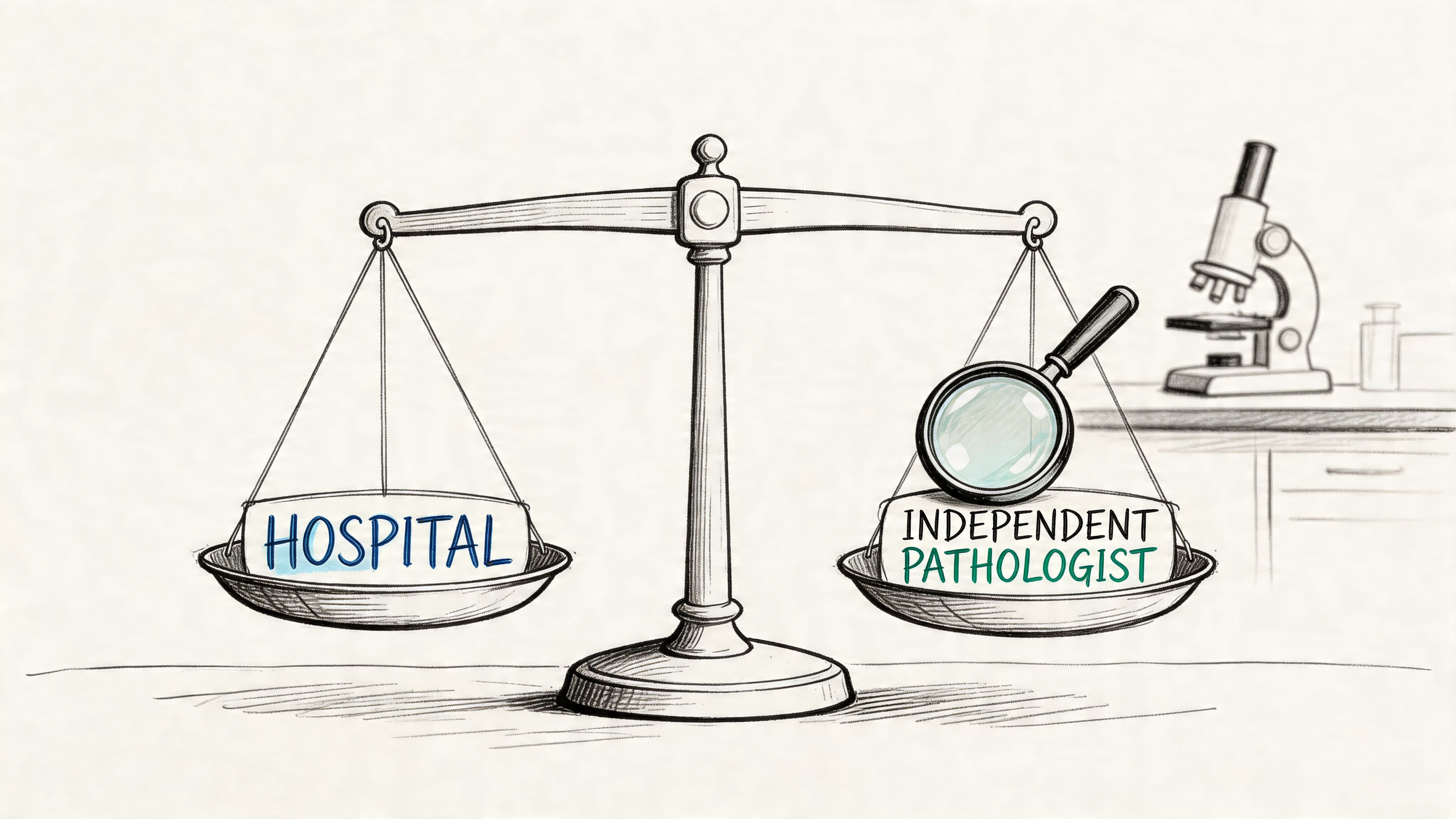
A pathologist who is independent from the treating institution or agency is better positioned to evaluate findings without institutional pressure, presumed narratives, or administrative limitations. That matters most when the reported explanation feels incomplete, when the family has concerns about medical care, or when the known facts do not fit neatly together.
Why second opinions matter after death
People understand second opinions in clinical medicine. If a living patient faces a serious diagnosis, another physician's review can be wise. The same logic applies after death.
An independent forensic pathologist can revisit the records, reassess the autopsy findings if one was already performed, review slides and photographs when available, and determine whether the original conclusion is supported. Sometimes the original opinion is confirmed. Sometimes it is refined. Sometimes it should be challenged.
That is not adversarial by default. It is quality control.
Where independence makes the biggest difference
Some situations particularly benefit from an outside review:
- Unclear hospital deaths: The sequence of events may be medically complex, and families may need a cleaner explanation than they have received.
- Possible procedural or treatment concerns: A neutral review can separate expected complication from preventable injury.
- Disputed cause of death: Attorneys, agencies, or relatives may need a medically grounded opinion that does not depend on rumor.
- Limited prior examination: In some cases, the original review was narrow, delayed, or missing key ancillary studies.
A short overview may help if you'd like to hear the subject discussed in a different format.
Independence does not guarantee a different answer. It improves the chance of a trustworthy one.
Upholding Ethical and Legal Standards in Texas
Forensic work in Texas has to be both scientifically sound and legally proper. If either part is weak, the value of the examination drops. Families need findings they can rely on, and attorneys need opinions that are defensible.
Authorization, custody, and documentation
A private autopsy begins with proper authorization. The person with legal authority over the decedent's remains must be identified, and the examination must be coordinated in a way that respects Texas requirements surrounding disposition and related decisions. In practice, that means clear paperwork, documented consent, and communication with the funeral home or mortuary handling the body.
Chain of custody means maintaining documented control over the body, specimens, and evidence from collection through analysis and reporting. If toxicology samples are drawn, tissue is retained, or photographs are taken for evidentiary purposes, each step should be traceable. That protects the integrity of the findings and reduces avoidable disputes later.
What ethical practice looks like
Ethics in pathology is not abstract. It shows up in ordinary decisions.
- Respect for the deceased: The body is handled as a person entrusted to medical care, not as an object.
- Honesty about limits: If available information prevents a definitive conclusion, that should be stated plainly.
- Confidential communication: Families deserve privacy and accurate explanation, especially when findings are sensitive.
- Neutral interpretation: The pathologist's obligation is to the evidence, not to the party who may prefer a certain answer.
The spider myth is a useful reminder here. Variations have claimed four spiders per year or even a pound of spiders in a lifetime, which the Burke Museum notes would amount to over 20,000 spiders, and the same source states that zero autopsies on record have ever revealed swallowed spiders in support of those folklore claims, as described by the Burke Museum's discussion of the myth. In forensic practice, unsupported repetition is never enough. A claim enters the report only if the evidence supports it.
Texas oversight and practical compliance
Texas families and referring professionals should expect compliance with the legal framework that governs postmortem handling and funeral service activities, including the roles of the Texas Funeral Service Commission and the relevant provisions of the Texas Health & Safety Code Chapters 711, 716, and 651 noted in practice standards. The practical value of those rules is straightforward. They create a framework for authorization, transport, handling of remains, and professional accountability.
For county work, those same principles remain essential. Public-facing information about County Forensic Autopsies reflects the same need for lawful process, clear records, and professional neutrality.
Common Questions About Private Autopsy Services
Families usually need direct answers, not long speeches. The questions below come up often, especially when grief is mixed with uncertainty.
Frequently asked questions
| Question | Answer |
|---|---|
| What is a private autopsy? | A private autopsy is an independent postmortem examination requested outside the ordinary hospital or government process. It is used when a family or legal team wants a separate medical review of the death. |
| When is a second opinion autopsy worth considering? | It is often worth considering when the stated cause of death doesn't seem to fit the circumstances, when medical care is a concern, or when the available explanation feels incomplete. |
| What is the difference between cause of death and manner of death? | Cause of death is the disease or injury that led to death. Manner of death is the classification of how the death occurred, such as natural, accident, suicide, homicide, or undetermined. |
| What does chain of custody mean in an autopsy case? | It means there is documented control over the body, specimens, and related evidence from collection through testing and reporting, so the integrity of the findings can be defended. |
| Will a private autopsy answer every question? | Not always. A careful examination can greatly improve clarity, but medicine has limits. A trustworthy report should state both its conclusions and its limitations. |
Practical points families should keep in mind
Some decisions are easier when made early. If you're considering an autopsy, it helps to raise the issue before final disposition arrangements move too far forward.
A few steps usually make the process smoother:
- Gather records early: Hospital summaries, medication lists, and contact information for the funeral home can reduce delay and confusion.
- Write down your concerns: A short list helps focus the review on the questions that matter most to your family.
- Ask how findings will be explained: A useful report should be medically rigorous and understandable to non-physicians.
- Clarify whether you need independence or a second opinion: Those are related but not identical needs.
For a more detailed overview of logistics and expectations, this discussion of a private autopsy service may be helpful.
The right time to ask for clarity is usually sooner than families think. Once records scatter and decisions move forward, some options become harder.
If you've lost a loved one and need clear, evidence-based answers, Texas Autopsy Services is available to speak with you directly and respectfully about your situation. Families, attorneys, medical professionals, and county officials can reach out for guidance on whether an independent autopsy or forensic review is appropriate, what the process may involve, and how to proceed within Texas requirements.