April 17, 2026 · Texas Autopsy Services
Accessing Real Autopsy Pics The Right Way
Learn the legal and ethical process for requesting real autopsy pics in Texas. A guide for families and attorneys from a forensic pathologist.
On this page
- A Search for Answers Beyond the Final Report
- Who Can Legally Request Autopsy Photographs in Texas
- The Formal Process for Requesting Autopsy Images
- How Forensic Photographs are Captured and Stored
- Acceptable and Unacceptable Uses of Autopsy Images
- Alternatives When Graphic Photos Are Not an Option
- Frequently Asked Questions About Autopsy Photos
When families or attorneys search for real autopsy pics, they usually aren't looking for shock value. They’re trying to resolve a contradiction. A death certificate may feel too broad. A hospital course may not match the physical findings. A lawyer may need to know whether an injury pattern supports or undermines a legal claim.
At Texas Autopsy Services, every examination is performed by a board-certified forensic pathologist experienced in medicolegal death investigations. Our work centers on one principle: follow the evidence carefully, explain it plainly, and treat the deceased and their family with respect.
TL;DR
- Real autopsy pics are protected records, not public-interest curiosities, and access in Texas depends on legal authority and proper documentation.
- Families and attorneys usually seek photographs for clarity, especially when written findings, treatment records, or witness accounts don’t fully align.
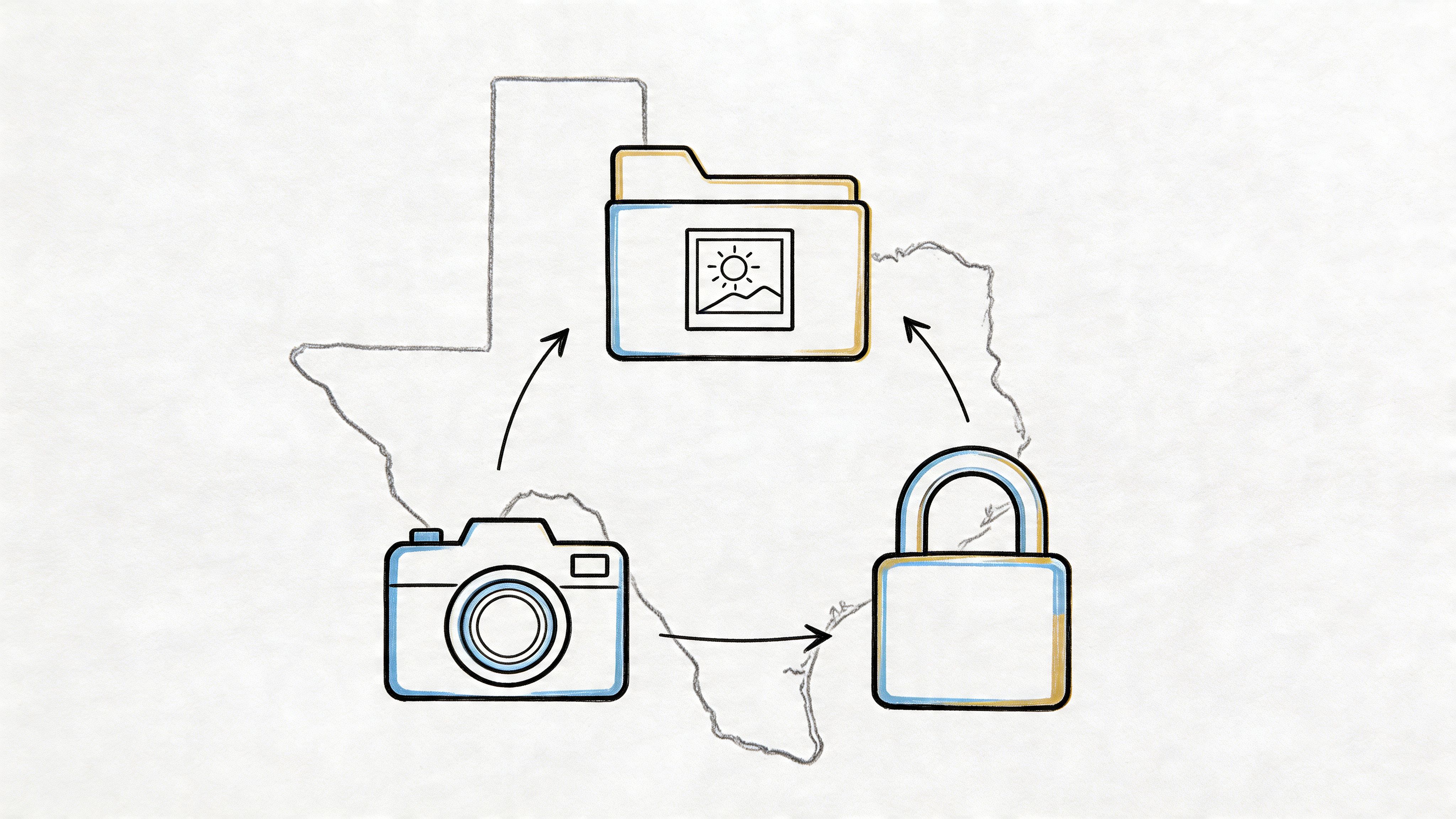
- Forensic autopsy photography follows a standardized method, including scaled images, organ documentation, secure storage, and metadata preservation.
- Not every family should view full autopsy images directly. Annotated reports, diagrams, and forensic imaging can often communicate the same findings more gently.
- The right use of these images is medical or legal clarification. Public sharing, reposting, or sensational display is inappropriate and harmful.
A Search for Answers Beyond the Final Report
Individuals who contact a forensic pathologist about autopsy photographs are already carrying a heavy burden. They may have a report in hand, but not understanding. Or they may have no report at all because access to postmortem examination was limited from the start.
In Texas, that access problem is real. Only 10 to 15% of non-mandated deaths receive autopsies due to cost and availability barriers, particularly in rural counties, which leaves many families without clear answers, according to Texas-related forensic reporting discussed here.
I see the same pattern in practice. A spouse may be told the death was natural, but the circumstances feel abrupt and unresolved. An adult child may want a second opinion after a hospitalization that ended unexpectedly. An attorney may be reviewing a case in which the visible injuries, ambulance notes, and official narrative don't fit together cleanly.
Practical rule: Autopsy photographs should answer a defined question. They should never be requested or released casually.
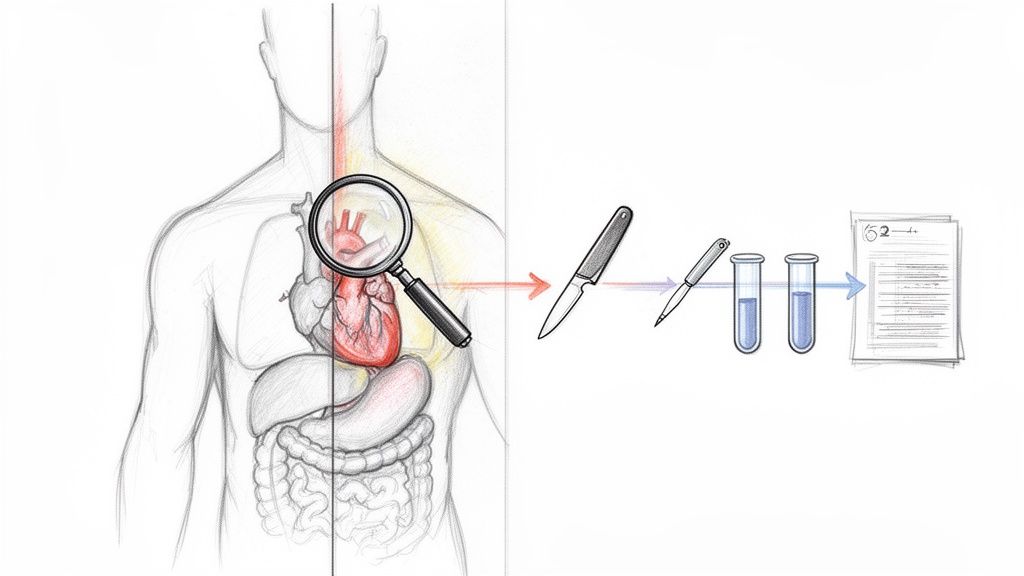
The phrase real autopsy pics creates the wrong expectation online. It suggests spectacle. In legitimate forensic work, these images serve a different purpose. They document injuries, anatomy, medical intervention, and disease in a way a summary sentence often cannot.
That distinction matters for grief as much as it does for evidence. Some families need to see a limited set of images to understand what happened. Others should not view them at all and are better served by an explained report, a conference with the pathologist, or selected annotated images. Good forensic practice is not about showing more. It’s about showing what is necessary, to the right person, for the right reason.
Who Can Legally Request Autopsy Photographs in Texas
The first issue is not preference. It’s authority. Autopsy photographs are sensitive medical-legal materials, and the person requesting them needs a lawful basis to do so.
Family authority and legal standing
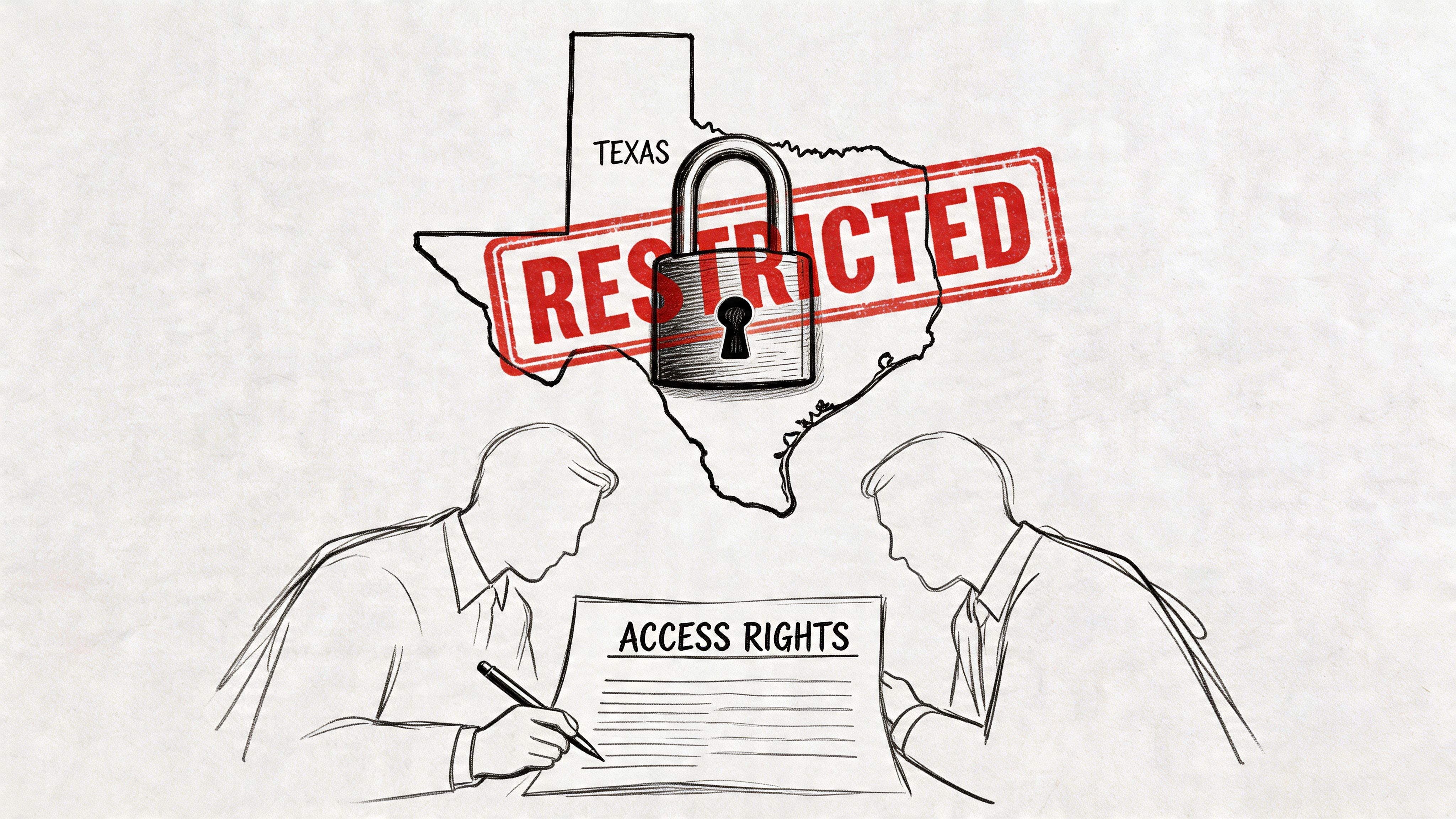
In Texas, requests usually come from next of kin or from someone authorized to act on behalf of the family or estate. In practical terms, that often means a surviving spouse, adult child, parent, or another legally recognized representative depending on the family structure and the facts of the case.
Attorneys may also request records when they represent the proper party and provide documentation showing that authority. That doesn’t mean any interested person can obtain them. A cousin, friend, journalist, or online commentator generally does not have the standing that a direct legal representative or close authorized relative has.
A useful starting point is understanding the difference between a written report and protected visual material. I’ve addressed that distinction in this discussion of whether an autopsy report is a public record in Texas.
Documents that usually matter
The request itself is often straightforward. The proof behind it is what determines whether access can move forward.
Common documentation includes:
- Government-issued identification that confirms the identity of the requester
- Proof of relationship such as records showing kinship or legal authority
- Representation paperwork if an attorney, executor, or other authorized person is acting for the family
- A written request that identifies the decedent and explains the basis for access
The more precise the request, the easier it is to review. “All records” is less helpful than identifying the decedent, date of death, and the specific materials needed.
Texas law and agency practice can differ depending on whether the examination was conducted by a county office or through a private retained process. That’s why families and lawyers should ask early who possesses the images. The answer may be a medical examiner’s office, a hospital-related system, or a private forensic pathologist retained after death.
The Formal Process for Requesting Autopsy Images
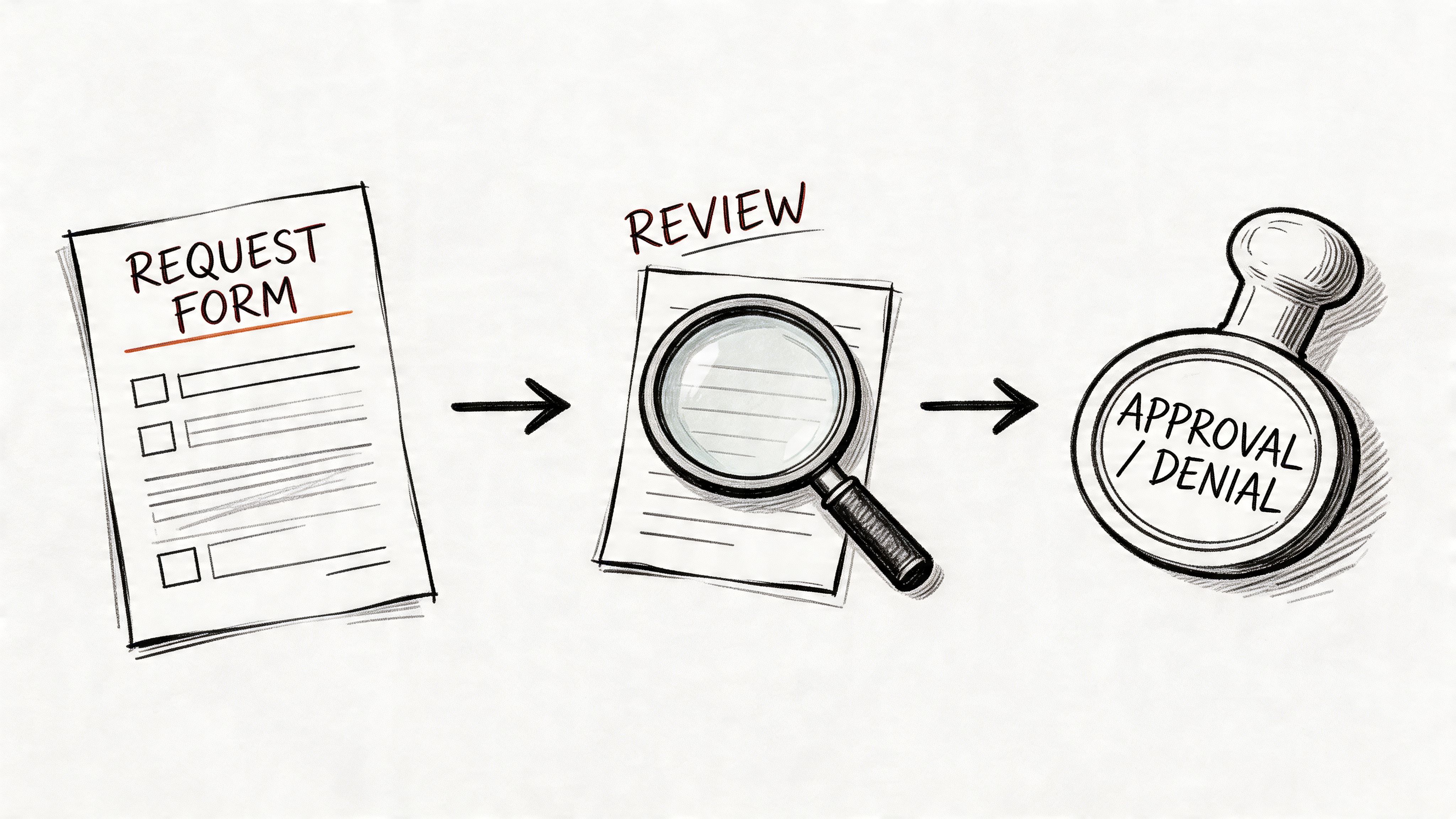
Once legal standing is established, the request process becomes a matter of documentation, custody, and controlled release. Most problems arise when people skip one of those three points.
Start with the correct record holder
The first step is identifying who performed the autopsy and who keeps the file. That may be a county medical examiner, a justice-related system, or a private forensic service retained by a family or law firm. Sending a request to the wrong office delays everything and sometimes creates confusion about whether the records exist at all.
A formal request should be written, dated, and specific. Include the decedent’s full name, available identifying information, your relationship or authority, and a clear statement that you are requesting autopsy photographs rather than only the written report.
A practical checklist usually includes:
- A signed written request with the decedent clearly identified
- Photo identification for the requester
- Proof of kinship or legal authority
- Any representation letter or estate documentation if counsel is involved
- A defined purpose when the images are needed for legal review, second opinion analysis, or family explanation
Why chain of custody matters
If the images may be used in litigation, criminal review, or a disputed insurance matter, chain of custody becomes central. In plain language, chain of custody is the documented record showing who created, handled, stored, and released the evidence.
That record protects everyone involved. It helps attorneys establish authenticity. It helps experts confirm that the images were not altered, mixed with another case, or handled loosely. It also protects families by ensuring that private images are not circulating outside the intended review process.
Key point: If a photograph might become evidence, informal texting, screenshotting, and casual forwarding are poor practice.
For readers who want a basic visual overview of request flow and review steps, this video gives useful general context:
What works and what does not
What works is a controlled process. The requester proves authority, the custodian verifies identity, the release is documented, and the images are delivered in a secure format. That is the standard I recommend whether the case is civil, criminal, or purely family-centered.
What does not work is an emotional but undocumented request. Offices cannot release graphic medical-legal material because someone feels strongly entitled to it. They need proof. They also need time to review whether any other legal limits or investigative concerns apply.
If you’re an attorney, ask early whether you need the full image set or a pathologist-selected subset tied to the injury or disease at issue. If you’re family, consider whether direct viewing is necessary or whether a guided explanation would better serve the purpose. Those are different needs, and the request should reflect that difference.
How Forensic Photographs are Captured and Stored
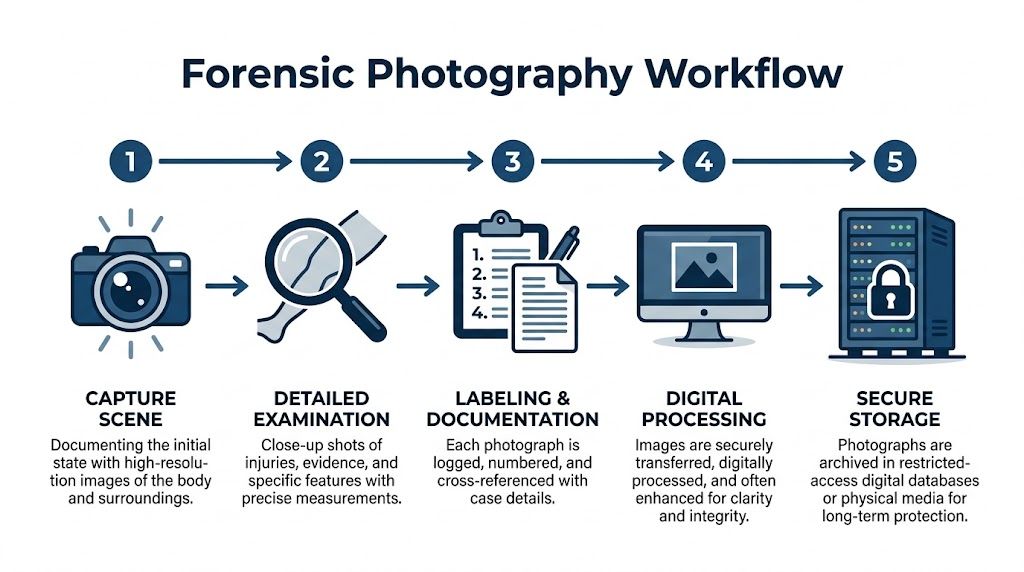
Autopsy photography is not casual documentation. It is a structured part of the examination. When done properly, it supports the report, preserves findings that change once dissection begins, and allows later review by another qualified expert.
How the images are made
In forensic pathology, high-resolution photography is critical. Protocol uses standardized scales for 1:1 ratio images, followed by internal organ photography after incision. Digital SLR cameras are preferred because they embed metadata, and this photographic evidence helps resolve 30 to 63% of discrepancies between clinical diagnoses and autopsy findings, as described in this forensic radiology review.
That method has real consequences for accuracy. If the scale is missing, size interpretation becomes less reliable. If lighting is poor, bruising and vascular color can be misread. If internal organs are not photographed in a consistent orientation, later review becomes harder than it should be.
A proper sequence generally includes:
- External documentation with a metric scale and consistent lighting
- Focused injury images with close-up detail where needed
- Internal photographs after the examination proceeds
- Organ documentation before and after sectioning when pathology must be demonstrated
- Secure digital storage that preserves timestamps and case association
Storage, preservation, and later review
Storage matters as much as capture. A technically good image loses value if it cannot be authenticated, located, or preserved in a way that supports later review by counsel or another pathologist.
Some families also have older printed records from prior cases. If a historical consultation involves paper prints rather than native digital files, it can help to digitize physical photographs for preservation before those records degrade further. That doesn’t replace original evidence handling, but it can preserve a family archive for secure review.
I’ve also written about the evidentiary side of imaging in this discussion of photography and expert witness work. The short version is simple. Good forensic photos don’t merely show a body. They document findings in a way another expert can evaluate independently.
A photograph should let a second reviewer understand what was seen, where it was seen, and how it relates to the final opinion.
Acceptable and Unacceptable Uses of Autopsy Images
Once someone obtains autopsy images lawfully, the next issue is use. Possession does not erase the duty to handle them carefully.
Acceptable uses tied to a real need
There are legitimate reasons to review real autopsy pics. A family may need an explanation that is easier to understand visually than in medical terminology. A lawyer may need to evaluate injury pattern, timing, medical intervention, or whether a written conclusion is fully supported. Another forensic pathologist may need the images for a second opinion.
Medical and legal review are the strongest justifications because they are directed toward clarification, not exposure. In those settings, access should be limited to the people who need the material and know how to interpret it responsibly.
When records must be transmitted, secure systems matter. Families and law firms that handle sensitive health-related files should use methods built for privacy. Practical guidance on HIPAA compliant document sharing can help avoid common mistakes such as unsecured forwarding or casual cloud uploads.
Uses that cross the line
Public posting is not acceptable. Sharing in group texts, social media threads, online forums, or for personal shock value is not acceptable. Using the death of a real person as graphic content is incompatible with professional ethics and severely damaging to families.
A second problem is context collapse. An autopsy image without explanation can be misunderstood even by intelligent viewers. Medical treatment lines may be mistaken for injury. Resuscitation effects may be confused with assault. Surgical changes may be misread as pathology. That is why controlled review with explanation is often safer and more accurate than unrestricted release.
Families deserve dignity. Evidence deserves context. Both are lost when graphic images are circulated without purpose or explanation.
Alternatives When Graphic Photos Are Not an Option
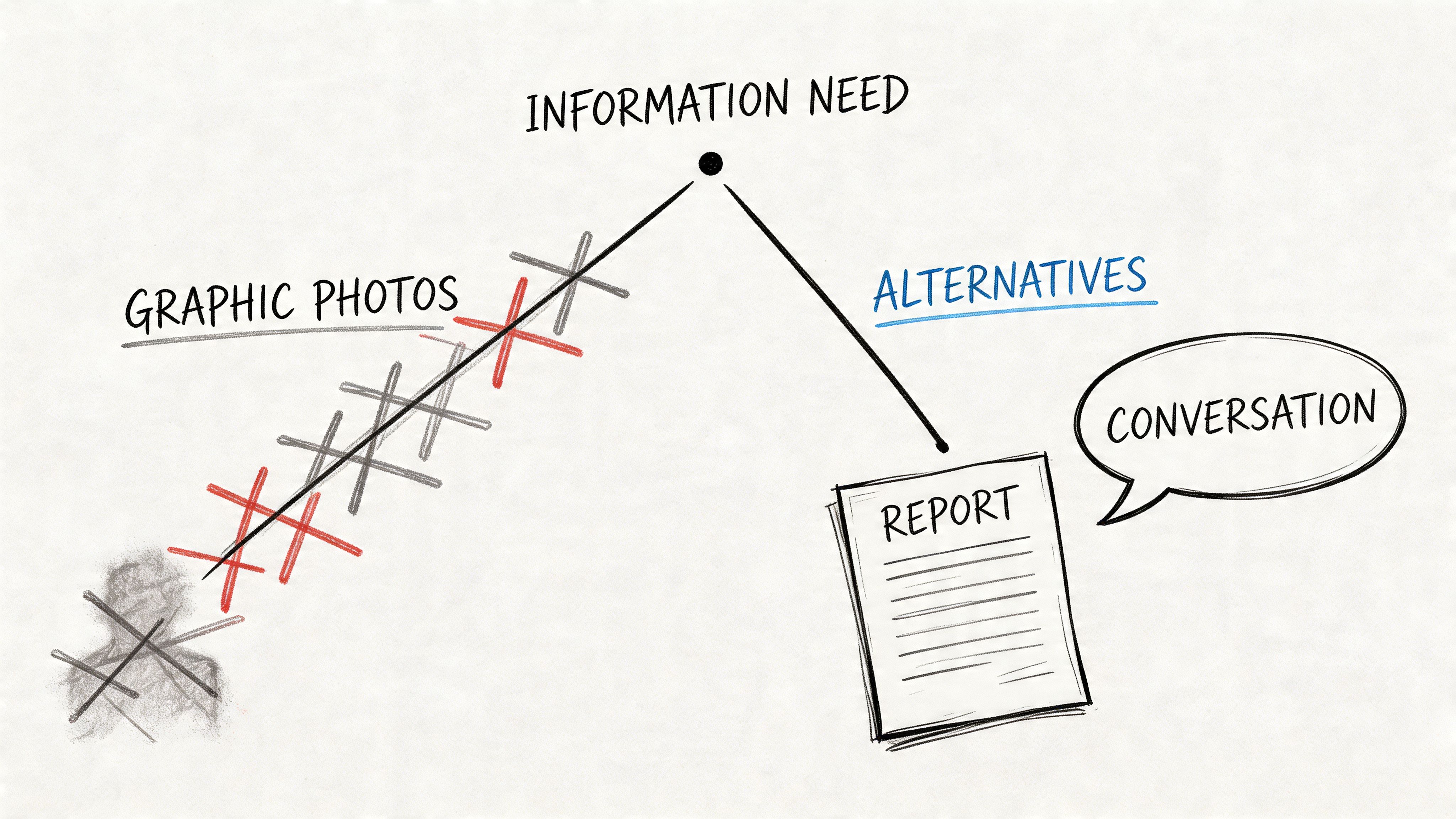
Not every person who wants answers should view full autopsy photographs. In many cases, there are better ways to communicate the key findings.
Less graphic ways to understand the findings
The most useful alternative is often a selected and annotated photo report. Instead of turning over every image, the pathologist can identify the findings that explain the cause of death and place them into plain language. That keeps the focus on explanation rather than exposure.
Other families do better with a conference and diagrams. A simple anatomical illustration can show the location of a brain hemorrhage, neck injury, organ disease, or medical device placement without requiring direct viewing of the autopsy file itself.
A private retained examination can also be structured around the family’s tolerance and goals. Depending on the case, private autopsy services may allow more individualized communication than a standard institutional release process.
Virtual autopsy and imaging options
A growing option is virtual autopsy, using PMCT or MRI to provide non-invasive internal review. According to this 2025 study overview, virtual autopsies using PMCT/MRI can detect 95% of fractures and 85% of soft tissue injuries, while preserving the body for viewing. The same source states that adoption in Texas is under 5%, while requests for forensic imaging are growing by 30% annually amid privacy concerns.
That does not mean imaging replaces every traditional autopsy. It does mean that, in the right case, it offers meaningful information with far less visual and emotional burden. For some families, especially those with strong religious, cultural, or personal concerns about invasive examination, that balance matters.
A good forensic pathologist should be able to tell you when full photographic review is necessary, when selective images are enough, and when non-invasive imaging can provide a better path.
Frequently Asked Questions About Autopsy Photos
The questions below come up often in conversations with families, lawyers, and healthcare professionals. The right answer usually depends on authority, case posture, and what problem the records are meant to solve.
Definitions that help before you ask
Three terms are worth defining in plain language:
- Cause of death means the disease or injury that led to death.
- Manner of death is the classification, such as natural, accident, suicide, homicide, or undetermined.
- Chain of custody is the record showing who handled evidence and when, so the material remains reliable for review or court use.
Those definitions matter because people often ask for images when they are really trying to resolve one of those three issues.
FAQ on Autopsy Photograph Requests
| Question | Answer |
|---|---|
| Can any relative ask for autopsy photographs? | Usually, no. The requester typically needs recognized legal authority, such as next-of-kin status or documented authority to act for the family or estate. |
| Are autopsy photos the same as the written autopsy report? | No. A report summarizes findings. Photographs are separate visual records and are handled with greater sensitivity because they are graphic and private. |
| Should families always look at the full image set? | Not necessarily. Many families understand the findings better through selected annotated images, diagrams, or a direct conference with the pathologist. |
| Can an attorney use autopsy images in litigation? | Yes, when lawfully obtained and relevant to the case. The handling should remain controlled, documented, and limited to legitimate legal use. |
| What if I need answers but don’t want graphic material? | Ask whether a limited photo summary, explanatory meeting, or forensic imaging review can provide the information in a less distressing format. |
What families and attorneys should do first
If you are a family member, start by deciding what you need. Some people need confirmation of identity, treatment, or injury location. Others need a broader second opinion. Those are different requests, and the review process should match the goal.
If you are an attorney, define the evidentiary question before asking for the entire file. For example, are you evaluating trauma, medical causation, restraint, timing, or whether the stated cause of death is fully supported. A narrower request often leads to a faster and more useful review.
For logistics after death, mortuary coordination can also affect timing and handling. In some situations, practical partnerships such as the Waterloo Mortuary pathology coordination page can help families understand how transport and examination arrangements fit together.
No article can replace case-specific legal advice or a direct forensic review. Texas procedures are shaped by the facts of death, the office that handled the case, and the authority of the requester under applicable law, including Texas Health and Safety Code provisions and the standards that govern licensed funeral and postmortem handling.
If you need careful guidance about a death, a second opinion autopsy, or the proper handling of autopsy photographs, contact Texas Autopsy Services. I and my team approach these matters with medical precision, confidentiality, and respect for the person who died and the people left asking hard questions.