May 27, 2026 · Texas Autopsy Services
What Happens if You Swallow a Bug: A Pathologist Explains
A forensic pathologist reveals what happens if you swallow a bug, from digestion to rare risks. Learn when it's harmless and when to worry.
On this page
- An Unexpected Snack The Body's Response to a Swallowed Bug
- Identifying the Real Risks Venom Allergies and Airway Obstruction
- Symptoms That Warrant Medical Attention
- A Forensic Pathologist's View on Insect-Related Incidents
- Prevention Tips and Considerations for Vulnerable Individuals
- Frequently Asked Questions About Swallowing Bugs
- Providing Clarity in Uncertain Times
Most of the time, swallowing a common, non-stinging bug like a gnat or fly is harmless because your digestive system treats it much like any other small source of protein. Significant risks are uncommon and usually involve allergy, venom, or airway obstruction, not the act of digestion itself.
It usually happens in a split second. You're outside with a drink, on a run, riding a bike, or talking with your mouth open, and suddenly something small is gone before you can react. As a forensic pathologist, I spend my professional life studying how the body is injured and how disease causes death. That perspective is useful here because it helps separate what is unpleasant from what is dangerous.
Typically, this event is more startling than medically important. Rarely, though, a swallowed insect becomes significant because it triggers an allergic reaction, injures the throat, carries contamination, or enters the airway rather than the esophagus. Those are the situations that matter clinically, and in exceptional cases, they can matter for a medical-legal investigation as well.
- Most swallowed bugs are digested without incident. The body usually breaks them down like other protein-rich food.
- The biggest dangers are not digestive. They are sting injury, allergic reaction, and airway involvement.
- A contaminated insect can cause gastrointestinal illness. One example is Shigella, which may lead to diarrhea, fever, and cramps that often resolve within 5 to 7 days when symptoms occur, according to Ohio State Wexner Medical Center.
- Red flags need prompt medical attention. Trouble breathing, swelling of the lips or throat, severe abdominal pain, persistent vomiting, or a known sting inside the mouth are not symptoms to ignore.
- From a forensic standpoint, insect-related deaths are rare. When they occur, the key question is the actual mechanism of death, such as anaphylaxis or airway obstruction.
An Unexpected Snack The Body's Response to a Swallowed Bug
A small insect that reaches the stomach usually doesn't behave like a special medical event. It behaves like swallowed organic material. Saliva, swallowing, stomach acid, and digestive enzymes move it through the same pathway used for ordinary food.
As Dr. Bobbi Pritt explains in this review of what happens when you swallow a bug, most accidental insect swallowing is medically low-risk because the digestive tract usually breaks down the insect like other protein-rich food, and Poison Control says "few if any symptoms are likely to occur" for typical ingestions.
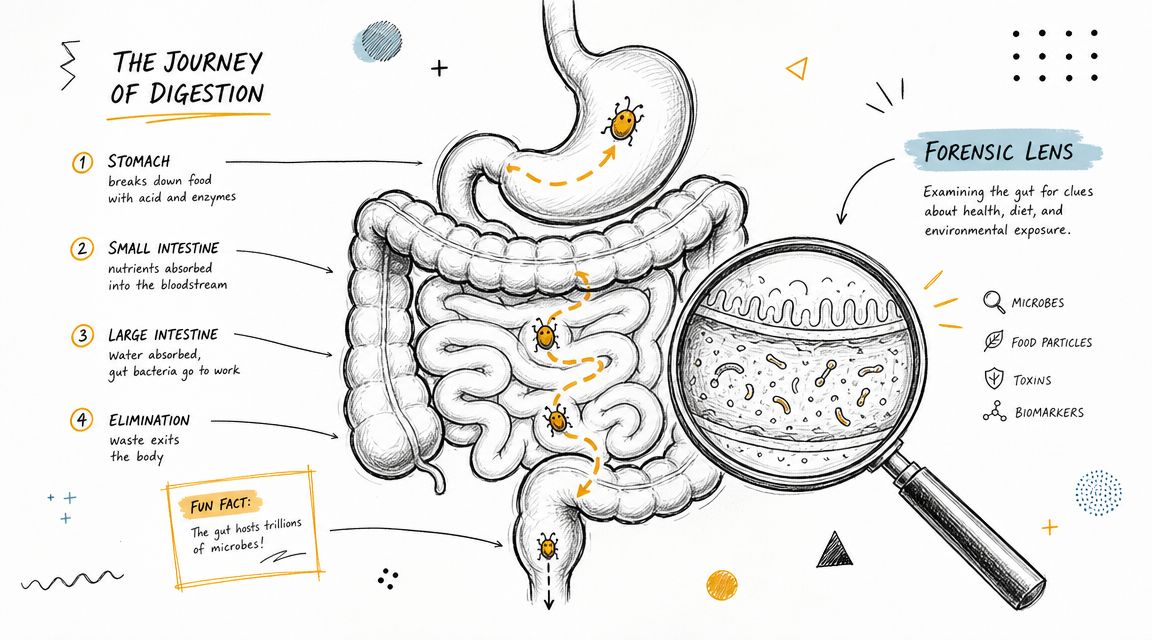
What happens from mouth to stomach
If the insect is small and you swallow it, the sequence is straightforward.
- It passes through the mouth and throat. In most cases, the body coordinates swallowing effectively and pushes the material into the esophagus.
- It reaches the stomach. Stomach acid begins to break down soft tissues and other organic components.
- Digestive enzymes continue the process. The insect is handled much like any other swallowed protein source.
- The remainder moves through the intestines. Its passage typically goes unnoticed afterward.
That basic biology is one reason accidental swallowing is usually uneventful. It also fits a broader human reality. The same source notes that many regions of the world already use insects as a major protein source, which tells us that the human body can commonly process insect material without harm when the insect isn't venomous, biting, or contaminated.
Practical rule: If you swallowed a tiny, ordinary bug and you feel normal afterward, observation is usually enough.
What usually does not happen
People often picture the insect surviving in the stomach, laying eggs, or causing damage by existing there. That isn't how this normally works. A healthy digestive tract is built to break down a wide range of biological material.
What matters is not the idea of "a bug in the stomach." What matters is whether the insect had a sting, bit the mouth or throat, carried contamination, or went into the airway instead of down into the stomach.
Identifying the Real Risks Venom Allergies and Airway Obstruction
The danger changes when the insect is not a harmless gnat. A swallowed bee, wasp, fire ant, or certain caterpillars creates a different medical problem because the threat comes from venom, tissue injury, and allergic response.
Mayo Clinic explains this clearly in its discussion of accidental insect swallowing. The highest-risk scenarios involve stinging insects. Swallowing one can injure the mouth or throat and, in allergic individuals, can lead to hives, swelling, difficulty breathing, and even cardiac arrest. The same source also notes that people with shellfish allergies may need to be cautious because of potential cross-reactivity with edible insects.

The three problems that actually matter
Venom exposure comes first. If a live stinging insect reaches the mouth or throat, it may sting before it is swallowed or while it is being crushed. In that situation, the injury is local at first, but the airway is close by, so swelling matters.
Allergic reaction is the next concern. Someone with prior sensitization can deteriorate quickly after even a single sting. Immunology is complicated, but the core issue is that the immune system misidentifies the exposure as a major threat and mounts an excessive response. If you'd like a plain-language primer on how the body recognizes threats, understanding viral defense mechanisms gives useful background on antigens and antibodies.
A third issue is airway obstruction. This is less about digestion and more about anatomy. If the insect goes toward the larynx or below the vocal cords instead of into the esophagus, coughing may expel it. If it does not, that becomes a true airway problem.
A related question comes up often with bee stings specifically. I addressed that separately in my discussion of what happens if you swallow a bee.
A swallowed bug is usually a stomach issue only when it actually reaches the stomach. A bug in the airway is an entirely different event.
Later in this scenario, symptoms tell you which path you're on. Mild nausea can happen. Rapid swelling, wheeze, hoarseness, or trouble breathing should never be treated as routine.
For readers who prefer a visual summary, this overview is helpful:
Symptoms That Warrant Medical Attention
Once the moment has passed, the key question is simple. Are symptoms developing that suggest sting injury, allergic reaction, or contamination? Individuals generally remain well. The cases that need attention usually declare themselves through a fairly short list of findings.
Ohio State Wexner Medical Center notes in its explanation of swallowed insects and medical risk that the key concerns are venom or allergen exposure and vector-borne contamination. The same source notes that a housefly might transmit Shigella, causing diarrhea and cramps that often resolve in about 5 to 7 days, and that any respiratory symptoms, mouth sting, or severe abdominal pain should be treated as a red flag.
Symptom Severity and Recommended Action
| Symptom | Potential Cause | Recommended Action |
|---|---|---|
| Difficulty breathing, wheezing, or throat tightness | Allergic reaction or airway involvement | Seek emergency medical care immediately |
| Swelling of the lips, tongue, face, or throat | Sting reaction or anaphylaxis | Seek emergency medical care immediately |
| Mouth or throat pain after swallowing a live insect | Sting or bite injury | Prompt medical evaluation |
| Severe abdominal pain | Significant irritation or another medical problem requiring assessment | Medical evaluation |
| Persistent vomiting | Irritation, toxin exposure, or another illness not behaving like a minor event | Medical evaluation |
| Diarrhea, fever, and abdominal cramps developing afterward | Possible contamination such as Shigella carried mechanically by a fly | Contact a medical professional, especially if symptoms are significant or worsening |
What observation looks like
If the insect was small, non-stinging, and you're symptom-free, a calm period of observation is usually the right response. Drink fluids as tolerated. Pay attention to breathing, swelling, worsening pain, or ongoing gastrointestinal symptoms.
If symptoms do appear later, it helps to think about pattern rather than panic. Respiratory symptoms point toward airway or allergy. Gastrointestinal symptoms developing afterward may fit contamination. For readers trying to distinguish infection patterns in general, BacteriaFAQ on bacterial vs viral offers a practical symptom comparison.
Clinical judgment matters most when symptoms are evolving, not when the event itself was merely unpleasant.
A Forensic Pathologist's View on Insect-Related Incidents
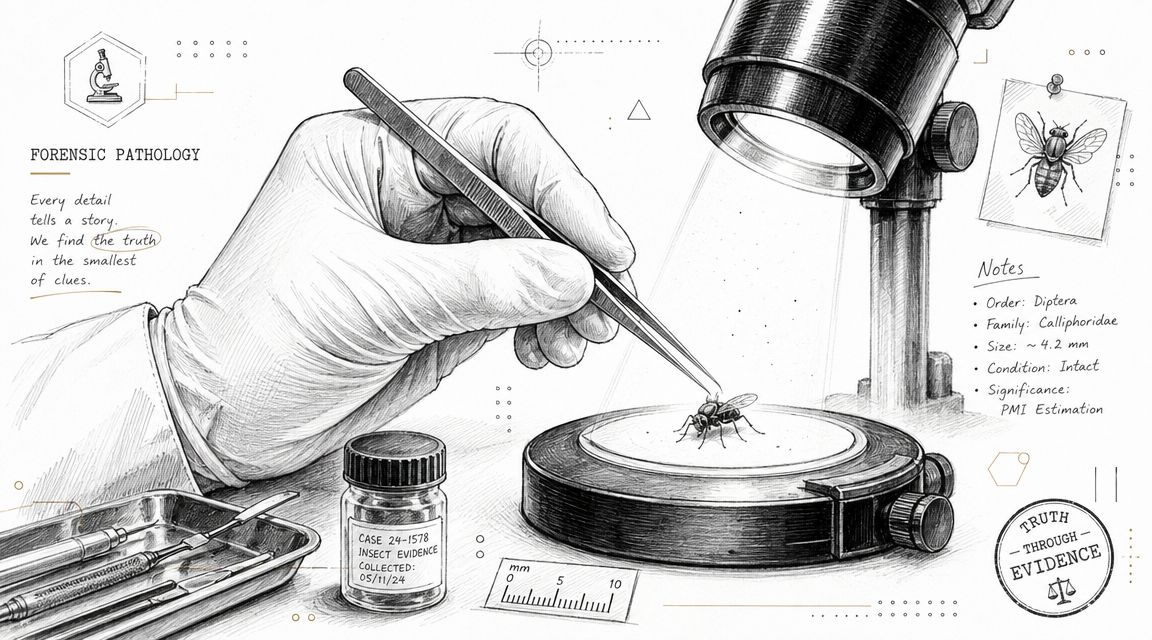
In my field, the unusual cases are the ones that require disciplined attention to mechanism. Most swallowed bugs never come anywhere near a forensic investigation. Rarely, however, an insect-related death does occur, and then the question is not "Was there a bug?" The question is how the bug caused death.
Cause of death and manner of death
A cause of death is the disease or injury that led to death. In an insect-related fatality, that might be anaphylaxis after a sting to the mouth or throat, or asphyxia from airway obstruction.
A manner of death is the category used in death investigation, such as natural, accident, suicide, homicide, or undetermined. In a case involving accidental ingestion of a stinging insect, the manner might be accidental, but the specific facts always matter.
A third term families and attorneys may hear is chain of custody. That means documented control over evidence from collection through examination, so that the findings can be trusted and, when needed, defended in a legal setting.
What the examination looks for
A forensic pathologist approaches these cases by matching history, scene information, medical records, and anatomic findings. If the concern is fatal allergic reaction, I look for evidence consistent with airway swelling and acute systemic reaction. If the concern is aspiration or obstruction, I evaluate the airway carefully and document what is present, where it is located, and whether it plausibly interfered with breathing.
The job is careful documentation, not assumption. A reported history from a witness may be accurate, incomplete, or mistaken. The body, the records, and the circumstances have to fit together.
For readers who want a broader overview of the specialty itself, what a forensic pathologist does explains the role in more detail.
In death investigation, precision matters more than drama. Small findings can answer large questions.
When uncertainty remains after a death, a postmortem examination can clarify mechanism, timing, injury, and natural disease. That is often as important for families as it is for attorneys or public officials who need a medically sound explanation.
Prevention Tips and Considerations for Vulnerable Individuals
Most of these events are accidental and difficult to predict. Prevention is mostly common sense. The practical goal is to reduce exposure in the settings where insects and open mouths tend to meet.
Situations where prevention helps
- Outdoor drinks: Check cans, bottles, and cups before each sip, especially around sweet beverages that attract bees and wasps.
- Meals outside: Keep food covered when possible. If you host outdoor meals often, these strategies for fly-free meals are a sensible starting point.
- Running and cycling: Be more cautious when breathing hard outdoors, especially in warm months and near flowering areas or trash receptacles.
- Children at play: Watch young children closely if they are curious about insects or tend to place objects in their mouths.
People who need extra caution
Young children deserve special mention because their airways are smaller and they may not describe symptoms clearly. A child who suddenly coughs, gags, drools, or appears distressed after putting something in the mouth should be assessed based on airway risk first.
People with known insect sting allergy should also take these incidents more seriously. The same is true for anyone with asthma or a history of significant allergic reactions. For them, the issue isn't that insects are broadly dangerous. It's that their personal risk profile is different.
Immunocompromised individuals may also be less forgiving of contamination from anything dirty, including an insect that has landed on food or drink. That does not mean every exposure becomes an emergency. It means the threshold for calling a clinician may be lower if symptoms develop.
Frequently Asked Questions About Swallowing Bugs
Direct questions usually help most here. The answer depends less on the disgust factor and more on the kind of insect, the symptoms, and whether the bug was swallowed or inhaled.
FAQ on Swallowing Insects
| Question | Answer |
|---|---|
| If I swallowed a gnat or small fly, what happens next? | In most cases, the insect passes into the stomach and is digested like other organic material. If you remain symptom-free, observation is usually enough. |
| Can swallowing a bug cause an infection? | It can, but that is not the usual outcome. The more meaningful concern is contamination carried on the insect rather than the insect tissue itself. Symptoms such as diarrhea, fever, and cramps after the event deserve attention. |
| What if I don't know what kind of bug I swallowed? | Focus on symptoms and circumstance. If there is any sign it may have been a stinging insect, or if you develop swelling, breathing trouble, persistent vomiting, or severe pain, seek medical care. |
| Is the bug itself likely to poison me? | For a typical small, non-stinging insect, poisoning is not the usual concern. Risk rises when the insect stings, bites, irritates tissues, or carries contaminants. |
| What should parents do if a child swallows a bug? | Stay calm and watch the child's breathing first. If the child coughs persistently, struggles to breathe, develops swelling, or seems unable to swallow normally, seek urgent evaluation. If the child looks well and remains comfortable, observation is often appropriate. |
Two misconceptions worth clearing up
One common myth is that any swallowed bug is automatically dangerous. It isn't. Another is that insects routinely cause hidden infestation after being swallowed. That is not the usual clinical concern in this setting.
A related myth appears every year in a different form, including the bedtime version addressed in the question of whether you swallow spiders when you sleep. Public anxiety often attaches to vivid images rather than to the actual biology.
Most reassurance in medicine comes from understanding the mechanism. Once you know the mechanism, the fear usually becomes proportionate.
Providing Clarity in Uncertain Times
The body handles ordinary exposures remarkably well, and swallowing a bug is usually one of them. The exception is when the event involves the airway, a sting, an allergic response, or contamination that leads to meaningful symptoms. Those are the situations that justify closer medical attention.
From a forensic perspective, the same principle applies. Common events are common. Rare fatal outcomes are rare. But when a death does raise questions, the answer has to come from disciplined examination, accurate definitions, and respect for the facts.
Families, attorneys, and agencies often need clarity more than anything else. Clear medical explanation can reduce confusion, support legal decision-making, and help people understand what happened.
If you are facing unanswered questions after a death and need an independent review, Texas Autopsy Services provides private autopsy and forensic pathology services across Texas. My office approaches each case with medical precision, objectivity, and respect for the family involved.