June 16, 2026 · Texas Autopsy Services
What Happens if You Swallow a Cockroach a Medical Guide
Curious about what happens if you swallow a cockroach? Our experts explain the medical risks, symptoms to watch for, and immediate steps you should take.
On this page
For most healthy people, accidentally swallowing a single cockroach is usually not a medical emergency. The main concern is contamination, because about one quarter of microorganisms isolated from cockroaches are food-borne pathogens.
That's the point where clarity is often needed upon realizing what just happened. The body can usually digest the insect itself, but the anxiety comes from what the cockroach may have picked up from unsanitary surfaces before it ended up in food or drink. In pathology, that distinction matters. The foreign body is rarely the true problem. The environmental exposure is.
When we explain unusual ingestion scenarios, we try to separate what is unsettling from what is medically significant. Swallowing a cockroach is certainly unpleasant. In most cases, though, the important questions are whether symptoms develop, whether there is evidence of a larger sanitation problem, and, in rare forensic settings, whether insect exposure points to neglect or a hazardous living environment.
The Immediate Aftermath How Your Body Responds
You swallow a bite, then notice the cockroach a second too late. The first response is usually revulsion, followed by a sharper fear that the insect will injure you internally. In routine medical terms, that sequence is understandable, but the usual outcome is much less dramatic than people expect.
What happens in the first minutes
If the insect was swallowed rather than inhaled, it moves down the esophagus and into the stomach like other food material. From a pathology standpoint, the gastrointestinal tract is built to handle biologic matter, including material with firm outer parts and soft internal tissue. A cockroach is unpleasant to ingest, but once it reaches the stomach, it does not behave like a special or persistent intruder.
Digestion begins quickly.
Gastric acid, digestive enzymes, and the mechanical churning of the stomach start breaking down the insect's tissues. The outer shell can be more resistant than the internal structures, but resistance is not the same as danger. In healthy adults, the expected course is simple digestion followed by passage through the intestines.
The practical question in the first hour is whether this was true swallowing or whether part of the insect entered the airway. Airway entry can cause coughing, choking, throat irritation, or a persistent sensation that something went down the wrong way. That is a different problem from digestion and deserves more attention if those symptoms are present.
Why the insect usually does not act like a dangerous foreign body
In forensic pathology, we separate organic material from the kinds of swallowed objects that commonly create obstruction or perforation. A cockroach falls into the first category. It is biologic material that the digestive system will usually process, not a rigid object with the profile of a coin, battery, bone fragment, or sharp metal piece.
That distinction matters because people often overestimate the mechanical risk and underestimate the context. Panic-driven self-treatment, especially inducing vomiting, can irritate the throat and increase the chance of aspiration. Observation is usually safer than reaction. Readers who want a broader comparison can review this related discussion of what happens if you swallow a bug.
A second trade-off involves the surrounding environment. One isolated insect in food is handled differently from a setting with visible infestation, poor sanitation, or repeated contamination events. In those cases, the larger health issue may be the condition of the home, kitchen, or food-preparation area, including whether other pests are present. Property owners dealing with that wider problem sometimes need environmental correction, not just reassurance, and that can include professional fly control.
For most healthy people, the immediate aftermath is limited to disgust, brief nausea, and normal digestion. The medical concern rises when symptoms suggest airway involvement, allergic reaction, significant gastrointestinal distress, or a contaminated environment rather than a single accidental ingestion.
Pathogens and Contamination: The Primary Concern
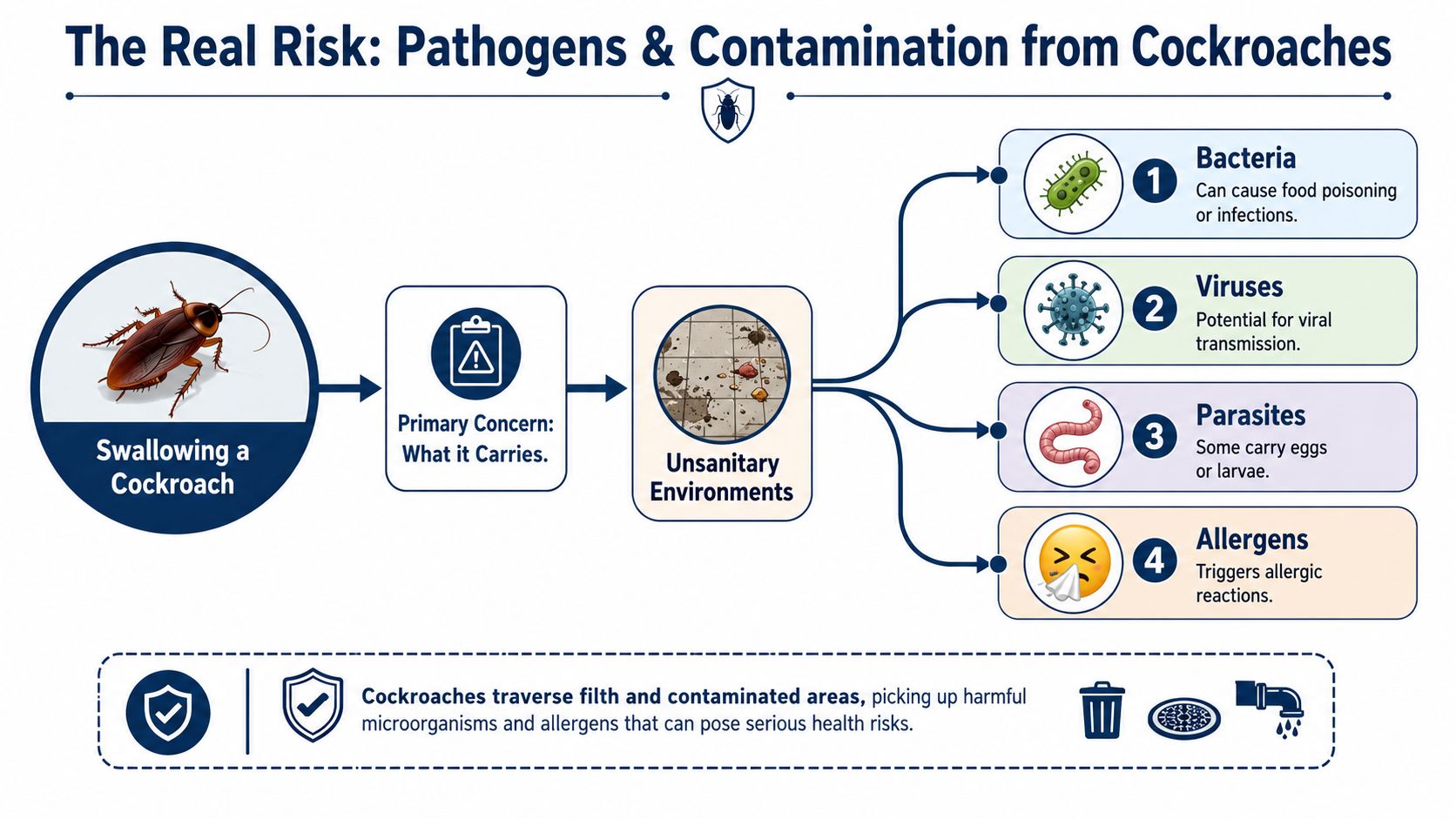
A swallowed cockroach is usually processed as organic material. The pathology concern is exposure to whatever the insect carried before it reached the mouth.
Why contamination deserves more attention than the insect itself
Cockroaches travel through drains, garbage, food residue, and sometimes fecally contaminated areas. In pathology terms, that makes them potential mechanical vectors. They can pick up microorganisms and allergens on their legs, body surfaces, and gut contents, then deposit that material onto food, utensils, or preparation surfaces.
That distinction matters in practice. One accidental ingestion from an otherwise clean setting is very different from repeated exposure in a kitchen with visible infestation, spoiled food, or poor sanitation. In the second situation, the cockroach functions less like an isolated contaminant and more like a marker of environmental failure. Readers dealing with a broader household pest problem may need sanitation correction and professional fly control, not just reassurance about a single episode.
What evidence-based medicine supports
Published medical and laboratory discussions have long treated the concern here as contamination, not bodily injury from the insect itself. Cockroaches have been associated with carriage of enteric organisms such as Salmonella, E. coli, Shigella, and Bacillus species. That does not mean every swallowed cockroach causes infection. It means there is a plausible route for gastrointestinal illness, especially if the insect came from a heavily contaminated environment or the food had been sitting exposed.
From a forensic perspective, this is an exposure question. The same reasoning used in case review applies here. Investigators ask where the insect came from, what surfaces it contacted, whether other people ate the same food, and whether the setting shows signs of infestation. Those details matter more than the insect's size or appearance.
For readers comparing related accidental ingestions, our article on swallowing a fly and what that usually means medically outlines a similar contamination pathway with a different insect source.
Practical response after a contamination event
A calm response is usually the right one.
- Discard the affected food or drink. If the cockroach was in the meal, assume the surrounding item was exposed.
- Clean nearby surfaces and utensils. This reduces the chance of repeat exposure from the same event.
- Watch the setting, not just the swallow. Multiple sightings, droppings, or recurring contamination point to an environmental problem that needs correction.
- Monitor for gastrointestinal symptoms. Illness, if it occurs, is more likely to come from contamination than from the insect body.
In my field, isolated ingestion rarely becomes a major medical event. Cases become more serious when the swallow is part of a larger pattern involving infestation, food contamination, vulnerable health status, or disputed circumstances. That is where a common household scare intersects with forensic pathology. The insect can become evidence of the environment in which the exposure occurred.
Symptoms to Watch For and When to Seek Medical Help
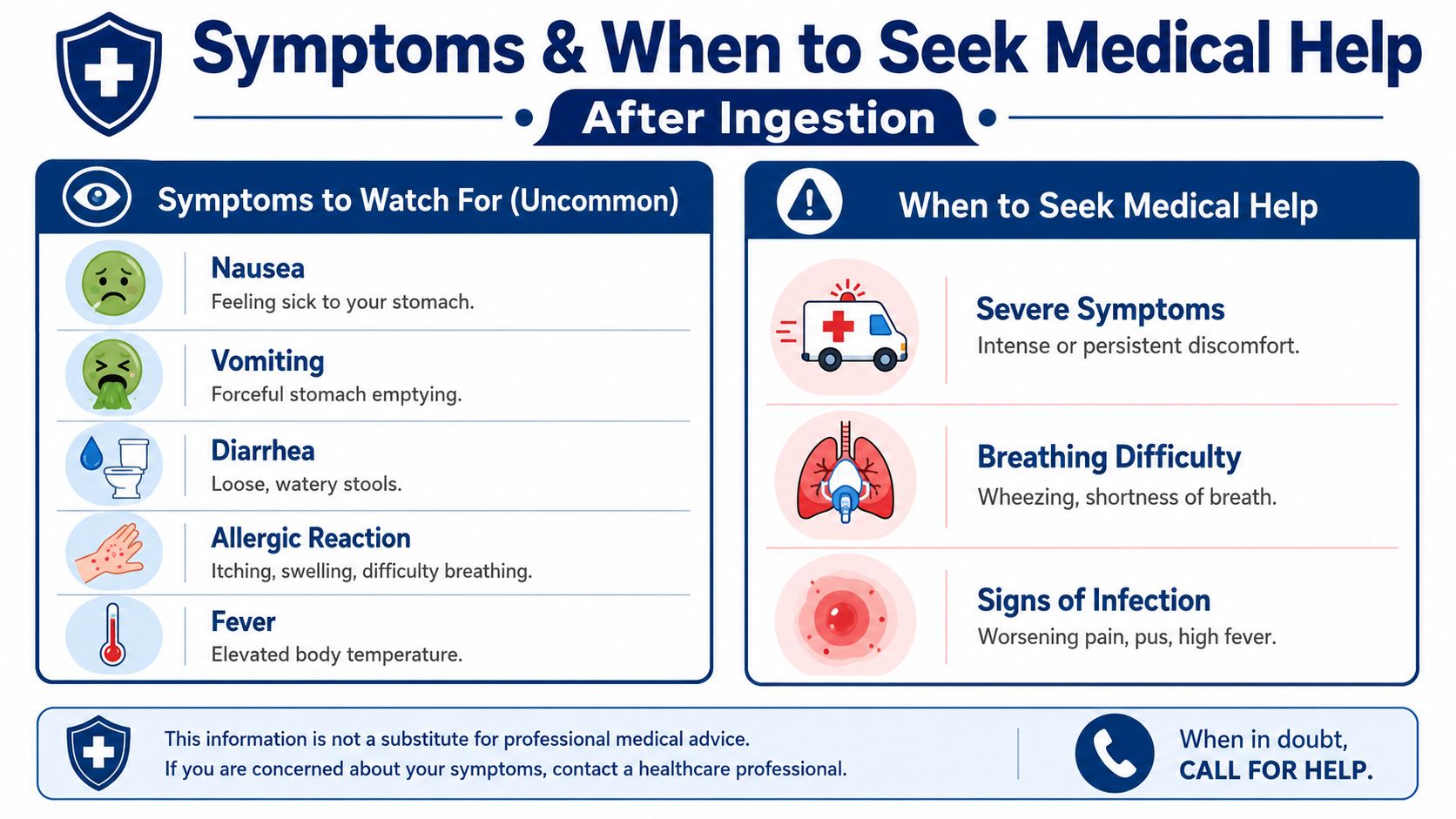
Most accidental ingestions end with no symptoms at all. When symptoms do occur, they're more likely to resemble a short-lived gastrointestinal illness than a dramatic internal injury.
What mild symptoms can look like
Based on the contamination pathway described in pest and medical discussions, short-term symptoms can include nausea, vomiting, diarrhea, abdominal discomfort, or features of gastroenteritis. Hoffer Pest Control's discussion of cockroaches notes the concern that they can carry enteric pathogens such as Salmonella and E. coli on their body surfaces, creating a plausible pathway for these kinds of symptoms in their overview of cockroach contamination risks.
For most readers, the practical approach is observation. If symptoms are mild and limited, many cases resolve without escalation. That said, symptoms should always be interpreted in context. A person with asthma, significant allergies, immune compromise, or frailty deserves a lower threshold for professional evaluation.
A related example involving another insect appears in our article on swallowing a fly, where the pattern is similar. The key issue is usually contamination and symptom monitoring, not the insect body itself.
Warning signs that deserve prompt evaluation
This is the point where routine reassurance should stop and clinical caution should start.
- Breathing problems: Wheezing, throat tightness, or shortness of breath may suggest aspiration or an allergic reaction.
- Persistent vomiting or diarrhea: Ongoing fluid loss can become more significant than the original event.
- Fever or worsening illness: A progressive pattern raises more concern than a brief upset stomach.
- Blood in stool or severe abdominal pain: These are not typical “watch and wait” symptoms.
For readers who prefer a visual summary, this brief video outlines practical warning signs and next steps.
Seek medical attention promptly if breathing becomes difficult or if symptoms are severe, persistent, or clearly worsening.
Debunking Myths About Swallowing an Insect
The fear attached to this topic is often biological fiction rather than medical fact.
No, it can't live in the stomach
A swallowed cockroach does not take up residence in the stomach. The stomach is an acidic digestive chamber, not a survivable habitat for an insect. There is no meaningful forensic or clinical basis for the common fear that it will keep moving around inside the body for an extended period.
This myth persists because the emotional reaction is strong. People remember the moment, not the physiology. Once the insect is swallowed into the digestive tract, normal digestive processes begin acting on it.
No, it can't lay eggs inside you
Another recurring fear is that a cockroach might lay eggs after being swallowed. That is not a realistic biological scenario. The internal conditions of the stomach and upper digestive tract do not support survival, development, or reproduction of a swallowed cockroach.
A better use of concern is to ask whether the event indicates poor food handling or an infestation. Those are real-world problems with practical consequences.
Here is the useful distinction:
| Concern | Reality |
|---|---|
| The cockroach will survive in the stomach | Not a realistic outcome |
| The cockroach will reproduce inside the body | Not a realistic outcome |
| Contaminated food may cause stomach symptoms | Plausible |
| Repeated exposure may signal an environmental problem | Important to address |
The Forensic Perspective When an Insect Becomes Evidence
In everyday life, swallowing a cockroach is usually a minor ingestion event. In forensic pathology, insects can carry a very different significance.
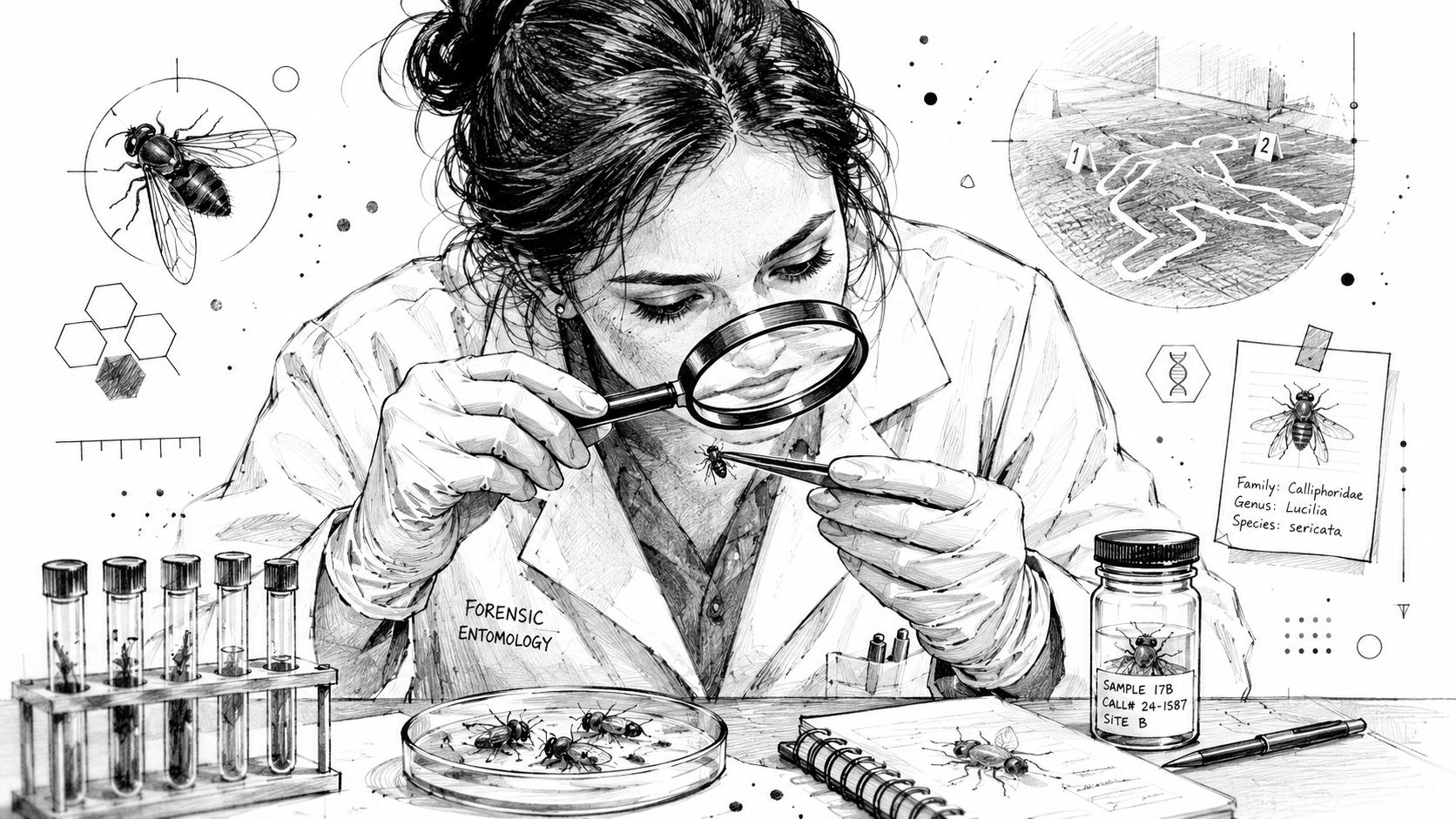
When ingestion matters in a death investigation
During a cause of death investigation, insect evidence can help establish environmental conditions, possible neglect, or the timeline surrounding death. That is a separate discipline from the question most living readers ask, but the bridge is real. A small biological detail can become evidentiary when it helps explain circumstances.
For example, insect fragments in the digestive tract may matter if investigators are considering prolonged exposure to unsanitary conditions. In some settings, that finding may support a broader picture of inadequate care, hazardous living arrangements, or severe infestation. It does not automatically determine the cause of death, but it can be part of the scene-to-autopsy correlation.
This is one reason forensic work depends on precision. Cause of death means the disease or injury that led to death. Manner of death means the classification of how the death occurred, such as natural, accident, suicide, homicide, or undetermined. Chain of custody means the documented handling of evidence from collection through analysis so its integrity can be defended later.
Why documentation and context matter
The same principle applies whether the issue is environmental contamination or a medicolegal investigation. Context changes the meaning of the finding. A single swallowed insect in a healthy person is one thing. Insect evidence in a neglected living environment, or in a decedent with signs of poor care, is another.
Our field also pays attention to what insects may carry from the environment. As noted in this discussion of cockroach contamination and enteric pathogens in Hoffer Pest Control's article on cockroach health risks, the concern is often not the insect tissue itself but what was present on its body surfaces. In forensic review, that distinction helps determine whether an insect finding is incidental or meaningful.
Families and attorneys seeking an independent review of a death sometimes need exactly that kind of careful interpretation. In those cases, private autopsy services in Texas can help clarify whether a finding reflects an isolated detail or part of a larger pattern that affects the medical and legal picture.
In forensic pathology, small findings matter most when they fit consistently with the scene, the medical history, and the full examination.
Frequently Asked Questions About Ingesting Insects
Is the risk greater for children older adults or immunocompromised people
Yes, the concern is generally higher in people with less physiologic reserve or weaker immune defenses. A healthy adult often tolerates a one-time exposure without consequence. A young child, frail older adult, or immunocompromised person may have a lower margin for contamination-related illness.
That doesn't mean severe illness is expected. It means symptoms in those groups deserve more careful attention and a lower threshold for professional evaluation.
What if you only found one in the food
If you found a cockroach in the meal but aren't sure you swallowed any part of it, the safer practical interpretation is still contamination of the food item. The concern isn't limited to the visible insect. It includes what may have been transferred to the surrounding food.
In real-world terms, finding one cockroach often raises a second question. Was this an isolated intrusion, or evidence of a broader infestation? If the issue appears ongoing, local remediation matters. Readers outside Texas who are dealing with repeated roach activity may look for region-specific help such as Northwest Indiana pest control for cockroaches, because repeated pest exposure is an environmental health issue, not just a one-time nuisance.
Does cooking remove the concern
Cooking can reduce microbial risk in many settings, but it does not erase the significance of finding a cockroach in prepared food. From a practical standpoint, the presence of a cockroach still points to a failure in sanitation or food handling.
The useful question is not whether the insect was heated. The useful question is what the finding says about the environment in which the food was prepared, stored, or served.
When does a pest issue become an environmental health issue
It becomes an environmental health issue when the problem is recurrent, involves food preparation areas, affects vulnerable people, or reflects wider unsanitary conditions. That is where pathology and public health begin to overlap.
A repeated infestation can matter far beyond disgust. It can change the risk profile of a home, care setting, rental property, or business. In rare forensic settings, it can also become part of the factual record used to evaluate neglect, living conditions, and exposure history.
If your family, law firm, or agency needs a careful, independent review of a death involving questions about environment, sanitation, neglect, or unexpected findings, Texas Autopsy Services is available to help. Every examination is performed by a forensic pathologist certified by the American Board of Pathology, and our team serves all 254 Texas counties with clear communication, full chain of custody, and respectful, evidence-based reporting.