August 25, 2026 · Texas Autopsy Services
Therapeutic Drug Levels in Forensic Toxicology
Learn how therapeutic drug levels are measured, interpreted, and applied in forensic and postmortem toxicology across Texas investigations.
On this page
- What Therapeutic Drug Levels Mean
- How Samples Are Collected, Tested, and Reported
- Common Therapeutic Ranges by Drug Class
- What Can Push a Level Up or Down
- Clinical Versus Postmortem Interpretation
- How Texas Autopsy Services Handles Toxicology
- Common Misconceptions About Toxicology Results
- Frequently Asked Questions for Families and Attorneys
A family receives a toxicology report after an unexpected death. One medication appears in the laboratory results, and the concentration falls inside a familiar therapeutic range. The immediate conclusion may be that the drug was safe, or that it played no role in the death. That conclusion can be wrong.
Therapeutic drug levels have a defined clinical purpose, but postmortem toxicology requires a different kind of interpretation. A number reflects the specimen, the collection site, the timing, the assay, the person's physiology, and the circumstances surrounding death. It doesn't independently establish cause or manner of death.
- Therapeutic ranges are drug-specific concentration windows, not universal normal values.
- Clinical samples are usually interpreted with dose timing, steady state, adherence, and organ function.
- After death, postmortem redistribution can change measured concentrations.
- A therapeutic result may show only that the number falls within a population reference band. It doesn't prove the drug was harmless or unrelated to death.
- Families and attorneys should review the result with the complete medical history, autopsy findings, scene information, and documented chain of custody.
What Therapeutic Drug Levels Mean
A prescribed medication can appear at a therapeutic drug level on a toxicology report after an unexpected death. That label may sound reassuring, yet it does not establish that the drug was harmless or unrelated to the death. Clinical and postmortem results answer different questions.
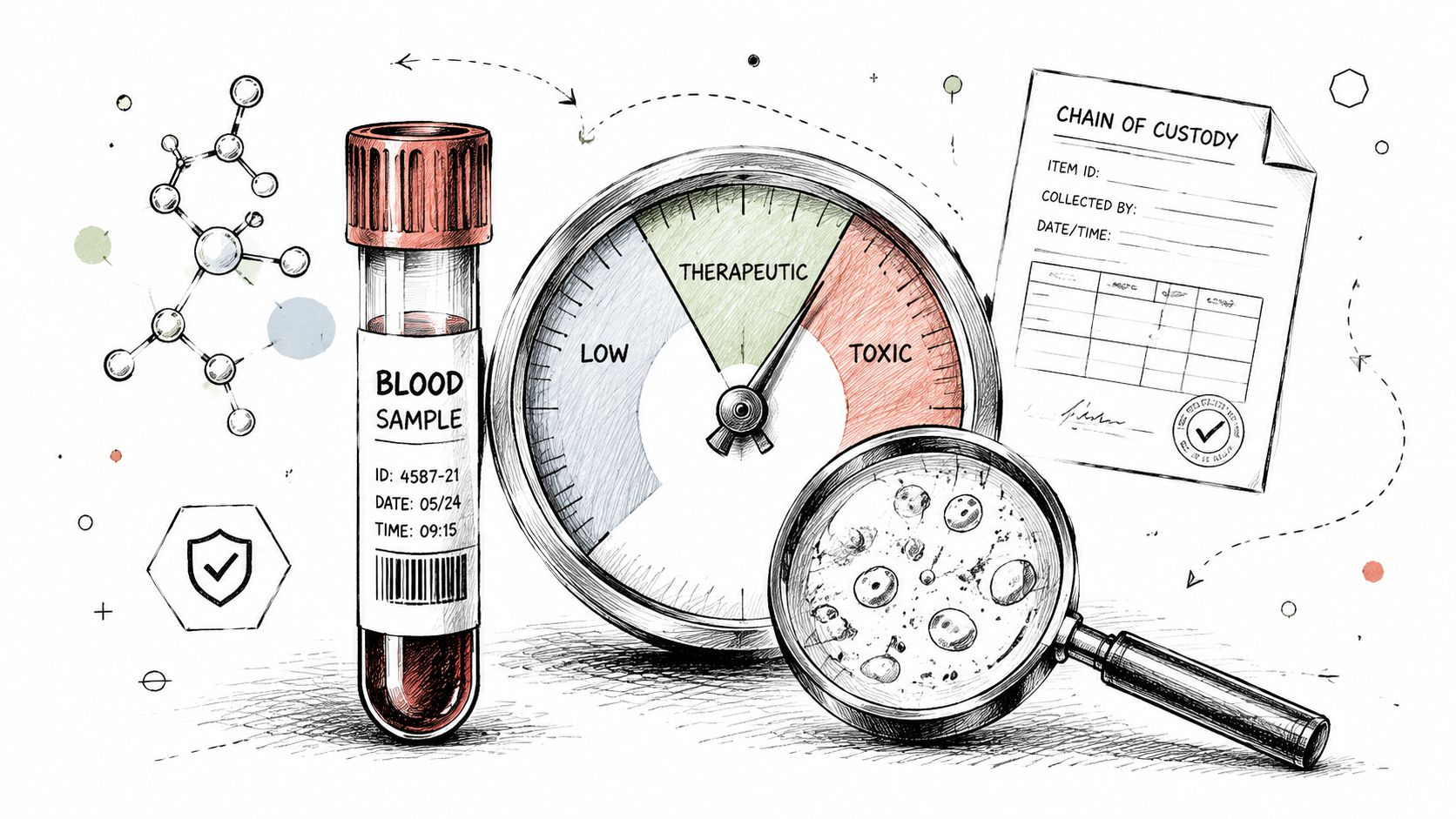
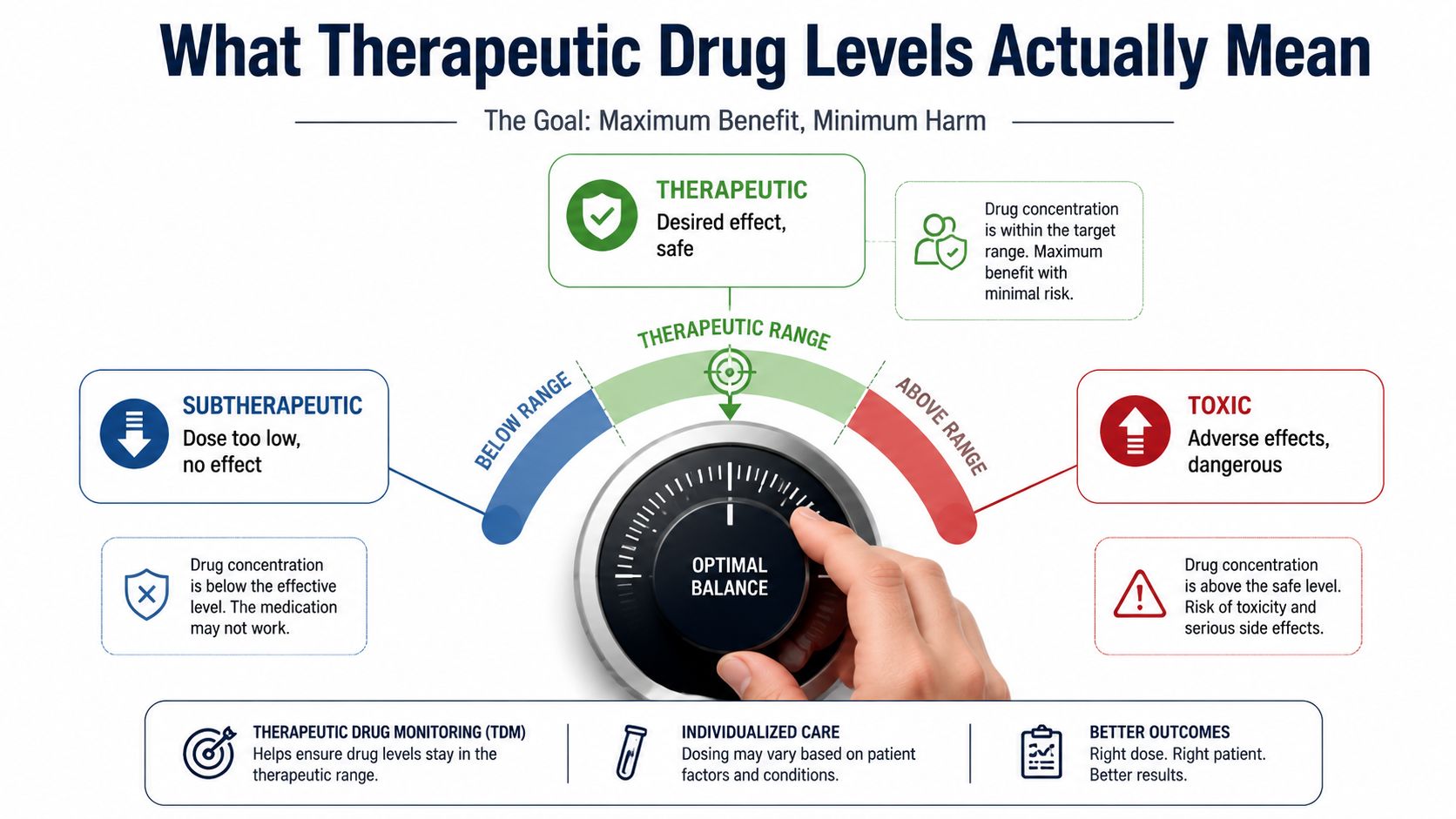
A therapeutic drug level is the concentration of a medication in blood, plasma, or serum that generally produces the intended effect without unacceptable toxicity for most patients. “Therapeutic” describes a reference window, not a guarantee about what occurred in one particular body.
A thermostat offers a useful comparison. A setting below the desired zone may provide too little effect. A setting above it may produce dangerous effects. The middle band is the therapeutic window, where clinicians generally expect a reasonable balance between benefit and harm. This model is especially relevant to drugs with narrow therapeutic indices, including lithium, ciclosporin, and aminophylline, as described in the therapeutic drug monitoring guidance.
Why concentration matters more than dose
A prescribed dose shows how much medication was intended to enter the body. It does not show how much reached the bloodstream or remained there. Absorption, metabolism, kidney and liver function, age, interactions, adherence, and illness can all alter the measured concentration.
Clinicians use four overlapping descriptions:
- Subtherapeutic means the concentration is below the expected target range, although the drug may still have an effect.
- Therapeutic means the concentration falls within a population-based reference window.
- Toxic means the concentration is associated with an increased risk of harmful effects.
- Lethal describes a concentration associated with death, but it is not a self-sufficient conclusion.
Patients do not respond identically. Long-term exposure may produce tolerance, while medical frailty may cause severe toxicity at a concentration that appears acceptable in a general reference table. After death, specimen location, redistribution, and other postmortem changes can further complicate interpretation.
Practical rule: A drug level is evidence to interpret with timing, physiology, clinical findings, autopsy information, and surrounding circumstances. It is not a verdict by itself.
Therapeutic drug monitoring became a formal clinical practice in the 1960s and routine in clinical laboratories by the mid-1970s, following milestones involving phenytoin and lithium. Homogeneous immunoassays made measurement faster and more practical, helping establish therapeutic ranges as a standard tool for selected medications, according to this historical review of therapeutic drug monitoring.
How Samples Are Collected, Tested, and Reported
A therapeutic drug result starts with the collection plan, not the laboratory instrument. For a living patient, the clinician records the medication, dose, formulation, dosing schedule, and time of the last dose. Blood is generally collected after the drug reaches steady state, often after several half-lives. A sample drawn just before the next dose can represent the trough concentration, the lower point in that dosing interval.
The draw time and dose time belong beside the result. Without them, even an analytically accurate number may be difficult to interpret. A trough can reduce confusion caused by peak-related variation, but it does not make the result self-explanatory.
Postmortem collection uses more than one specimen
During an autopsy, Texas Autopsy Services may evaluate central and peripheral blood, including heart or aortic blood and femoral blood. The examination may also include vitreous humor, urine, bile, liver, gastric contents, hair, or nail material. These specimens answer different questions about absorption, distribution, metabolism, and changes after death. A concentration in femoral blood, for example, may not carry the same interpretive meaning as a concentration in central blood.
Technicians document the specimen type, collection site, collection time, identifiers, and condition. Containers are sealed and transferred through a documented chain of custody. This record identifies who collected, handled, stored, transported, and received the evidence, helping establish that the tested specimen is the one collected during the examination.
Attorneys reviewing a death investigation may need the medication list, prescription instructions, indication, laboratory trends, and administration history. A medical record retrieval guide can help organize those records before toxicology is assessed.
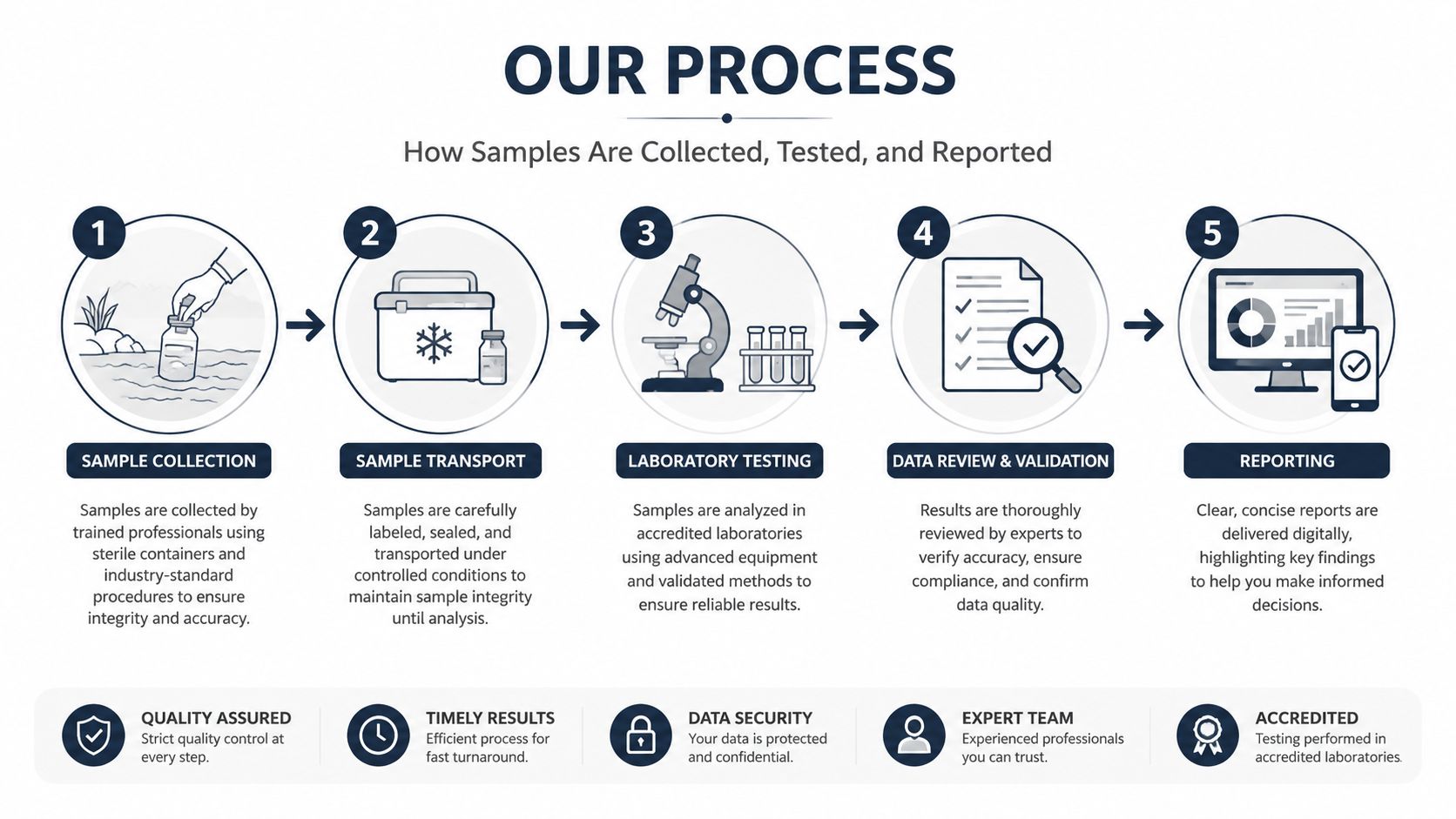
Laboratories may begin with immunoassay screening and then use confirmatory, quantitative methods such as liquid chromatography with tandem mass spectrometry, or LC-MS/MS, and high-performance liquid chromatography, or HPLC. These methods compare the specimen signal with calibrated standards and report a measured concentration in a defined matrix.
A useful report identifies the analyte, concentration, specimen matrix, analytical method, limit of detection, and interpretive limitations. After death, those details matter because redistribution, specimen location, and decomposition can affect how a number relates to the concentration during life. A “therapeutic” result on a toxicology report therefore does not prove that the drug was therapeutic at the time of death.
For a related explanation of specimen testing and its limits in death investigations, see toxicology testing and what it can show.
Common Therapeutic Ranges by Drug Class
Drug-specific ranges can help readers understand why a laboratory report uses a particular reference interval. They shouldn't be treated as universal cutoffs. Common clinical benchmark ranges include digoxin 0.8 to 2.0 ng/mL, carbamazepine 4 to 12 mcg/mL, and phenytoin 10 to 20 mcg/mL, according to MedlinePlus information on therapeutic drug levels.
The table below is a compact reference guide. It isn't a diagnostic tool, and several requested drugs do not have a single universally applicable therapeutic plasma range for every indication, formulation, or clinical setting. A report may use a laboratory-specific interval, a treatment-specific target, or an exposure-based approach instead.
| Drug / Class | Typical Therapeutic Range |
|---|---|
| Lithium, mood stabilizer | Laboratory and indication specific |
| Valproic acid, anticonvulsant | Laboratory and indication specific |
| Carbamazepine, anticonvulsant | 4 to 12 mcg/mL |
| Phenytoin, anticonvulsant | 10 to 20 mcg/mL |
| Digoxin, cardiac glycoside | 0.8 to 2.0 ng/mL |
| Theophylline, bronchodilator | Laboratory and indication specific |
| Methotrexate, antimetabolite | Timing and treatment protocol specific |
| Acetaminophen, analgesic | No single therapeutic postmortem cutoff |
| Salicylates, analgesic class | Clinical interpretation depends on concentration and context |
| Tricyclic antidepressants | Drug and assay specific |
Why the units and specimen matter
A value expressed in mg/L isn't automatically interchangeable with one reported in mcg/mL or mmol/L. The analyte, matrix, assay, unit, collection time, and laboratory reference interval must be read together. Even within one drug, peak and trough samples may answer different questions.
Aminoglycosides illustrate the point. The UCSF pharmacology guide explains that a concentration drawn after a dose typically represents a peak and gives amikacin targets of 20 to 30 mg/L, with collection timing tied to the infusion or injection route. Vancomycin references can use different low and high reference values for trough and peak, including trough values of 5 and 10 mcg/mL and peak values of 20 and 40 mcg/mL, with critical high values of 30 mcg/mL for trough and 80 mcg/mL for peak in the MSD Manual's table of therapeutic drug monitoring laboratory reference ranges.
Modern guidance is also moving beyond a simple concentration cutoff in some settings. For vancomycin, a 2025 review describes trough targets commonly cited at 10 to 20 mg/L, while AUC-based dosing is recommended around 400 to 700 mg/L/24 h, with disagreement across guidelines and limited adoption of AUC monitoring, as discussed in this review of vancomycin monitoring. That distinction matters because exposure over time may predict treatment response or toxicity better than one isolated blood concentration.
What Can Push a Level Up or Down
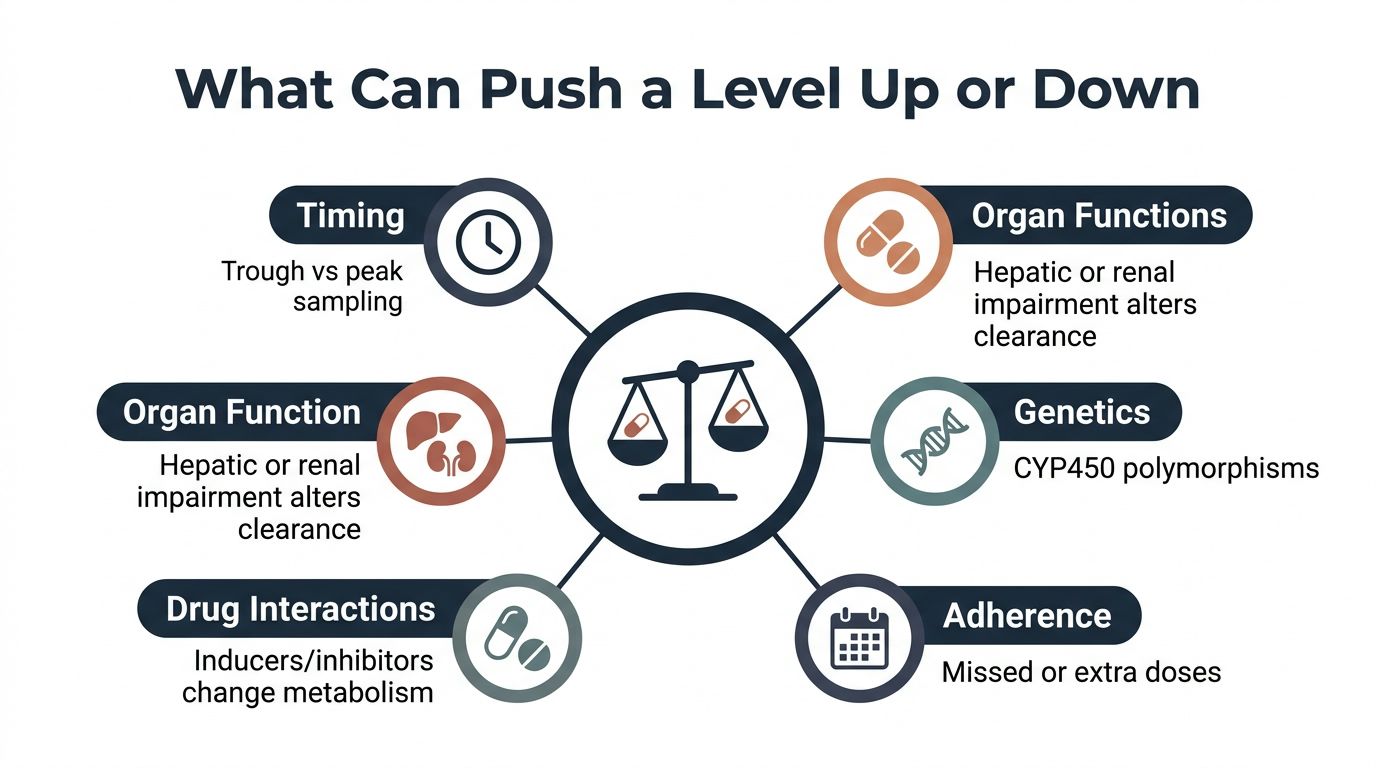
A patient can take the prescribed dose and still produce an unexpectedly high or low result. The first question is often timing. If blood is drawn soon after administration, the concentration may reflect a peak rather than a trough. If the patient has not reached steady state, the result may not represent the usual exposure expected during ongoing treatment.
A second issue is clearance. The liver metabolizes many drugs, while the kidneys remove many medications and metabolites. Liver disease, kidney impairment, age-related physiological changes, acute illness, and dehydration can alter clearance without any change in the prescription.
Interactions and inherited differences
Drug interactions can change metabolism at enzyme systems such as the cytochrome P450 family. An inhibitor can slow metabolism and raise exposure. An inducer can increase metabolism and lower exposure. For example, a person taking fluoxetine who adds fluconazole may experience a rise in concentrations of affected medications, depending on the complete medication list and the metabolic pathways involved.
Genetic variation can also affect metabolism. The same dose may produce different concentrations in people with different enzyme activity. Missed doses, extra doses, changes in formulation, vomiting, malabsorption, and inaccurate medication histories add further uncertainty.
Interpretive point: A different concentration doesn't automatically indicate a dosing error. It may reflect sampling, clearance, interaction, adherence, or biological variation.
Postmortem changes
After death, the body no longer maintains circulation, metabolism, and fluid balance in the same way. Autolysis can alter tissues and membranes. Drug can diffuse from gastric contents into nearby organs or vessels. Changes in protein binding can alter where a drug is located and how it partitions between specimens.
Postmortem redistribution can raise or lower a measured concentration independently of the premortem state. A central blood value may not represent the concentration circulating before death, particularly for drugs that are lipophilic, highly protein-bound, or widely distributed into organs. For that reason, a claim that a decedent's central blood acetaminophen concentration “doubled” compared with femoral blood would require actual paired measurements from that case. Without those measurements, the scientifically accurate statement is that concentrations may differ by collection site.
Recent guidance also emphasizes that target ranges are increasingly revised by indication, age, comorbidity, and sampling method. A neuropsychiatric drug guideline expanded to 160 reference ranges, including 30 newly included and 88 revised drugs, illustrating why older online tables can be incomplete or misleading. The updated consensus guidance on therapeutic drug monitoring also highlights the importance of steady-state sampling and accurate documentation of dose and collection time.
Clinical Versus Postmortem Interpretation
The same numerical concentration can carry different meaning in a living patient and a decedent. In clinical therapeutic drug monitoring, the result may guide a dose adjustment. The clinician considers whether the sample was a trough, whether steady state had been reached, whether the patient took the medication as directed, and whether organ function changed.
In a forensic investigation, the pathologist asks a broader set of questions. Was the concentration measured in peripheral or central blood? Could postmortem redistribution have affected it? Did the person have chronic tolerance? Were other drugs present? Do the autopsy findings, scene evidence, medical records, and circumstances support a drug-related mechanism?
| Variable | Clinical TDM Reading | Postmortem Reading |
|---|---|---|
| Sampling site | Usually a controlled blood or plasma specimen | Site-specific blood and other matrices may show different concentrations |
| Timing | Dose time and trough or peak timing guide interpretation | Time of death and postmortem interval may be uncertain |
| Physiological state | Living organ function and symptoms are available | Organ function before death must be reconstructed |
| Therapeutic range | Supports treatment adjustment when properly timed | Shows comparison with a reference band, not proof of safety or causation |
| Tolerance | Considered through treatment history and clinical response | May explain why a person tolerated a concentration that could affect another person |
| Final conclusion | Helps balance efficacy and toxicity | Must be integrated with cause and manner of death analysis |
Three examples of the same principle
For an antiepileptic, a concentration inside the reference range may support medication adherence or expected exposure. It doesn't show whether a seizure occurred, whether the drug prevented the seizure, or whether the drug caused death.
For a stimulant, a reported concentration may be described as therapeutic, high, or toxic according to the applicable reference data. That label doesn't independently establish the person's symptoms, tolerance, combination-drug effects, or physiological response.
For an opioid, a “within range” result may describe only the measured concentration in a particular postmortem specimen. Centrally distributed and lipophilic drugs can be affected by redistribution, so the result must be interpreted with specimen site, autopsy findings, and the complete toxicology profile. The postmortem toxicology discussion provides additional context for that forensic distinction.
How Texas Autopsy Services Handles Toxicology
Our team treats a toxicology number as one part of a documented forensic examination. Every examination is performed by a forensic pathologist certified by the American Board of Pathology, and specimen interpretation is connected to the autopsy findings, medical records, investigative materials, and circumstances of death.
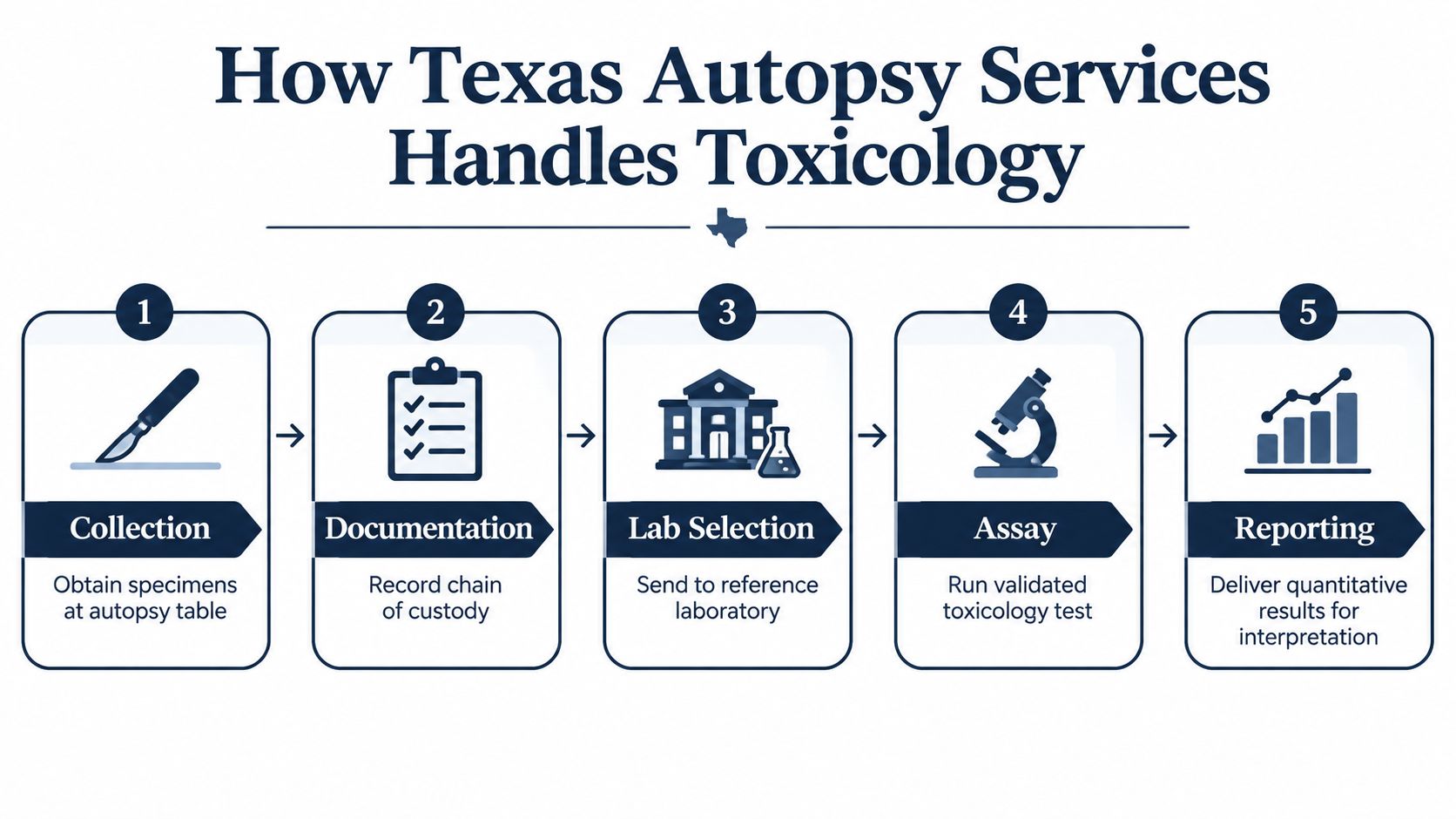
The workflow begins at the autopsy table. Depending on the case, our team may collect central and peripheral blood, vitreous humor, urine, bile, liver, gastric contents, and hair or nail material when relevant. The collection site and specimen identity are recorded because a concentration in femoral blood may have a different interpretive value from a concentration in heart blood.
Documentation protects the evidence
Each container is sealed, labeled, and transferred through documented custody. The record identifies the people handling the specimen, the transfer points, and the storage or transport conditions. This is the practical meaning of chain of custody, and it allows families, attorneys, agencies, and courts to evaluate whether the evidence was handled consistently.
The specimens are sent to an appropriate reference laboratory for validated toxicology testing. Depending on the substance and question, testing may include screening, confirmation, and quantitative analysis using methods such as LC-MS/MS or HPLC. Our laboratory analysis services are part of the broader process of connecting laboratory findings to a forensic report.
The final report should identify the method, limit of detection, measured concentration, specimen matrix, and applicable therapeutic or toxicological reference information. It should also explain limitations, including possible redistribution, incomplete medication history, uncertain timing, or the presence of multiple substances.
Most cases are completed within 24 to 48 hours, although the toxicology component may require more time when specialized testing, confirmatory analysis, outside records, or complex interpretation is necessary. We don't promise a uniform timeline because the scope of testing and the condition of the specimens vary.
The practice provides private autopsy services across all 254 Texas counties, with in-house licensed transport and direct communication with the team. Families and attorneys can also request a second-opinion autopsy review when an existing report or toxicology result leaves important questions unresolved.
Common Misconceptions About Toxicology Results
Myth and reality
Myth: An in-range result proves the drug was safe.
Reality: A therapeutic range describes concentrations commonly observed in a population. It does not show that the person avoided an adverse reaction, interaction, impairment, or drug-related complication.
Myth: A high result proves the drug caused death.
Reality: A high concentration needs context. Tolerance, postmortem redistribution, specimen site, multiple substances, disease, and the mechanism of death can all affect interpretation. A number on a toxicology report is one piece of evidence, not a standalone cause-of-death finding.
Myth: “Detected” means “caused.”
Reality: Detection means the laboratory found an analyte above its reporting threshold. It does not establish that the substance caused the fatal event.
Myth: A negative result rules out exposure.
Reality: A negative finding in one specimen does not exclude prior exposure. The substance may have been below the detection limit, absent from the test panel, degraded, or present in another matrix.
Myth: One therapeutic range applies to every drug.
Reality: Ranges are drug-specific. Interpretation can change with indication, age, comorbidity, route, assay, and sampling method. For some medications, exposure measures such as AUC may provide more information than a single concentration.
After death, the reported concentration may not equal the concentration at the time of the fatal event. Forensic language should therefore state whether the drug was within a cited therapeutic reference range and explain whether that finding supports a causal role. “Therapeutic” describes a reference comparison, not proof that the drug was harmless.
Frequently Asked Questions for Families and Attorneys
How long does therapeutic drug testing take after an autopsy?
The overall case may be completed within 24 to 48 hours in many situations, but specialized toxicology testing, confirmation, laboratory workload, medical record review, and complex interpretation can extend the process. A specific timeline depends on the requested examination and available specimens.
What specimens may be collected?
Our team may collect central and peripheral blood, vitreous humor, urine, bile, liver, gastric contents, and hair or nail material when relevant. The collection site matters because postmortem changes can affect different matrices in different ways.
Why does the report list some drugs but not others?
A laboratory panel may not include every medication or novel substance. Some compounds require targeted testing, while others may fall below the method's detection limit or degrade before collection. The report should identify the methods and limitations that apply.
How are therapeutic ranges selected?
The interpreting team considers drug-specific clinical references, the assay, units, specimen matrix, route, indication, and collection timing. Current guidance emphasizes that ranges can be revised by indication, age, comorbidity, and whether the result reflects a trough or another exposure measure.
What documents should accompany the result?
A defensible file should include specimen identifiers, collection information, chain-of-custody records, laboratory methods, limits of detection, measured concentrations, reference information, and interpretive commentary. Families or attorneys who need clarification can ask Texas Autopsy Services to review the methodology, specimen site, medication history, and relationship between toxicology and the cause-of-death opinion.
Texas Autopsy Services provides independent autopsy and forensic pathology services for families, attorneys, healthcare professionals, and Texas counties, including toxicology-focused reviews and second opinions. Please visit Texas Autopsy Services to contact our team about chain of custody, therapeutic drug levels, laboratory methodology, or the interpretation of a postmortem toxicology report.